Bratislava vs Prague vs Budapest: which city should you visit?
Should I visit Bratislava, Prague or Budapest?
All three cities are worth visiting and combine naturally into one trip. Prague has the grandest medieval architecture; Budapest has thermal baths and scale; Bratislava is the smallest, cheapest and least crowded — ideal for 1-2 days and uniquely positioned between Vienna and Budapest.
Central Europe’s three most visited capitals — Bratislava, Prague, and Budapest — sit within a triangle compact enough to visit all three by train without a single flight. They share a common history under Habsburg rule, an architectural grammar of Baroque squares and Gothic spires, and a reputation for being among Europe’s better-value city-break destinations. But they differ enormously in scale, atmosphere, and what they do best. If you are trying to decide which to prioritize, or planning a route that strings them together, this guide walks through the honest comparison.
| At a glance | |
|---|---|
| Where | A triangle: Bratislava–Budapest 200 km, Bratislava–Prague 330 km, Bratislava–Vienna 80 km |
| Cost | Bratislava cheapest overall; Budapest mid; Prague’s tourist centre priciest |
| Time needed | 1–2 nights Bratislava, 3–4 nights Prague or Budapest each |
| Getting there | Direct trains between all cities; no flights needed for the circuit |
| Best time | Late spring (May–June) or early autumn (September–October) |
| City | Best for |
| Bratislava | Compact walkability, wine country, low crowds |
| Prague | Architecture, historical density, nightlife variety |
| Budapest | Thermal baths, scale, ruin bars |
The geography: why these three cities belong in one trip
The distances are what make a combined circuit genuinely practical. Bratislava to Budapest is 200 km — roughly two and a half hours by Railjet or Eurocity train, with tickets from around €15-30. Bratislava to Prague is 330 km, about four hours by RegioJet or ÖBB with fares from €20-40. Vienna sits just 80 km from Bratislava, making it the easiest day trip from the Slovak capital and a natural fourth stop in any extended itinerary.
The classic route — Vienna, Bratislava, Budapest — uses no flights, crosses three countries, and can be done comfortably in six nights with two nights in each city. Add Prague at either end if your schedule allows ten to fourteen days. All four cities are connected by direct trains, RegioJet often offers the best prices on the Prague and Vienna routes, and rail passes can be cost-effective for the full circuit. The trains to Vienna, Budapest and Prague guide covers ticketing options in detail.
For a condensed version, the Danube Capitals itinerary covers the Vienna–Bratislava–Budapest circuit in six to eight nights and is probably the most popular structured approach for first-time visitors to the region.
Bratislava vs Prague: the smaller capital vs the golden city
What Prague does better
Prague is, by most objective measures, more spectacular. Its medieval Old Town is one of the best-preserved in Europe, with a density of architectural set-pieces — the Týn Church’s Gothic spires, the Baroque dome of St Nicholas, the Astronomical Clock on the Old Town Square — that Bratislava’s old centre simply cannot match. Charles Bridge, the 14th-century stone crossing bristling with Baroque statues, is genuinely iconic; the view from its midpoint in morning mist has been photographed tens of millions of times and still earns it.
Prague Castle — technically Hradčany, a castle district rather than a single fortress — covers 70,000 square metres and is the largest ancient castle complex in the world by area. It contains St Vitus Cathedral, three palaces, a Baroque riding school, and gardens that alone take an hour to walk. The Jewish Quarter, Josefov, preserves six synagogues and the Old Jewish Cemetery in a state of remarkable completeness, considerably more intact than anything equivalent in Bratislava.
For nightlife, Prague has distinct neighbourhood scenes — Žižkov, Vinohrady, Holešovice — that sustain evenings far beyond the tourist centre. The Vltava river offers boat trips that put the city’s bridges in a different perspective. And Prague’s international transport connections are vastly better: Václav Havel Airport receives direct flights from most of Europe, making it the natural entry point to the region.
If you have three or four days and architecture is your priority, Prague is the more rewarding destination. The historical density justifies extended exploration in a way that Bratislava, honest about its size, does not.
What Bratislava does better
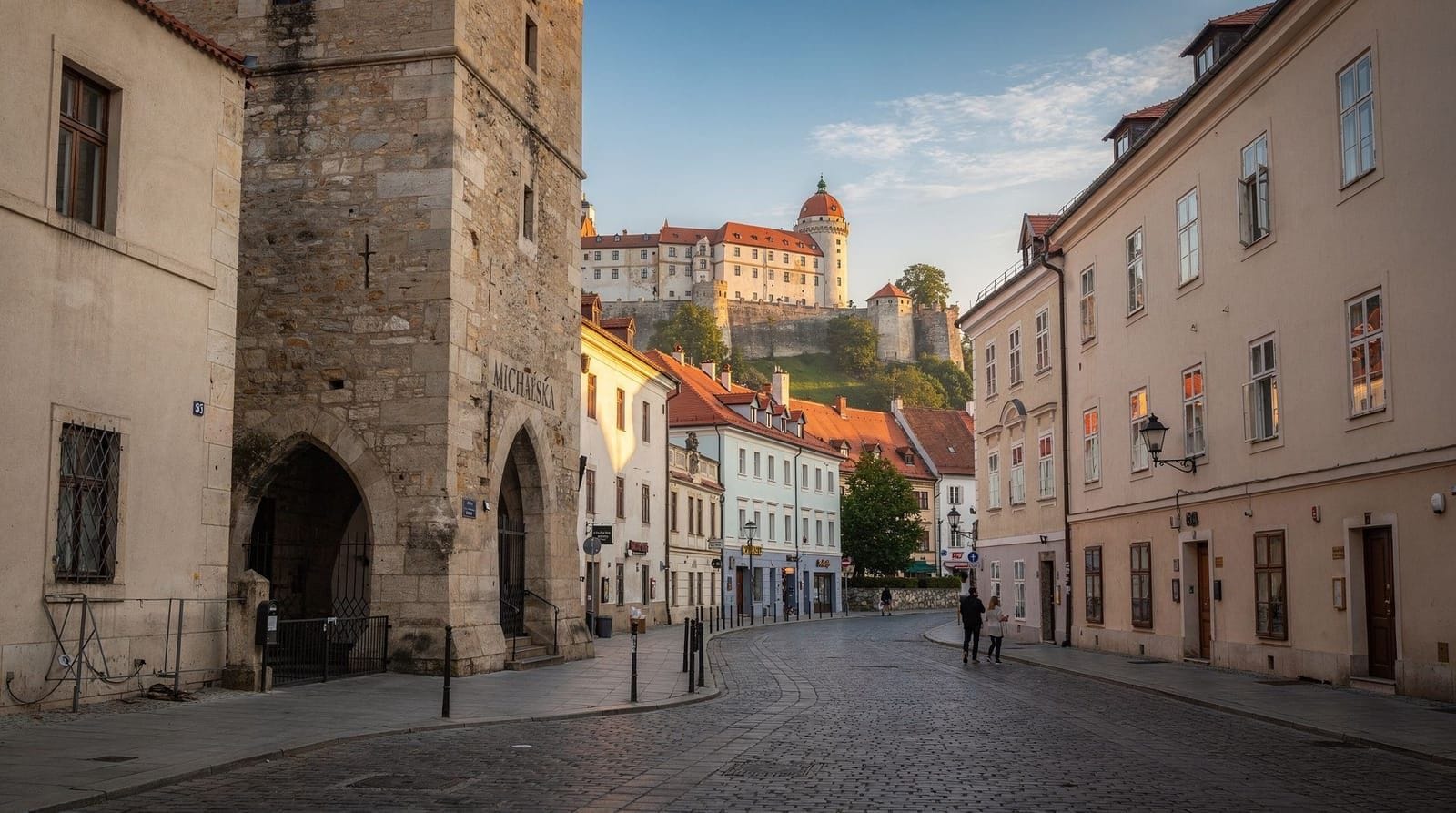
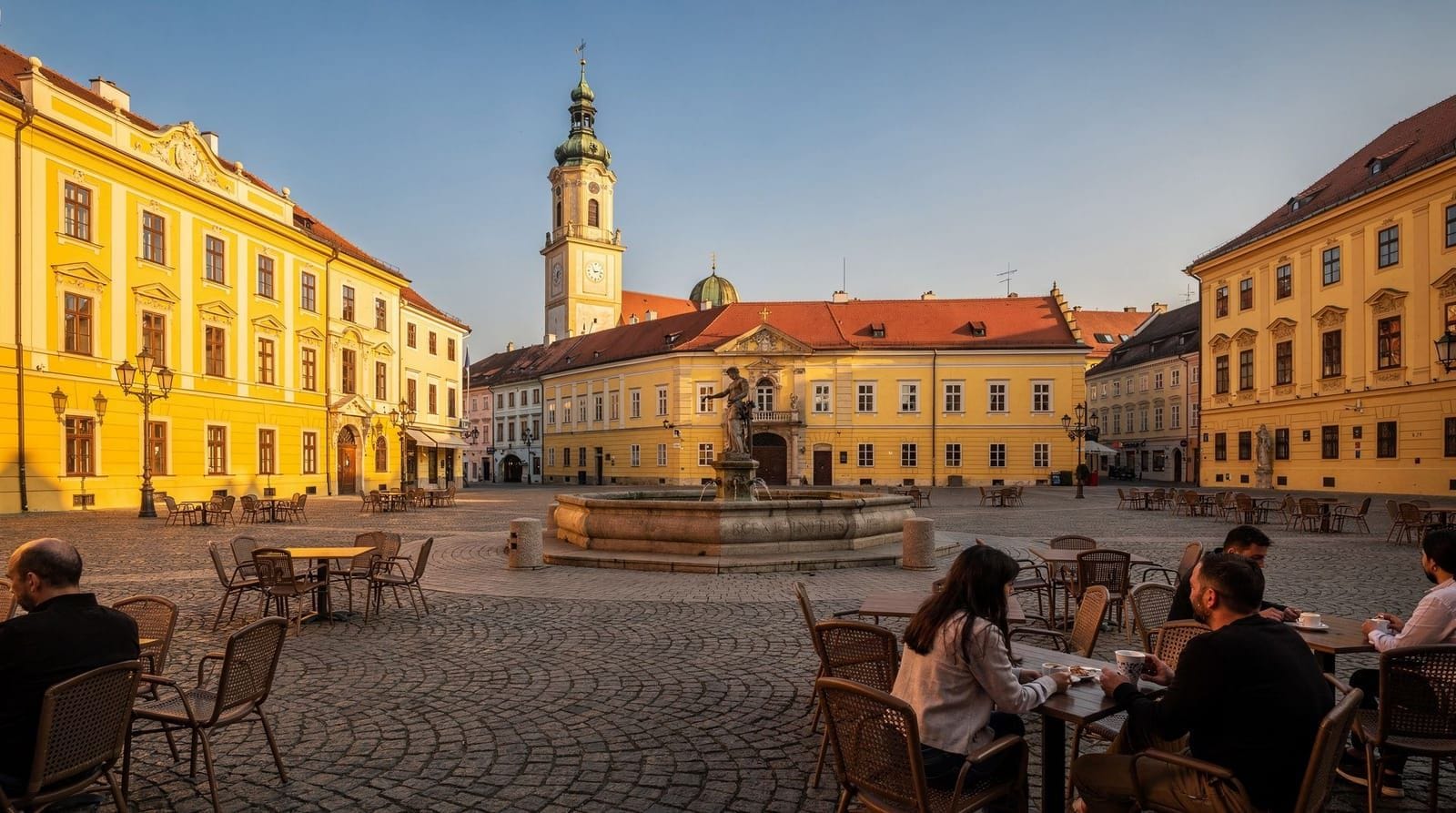
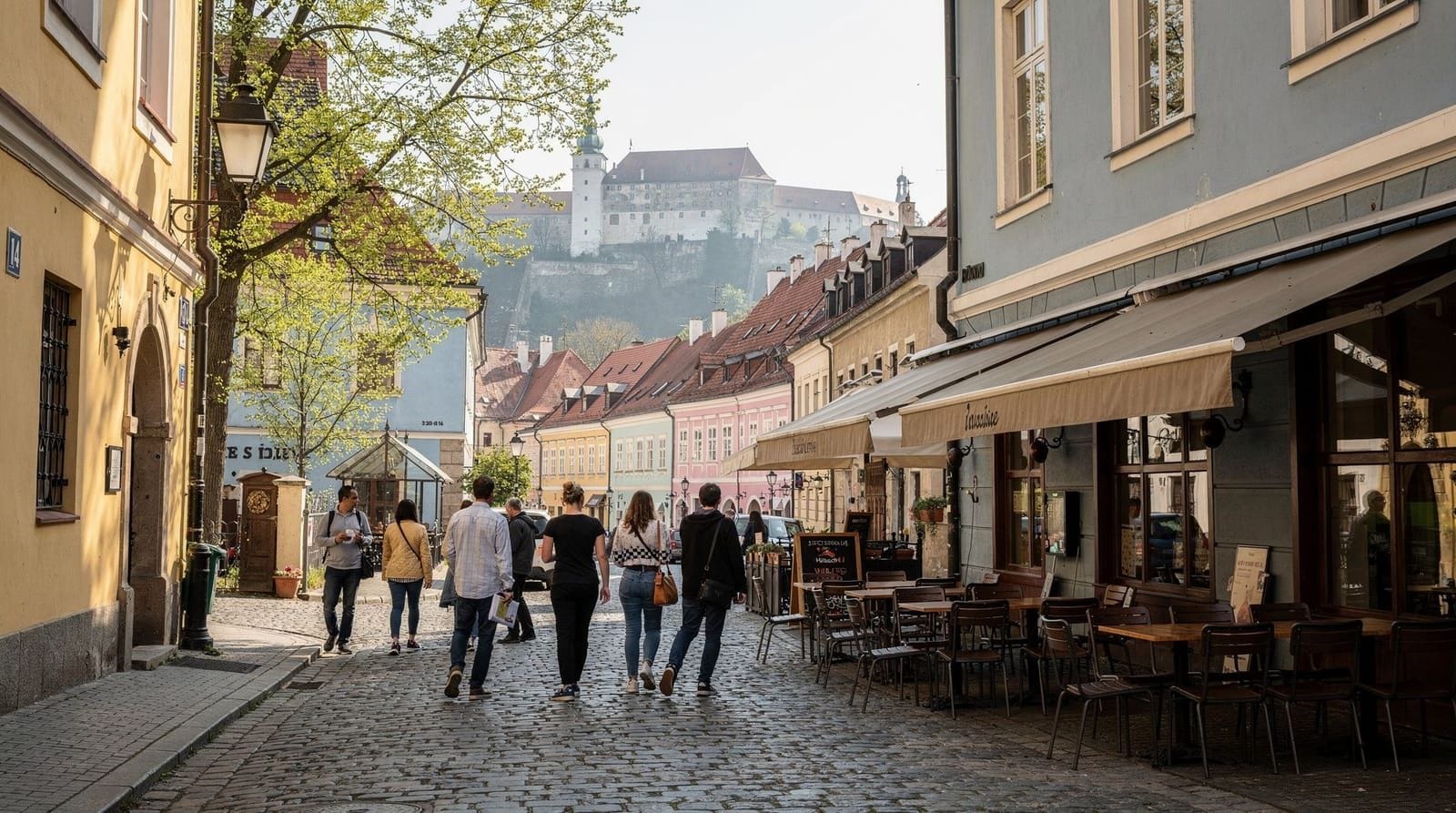
The comparison shifts once you factor in the experience of actually being in each city. Prague’s Old Town receives several million tourists a year; at peak times, Charles Bridge is difficult to cross comfortably and the Old Town Square is so densely packed that it becomes more endurance than pleasure. Bratislava’s Main Square, Hlavné námestie, has no equivalent traffic. On a Tuesday morning in summer you can photograph the Roland Fountain without a queue, sit on a terrace without fighting for a table, and walk Michael’s Gate to Bratislava Castle in a loop that takes two hours at a leisurely pace and costs you almost nothing in entry fees.
The price differential is real. A half-litre of beer costs roughly €2-3 in Bratislava versus €3-5 in central Prague. Restaurant meals follow similar proportions. Accommodation in Bratislava runs noticeably cheaper for equivalent quality, and budget travellers can eat, drink, and get around Bratislava at a daily cost that Prague cannot match.
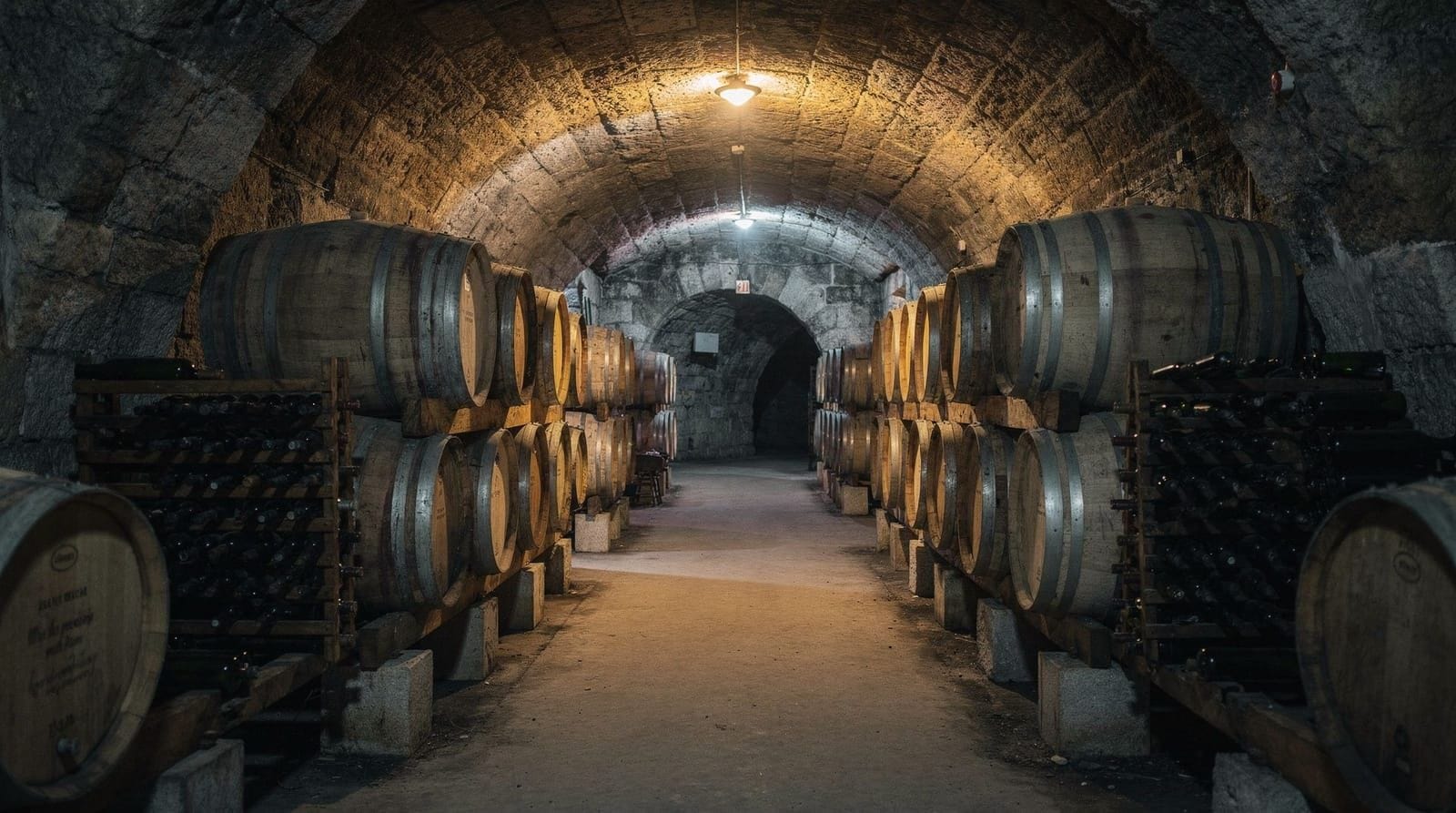
Bratislava’s geographical position gives it something Prague lacks entirely: proximity to wine. The Small Carpathians wine region begins at the northern edge of the city — you can cycle into the vineyards in half an hour. Riesling, Grüner Veltliner, and Welschriesling grown on south-facing slopes above Pezinok and Modra are poured in the Old Town’s wine bars by the glass. Prague’s nearest equivalent wine country is Moravia, over two hours away by train. If the Small Carpathians wine route interests you, Bratislava is the only sensible base.
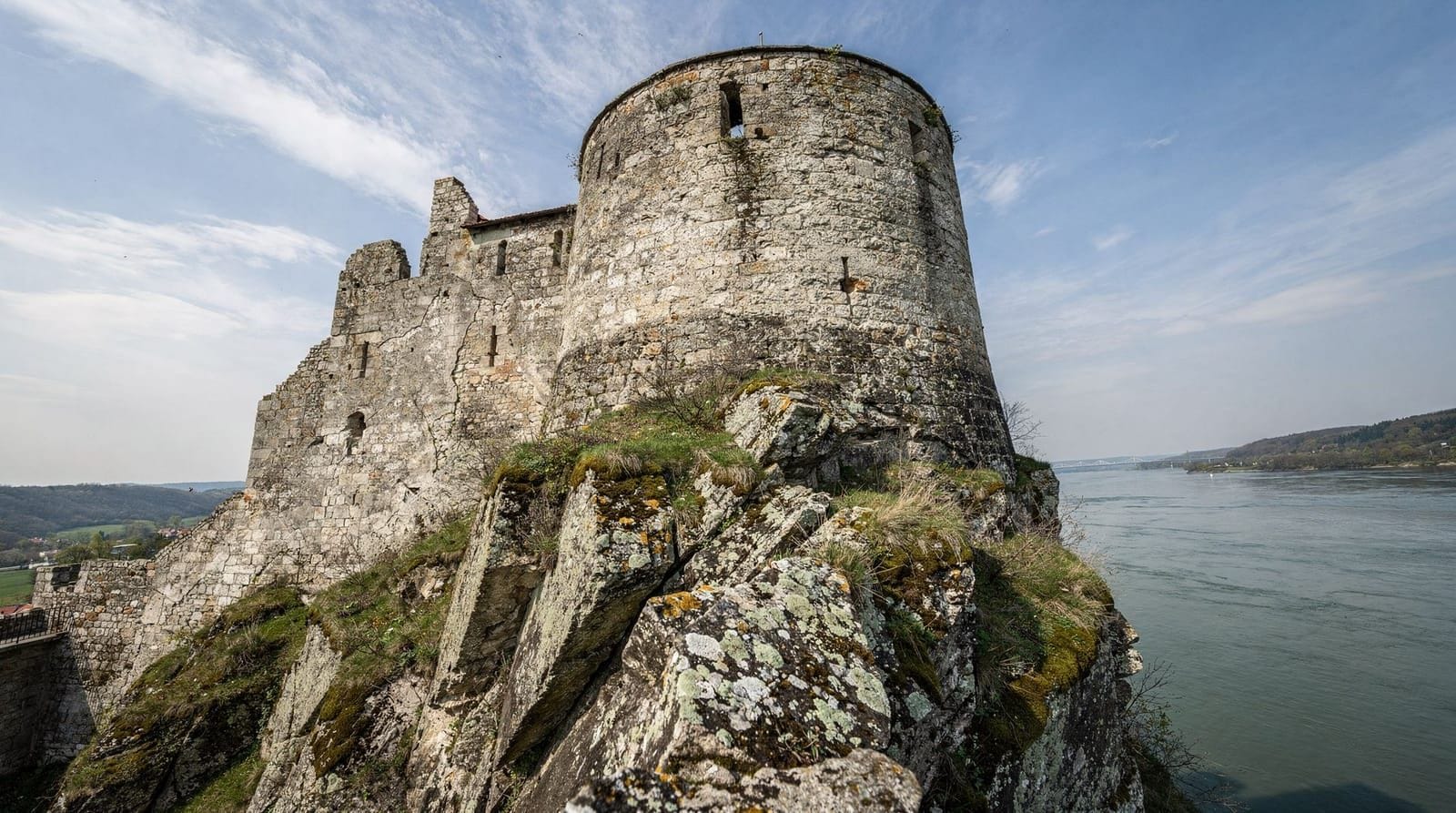
Devín Castle also offers something qualitatively different from Prague Castle. Situated on a rock at the confluence of the Danube and the Morava — where the Iron Curtain once ran along the river’s far bank — the ruins carry a layered historical resonance that Prague’s perfectly maintained Hradčany, for all its grandeur, cannot replicate. The communist and Iron Curtain history of Bratislava is present and legible in a way that gives the city genuine depth beyond its compact old town.
GetYourGuideBratislava city walking tourCheck availability →Who should choose Prague over Bratislava
Choose Prague if you have five or more days in Central Europe and want to maximise historical and architectural density. Choose Prague if you are travelling with a group that prioritises nightlife, a wide restaurant scene, or a large Jewish heritage site. Choose Prague if you are flying into the region and need a hub with strong international connections.
Choose Bratislava if you want two days of genuine urban atmosphere without tourist crowds, if you are already based in Vienna, if wine interests you more than beer, or if you want to add a stop that most of your friends have not done yet. Bratislava and Prague are not competitors in any realistic sense — they serve different parts of the Central European experience, and doing both in the same trip is very achievable.
Bratislava vs Budapest: the quiet capital vs the grand river city
What Budapest does better
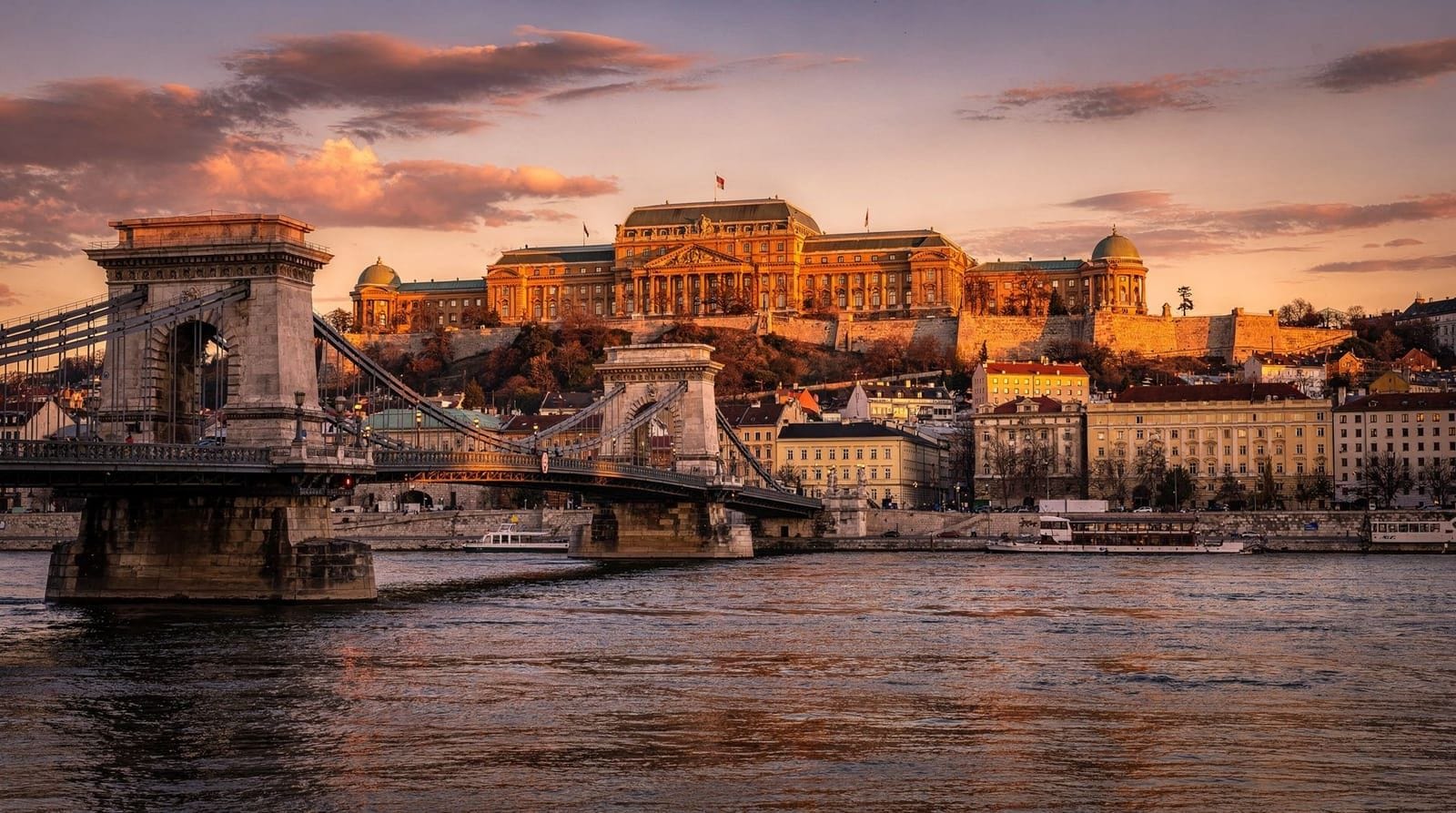
Budapest is a major European city of 1.7 million people, and it shows. The Hungarian Parliament Building — one of the most beautiful in the world, a neo-Gothic confection lit gold at night across the Danube — anchors the Pest riverfront. Buda Castle rises on the hill opposite with Fisherman’s Bastion providing a panoramic terrace above the city. Chain Bridge, the 19th-century stone suspension bridge connecting Buda and Pest, anchors a river panorama that Bratislava’s SNP Bridge, striking as it is, cannot equal in grandeur.
The thermal bath culture is Budapest’s defining feature and one of the finest things to do in any European city. Széchenyi, Gellért, Rudas — these are not tourist attractions bolted onto a city; they are central to how Budapestians live. Spending three hours in Széchenyi’s outdoor pools on a winter morning, surrounded by locals playing chess in the steam, is an experience with no equivalent in Prague or Bratislava. The Budapest day trip guide covers how to fit the baths into a day from Bratislava, though honestly a single day is never quite enough.
The Jewish heritage in Budapest is significant. The Dohány Street Synagogue — the largest in Europe — sits in a Jewish Quarter that also contains the Emmanuel Tree memorial garden and a dense concentration of early 20th-century architecture. Budapest’s ruin bar scene, centred on Szimpla Kert in the VII district, draws visitors specifically for it: repurposed derelict buildings turned into sprawling multi-room bars with mismatched furniture and an atmosphere entirely their own. Bratislava’s nightlife is enjoyable but operates on a different scale.
For a guided excursion that covers the major landmarks, a day trip from Bratislava to Budapest is one of the most popular options in the region.
GetYourGuideBratislava to Budapest day tripCheck availability →What Bratislava does better
The comparison here is less about sights and more about travel style. Budapest demands time — two full days at minimum to cover both banks of the Danube and rest long enough in a thermal bath to justify the entry fee (around €20-25 for a full day at Széchenyi). Bratislava’s entire old town is walkable in a morning, which makes it a more forgiving destination for short visits, weekend breaks, or travellers who find navigating a large city tiring.
The practical geography is also different. Budapest is two distinct cities — Buda and Pest — joined by a chain of bridges, with a metro and tram network you genuinely need to navigate. Bratislava is a single walkable core. Getting from Michael’s Gate to Bratislava Castle to St Martin’s Cathedral to the UFO Observation Deck involves no public transport. For travellers who prefer urban exploration on foot, Bratislava is simply more comfortable.
Bratislava’s proximity to Vienna remains its structural advantage. No other city in Europe sits 80 km from a capital of Vienna’s stature. That positioning shapes what Bratislava is: a city that spent centuries as the second capital of the Habsburg Empire, left with palaces and a cathedral that punches well above its current population of 475,000, and now offers a genuinely authentic urban experience without the infrastructure of mass tourism around it. The Vienna day trip guide works equally in reverse — Bratislava is the most accessible day trip from Vienna, a fact that Austrian visitors have long understood.
For the Devín Castle day trip, the Iron Curtain history along the Morava River, and the Small Carpathians hiking that begins at the city’s edge, Budapest offers no comparable landscape within similar range.
GetYourGuideBudapest highlights guided tourCheck availability →The triple combination: planning a Danube capitals circuit
The Vienna–Bratislava–Budapest circuit is the most natural structure for a first Central European trip. Six nights — two per city — gives enough time to absorb each place without rushing. The route works in either direction; westbound (Budapest → Bratislava → Vienna) is slightly more natural if you are flying home from Vienna’s airport, which offers excellent connections across Europe.
A ten-to-fourteen-day trip can reasonably add Prague at either end. The sequence Vienna → Bratislava → Budapest → (overnight train or flight) → Prague works well and builds in a long-weekend structure for each leg. Alternatively, starting in Prague and moving southeast through Bratislava to Budapest lets you end somewhere warm in the Hungarian summer.
The Danube Capitals itinerary covers the Vienna–Bratislava–Budapest leg in detail with day-by-day suggestions. For the Bratislava section alone, the three-day Bratislava itinerary structures exactly what to see if you are using the city as a proper stop rather than a quick transit.
Budget considerations for the circuit
Bratislava is the cheapest base in the triangle. Accommodation, meals, and drinks all run lower than in Budapest, which in turn tends to be cheaper than Prague’s tourist-heavy centre. If budget is a factor, basing yourself in Bratislava and taking day trips to Budapest and Vienna keeps accommodation costs low while still seeing all three cities. Bratislava to Budapest by RegioJet or FlixBus costs as little as €5-10 booked in advance; Vienna by train is around €10-15 return.
The Bratislava City Card covers public transport and museum entry for one or two days and pays for itself easily if you are visiting the castle, Devín, and a couple of galleries.
GetYourGuideBratislava city and castle tourCheck availability →Who should go where: a practical guide
First-time Central European visitor with 10 or more days: Do all three — Prague, Bratislava, and Budapest — plus Vienna if schedule allows. Each city is distinct enough to warrant its own stay, and the region rewards a longer circuit more than any single destination does.
Short break of 3-4 days: Vienna plus Bratislava, or Bratislava plus Budapest. Both are easy two-city combinations by train and feel very different from each other. Prague alone also works for a 3-day city break but requires a separate journey to reach.
Architecture lovers: Prague has the grandest architectural ensemble, but the Bratislava–Vienna axis — Baroque palaces, the coronation cathedral, the Blue Church’s art nouveau singularity — is a coherent secondary narrative. The Slovak National Museum and Gallery holds collections that surprise most visitors.
Wine over beer: Bratislava wins this comparison decisively. The Small Carpathians wine weekend from Bratislava, visiting Pezinok and Modra wineries, is a specialist itinerary with no equivalent near Prague or Budapest. The St Martin’s Wine Harvest festival in November adds a seasonal reason to visit Bratislava specifically.
Thermal spa experience: Budapest wins without contest. Plan at least two nights to do it justice — one for the baths, one for the ruin bars and the riverfront.
Party and nightlife: Budapest is Central Europe’s party city, with a scale and variety of bar culture that Bratislava and Prague both fall short of. Prague is second. Bratislava’s nightlife guide covers a pleasant but smaller scene centred on the Old Town and the riverfront.
Travelling with children: Bratislava’s walkability and compact scale make it one of the most manageable Central European capitals with kids. The family activities guide and Bratislava with kids cover the practical options. Budapest’s thermal baths have family sections; Prague’s tourist density can be exhausting with small children.
Budget travellers: Bratislava first, always. It is the cheapest overnight base, cheapest for meals and drinks, and positioned to day-trip Vienna and Budapest without paying for accommodation in either. The budget guide covers how to do Bratislava for under €60 per day including accommodation.
Day trippers from Vienna: Bratislava is the obvious and easiest day trip from Vienna — 80 km, one hour by train, direct services every hour. Budapest is also doable from Vienna as a day trip (under three hours by Railjet) but long. Prague from Vienna is a full day’s travel each way and barely justifies a day trip structure. The Danube cruise to Vienna adds a scenic alternative for the Bratislava–Vienna route in summer, though the Twin City Liner is faster.
Getting between the three cities
Bratislava to Budapest: Railjet and Eurocity trains run several times daily, 2h30, from around €15-30. RegioJet buses are similarly priced and comfortable. In summer, the Twin City Liner boat service runs a scenic river route — check schedules as it takes around five hours and runs seasonally.
Bratislava to Prague: RegioJet trains run daily in around four hours, €20-40. ÖBB Nightjet overnight services also connect Prague and Vienna via Bratislava, useful if you want to save a night’s accommodation.
Bratislava to Vienna: Direct EC trains every two hours, one hour, from €10-20. The Vienna day trip guide covers the full options including the historic Schloss Hof palace route.
Budapest to Prague: No direct train — connections go via Vienna or Bratislava. This is why the triangle works better as a loop than as direct Prague–Budapest travel: routing through Bratislava turns a logistical necessity into an additional destination.
Getting the allocation right
The most common planning mistake is treating the three cities as interchangeable and splitting time evenly. They are not interchangeable, and an even split under-serves Prague and Budapest while over-serving a Bratislava stay that has already covered its highlights by the end of day two. A better default for a first circuit: two nights Bratislava, three nights Prague, three nights Budapest, adjusted up for whichever city matches your specific interests — add a night to Budapest for the baths, a night to Prague for the nightlife and museums, or a night to Bratislava if wine country or Devín Castle are priorities.
For travellers based in Vienna rather than doing the full circuit, Bratislava’s proximity changes the calculation entirely: it becomes a day trip or overnight add-on rather than a full stop, and Bratislava vs Vienna is the more relevant comparison for that itinerary shape.
Frequently asked questions about Bratislava, Prague and Budapest
Is Bratislava worth visiting if you have already been to Prague and Budapest?
Yes, and arguably more so. Visitors who know Prague and Budapest find Bratislava gives them something neither of the larger cities offers: a genuinely local central European capital without mass tourism infrastructure. The Devín Castle ruins at the Iron Curtain border, the Small Carpathians wine villages within cycling distance, and the UFO Observation Deck above a communist-era bridge are experiences that do not repeat anything you have done in Prague or Budapest. The guide Is Bratislava worth visiting? addresses this question from several angles.
How many days do you need in Bratislava compared to Prague or Budapest?
Bratislava is well-covered in one full day and excellent over two. Prague and Budapest both justify three to four nights — Prague for architectural depth, Budapest for the bath culture and scale. If you are building a circuit, allocate two nights Bratislava, three nights Prague, three nights Budapest as a baseline and adjust based on interests. The Bratislava in one day guide and weekend itinerary show what is achievable at both lengths.
Is Bratislava cheaper than Prague and Budapest?
Yes, meaningfully so. In Bratislava, a restaurant meal for two with drinks costs €25-40 in the Old Town; equivalent quality in central Prague runs €35-55 and in tourist-area Budapest €30-50. Beer in Bratislava averages €2-3 per half litre; Prague city centre charges €3-5; Budapest varies but tourists areas are similar to Prague. Accommodation in Bratislava runs around €60-100 for a mid-range double; Prague and Budapest both sit higher. Bratislava uses the euro (Slovakia joined in 2009), which simplifies budgeting if you are travelling from Western Europe.
Can you do Bratislava as a day trip from Prague or Budapest?
From Budapest, yes, comfortably — 2h30 each way leaves a full five to six hours in Bratislava, enough to walk the Old Town, visit the castle hill, and have a proper lunch. From Prague, Bratislava is a longer excursion at four hours each way, which leaves only two to three hours in the city; an overnight stay makes more sense. From Vienna, Bratislava is the easiest day trip in Central Europe — one hour each way, with services every two hours.
Which city has the best food scene: Bratislava, Prague or Budapest?
Budapest has the strongest restaurant scene by size and variety, with a well-developed fine-dining tier alongside excellent Hungarian comfort food. Prague’s restaurant scene is cosmopolitan and wide-ranging, though tourist-area quality can be inconsistent.
Bratislava’s food scene is smaller but punches above its weight: traditional Slovak food — bryndzové halušky, lokše, kapustnica — is genuinely excellent, and the best restaurants in the Old Town include a handful of places that could compete in any European city. The wine-pairing options at Bratislava’s better restaurants also benefit from that Small Carpathians proximity. The food tours available in Bratislava offer a structured introduction to the local scene.
Is the combined Bratislava–Prague–Budapest trip suitable for first-time visitors to Europe?
Yes, and it makes an excellent first Central European itinerary. All three cities have well-developed tourist infrastructure, English is widely spoken in hotels and restaurants, trains are reliable, and the historic centres are easy to navigate on foot. The circuit gives a coherent regional narrative — Habsburg history, communist legacy, post-1989 transformation — while keeping each city distinct enough that the trip never becomes repetitive. Budget at least ten days for the triangle and two additional days if adding Vienna.
What is the biggest mistake people make when combining these three cities?
Underestimating Bratislava. Most visitors allocate half a day and move on, which is enough to see the main square and form the impression that the city is small and pleasant but not substantial. Two full days — including Devín Castle, the Small Carpathians or at least an evening wine bar in the Old Town, and the communist-era architectural districts beyond the historic centre — give a very different picture. Bratislava is not a scaled-down version of Prague or Budapest; it is a distinct city with its own logic, and that logic takes a bit longer to appreciate than the first impression suggests.
When is the best time to visit all three cities together?
Late spring (May–June) and early autumn (September–October) are the best windows. Summer is busy everywhere — Budapest particularly so — and winter is cold but brings excellent Christmas markets to all three cities. For Bratislava specifically, November is exceptional because of the St Martin’s Wine Harvest and Christmas markets that follow immediately afterward. Prague and Budapest both have Christmas market seasons that draw large crowds; Bratislava’s markets are atmospheric and considerably less congested. The best time to visit Bratislava guide covers the seasonal breakdown for the Slovak capital in detail.
tours.budapest
Verified deep-linked GetYourGuide tours. Book through these links and we earn a small commission at no cost to you.