The one-hour capital hop
Vienna and Bratislava are the two closest capital cities in the world — 60 km from centre to centre. Until 1918, they were both part of the same empire. Today they sit in two different EU countries, but the border is invisible (both are Schengen), and the train between them takes about an hour. This proximity creates one of Europe’s most practical travel combinations: stay in Bratislava, where accommodation costs half what Vienna charges, and take the train to Vienna for the day.
This page is specifically about doing Vienna as a day trip from Bratislava — the logistics, what you can realistically see, and how to approach a city that deserves much more than a day. It is not a full Vienna guide. Vienna is extraordinary, and it rewards multiple days, multiple trips. What follows is a practical guide to getting there, orienting yourself, and making good choices when you have 7–9 hours.
If you have not yet explored the Slovak side, it helps to read about Bratislava first, then decide how many of your days go to Vienna. The old town walking guide and the Bratislava in one day guide show what to keep for the days you spend at home base, so the Vienna outing does not eat into the best of Bratislava.
GetYourGuideBratislava with a local: private tour from ViennaCheck availability →Getting from Bratislava to Vienna
By train (recommended)
The most straightforward option. Trains run from Bratislava Hlavná stanica (main railway station) to Wien Hauptbahnhof roughly every hour throughout the day. The journey takes 55–65 minutes depending on the service.
Tickets cost €12–20 each way for a standard adult ticket. Advance booking online through OBB (Austrian Federal Railways) or ZSSK (Slovak railways) is usually cheaper than buying at the window on the day. The OBB website and app allow cross-border booking.
From Wien Hauptbahnhof, you are 1–2 metro stops from the Ring and the historical centre. The metro system is efficient and easy to navigate. A 24-hour Vienna transport ticket costs €8 and covers all metro, tram, and bus within the city.
Return trains to Bratislava run until around 22:00, giving you a comfortable evening window. The last train is around 22:30 depending on the day.
For full logistics including which platform, connections, and booking links, see the trains to Vienna, Budapest, and Prague guide.
By Twin City Liner (scenic option)
The Twin City Liner is a high-speed catamaran that runs on the Danube between Bratislava Passenger Port (near the old town) and Vienna’s Schwedenplatz. The journey takes about 90 minutes.
This option is more expensive (around €25–35 each way) and slower than the train, but the Danube journey is genuinely scenic and a different experience from rail travel. The catamaran passes through Austrian countryside with the floodplain forest on either side. Arriving in Vienna by river and walking into the first district from Schwedenplatz is one of the more memorable approaches to the city.
Departure frequency is lower than trains (typically 2–3 per day in each direction, seasonal schedule). Book in advance in summer. Full details in the Twin City Liner guide.
GetYourGuideBratislava: Devín Castle, Carnuntum & Vienna day tripCheck availability →By bus (from Vienna Airport)
If you are flying into Vienna Airport (VIE) and continuing to Bratislava, direct buses run from the airport to Bratislava Main Bus Station in about 1 hour (€5–10 each way). For the reverse journey — Bratislava to Vienna Airport — this is also the most direct option if you need to catch a flight.
Note: the airport bus drops you at the airport, not Vienna city centre. For a city day trip, use the train. For reaching VIE to fly out, the airport bus from Bratislava is optimal. See Vienna airport to Bratislava.
What to see in Vienna in one day
A day in Vienna means making choices. The city has world-class institutions across classical music, fine art, imperial history, and design. The following is a realistic prioritisation for a first-time visitor with one day.
Morning: the first district
Arrive at Wien Hauptbahnhof and take the U1 metro to Stephansplatz. This puts you at the centre of Vienna’s first district in 10 minutes.
Stephansdom (St. Stephen’s Cathedral): The dominant medieval cathedral of Vienna, with its extraordinary geometric tile roof (240,000 glazed tiles). Entry to the nave is free; tower access, the catacombs, and the imperial crypt are ticketed. Climb the south tower (343 steps, about €6) for the best view over the city rooftops. Allow 30–45 minutes.
The Graben and Kohlmarkt: The pedestrian streets radiating from Stephansplatz towards the Hofburg are Vienna’s most elegant shopping streets. The Pestsäule (Plague Column) on the Graben, a baroque monument from 1693, is one of Vienna’s most dramatic pieces of public art.
The Hofburg: The imperial palace complex at the end of Kohlmarkt is almost a city unto itself. The Spanish Riding School, the Imperial Apartments, the Sisi Museum, and the Imperial Silver Collection are all within the complex. For a half-day, choose one: the Imperial Apartments + Sisi Museum is the most popular option (entry around €18) and takes about 1.5 hours.
Lunchtime
The first district has good lunch options at every price point. Figlmüller in the Bäckerstraße has been serving Wiener Schnitzel since 1905 (expect a queue; the schnitzel hangs over the edge of the plate; mains about €22–26). Café Hawelka on Dorotheergasse is a legendary Viennese coffeehouse from 1939, good for a Melange (Viennese coffee) and a Buchteln (sweet bun). For something lighter and faster, the Naschmarkt’s outdoor stalls are about 15 minutes from the centre on foot.
Afternoon: Ringstrasse and museums
Vienna’s Ringstrasse — the grand boulevard built by Franz Josef I in the 1860s to showcase the city’s imperial ambitions — circles the first district with a sequence of monumental buildings: the State Opera (Staatsoper), the Art History Museum (Kunsthistorisches Museum), the Natural History Museum, Parliament, the City Hall (Rathaus), and the Burgtheater.
Walking the Ring from the Staatsoper to the Parliament takes about 20–25 minutes and gives a strong sense of the city’s architectural ambition. The view of the Kunsthistorisches and Natural History Museums facing each other across Maria-Theresien-Platz is one of Vienna’s more impressive cityscapes.
Kunsthistorisches Museum (KHM): If you visit one museum in Vienna, this is it. The collection includes one of the world’s finest assemblages of Flemish and Dutch masters, including the largest collection of Bruegel paintings anywhere in the world. The museum building itself — a grand imperial hall — is as impressive as the contents. Entry is €21. Allow at least 2 hours.
Belvedere Palace: A slightly different option, about 15 minutes on foot south of the first district. The Upper Belvedere houses Klimt’s “The Kiss” and a strong collection of Austrian modernism (entry €16). The baroque garden between the upper and lower palaces is free and makes for a pleasant late-afternoon walk.
Late afternoon / early evening
Before catching the return train, Vienna’s outdoor café culture is worth participating in. The Stadtpark (city park), 10 minutes’ walk east of the Ring, has the famous gilded Strauss statue and benches along the Wien River. A coffee at one of the Ringstrasse cafés — the Café Landtmann near the Rathaus is the most atmospheric — is a proper Viennese ending to the day.
Trains back to Bratislava run regularly until around 22:00.
GetYourGuideFrom Vienna: Bratislava day trip like a localCheck availability →The Bratislava–Vienna combination as a travel strategy
The 1-hour connection creates a practical travel arithmetic: Vienna hotel prices in the first district run €150–250+ per night for a mid-range double. Bratislava prices run €70–120 for equivalent quality. Staying in Bratislava for three nights and doing two Vienna day trips saves €240–360 over the stay — more than enough for the train tickets, museum entries, and a good dinner in both cities.
This strategy works particularly well for travellers with limited time who want to experience both capitals without paying Vienna prices for the whole trip. The comparison guide at Bratislava vs Vienna covers the two cities in more detail.
Why this particular combination works
Vienna and Bratislava complement rather than compete with each other. Vienna is overwhelming — its scale, the weight of cultural institutions, the imperial opulence — in a way that can exhaust visitors in two or three days. Bratislava is human-scale, immediately comprehensible, and relaxed. The contrast between a day in Vienna’s Kunsthistorisches and an evening in a Bratislava wine cellar is enjoyable rather than jarring.
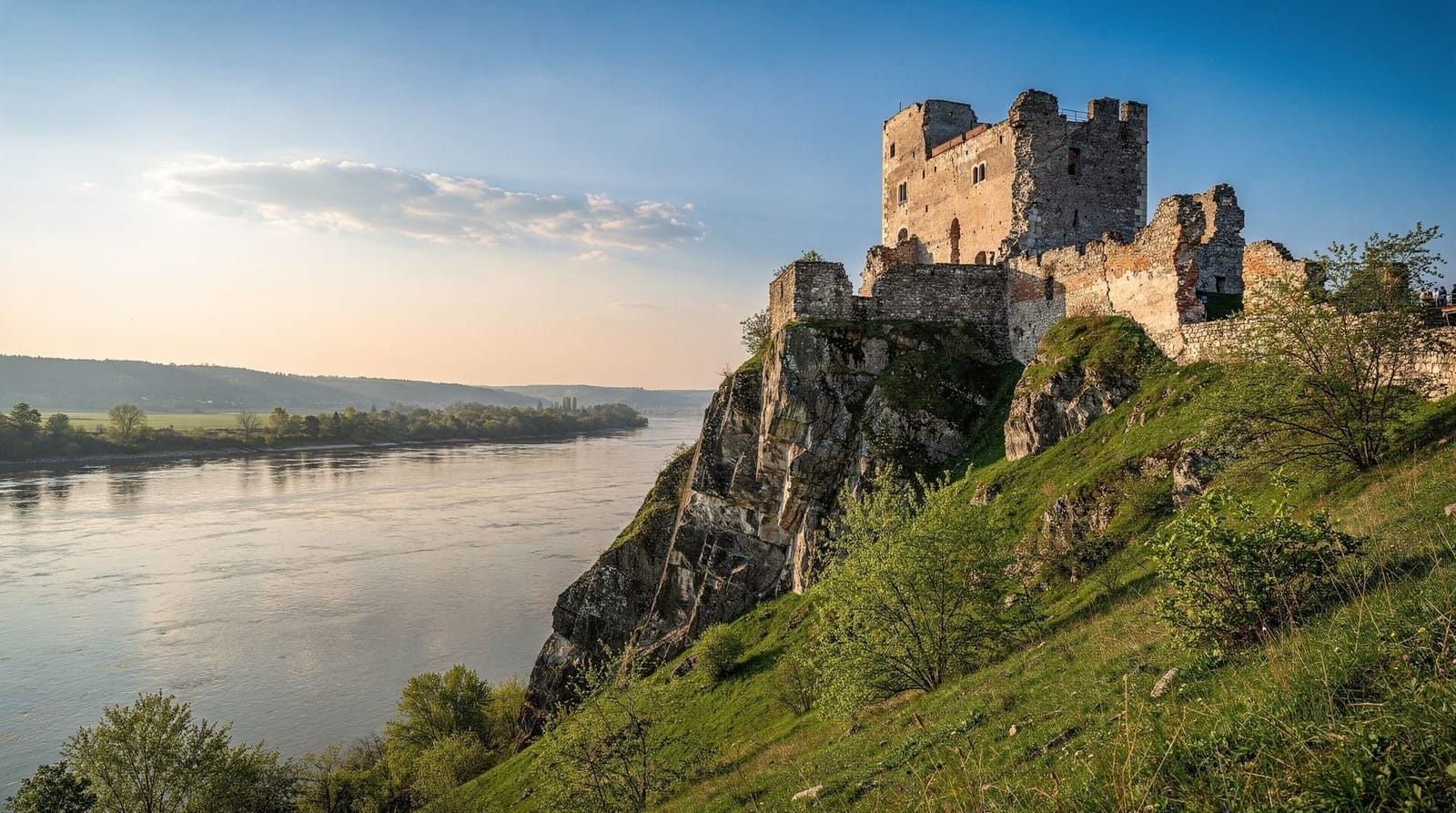
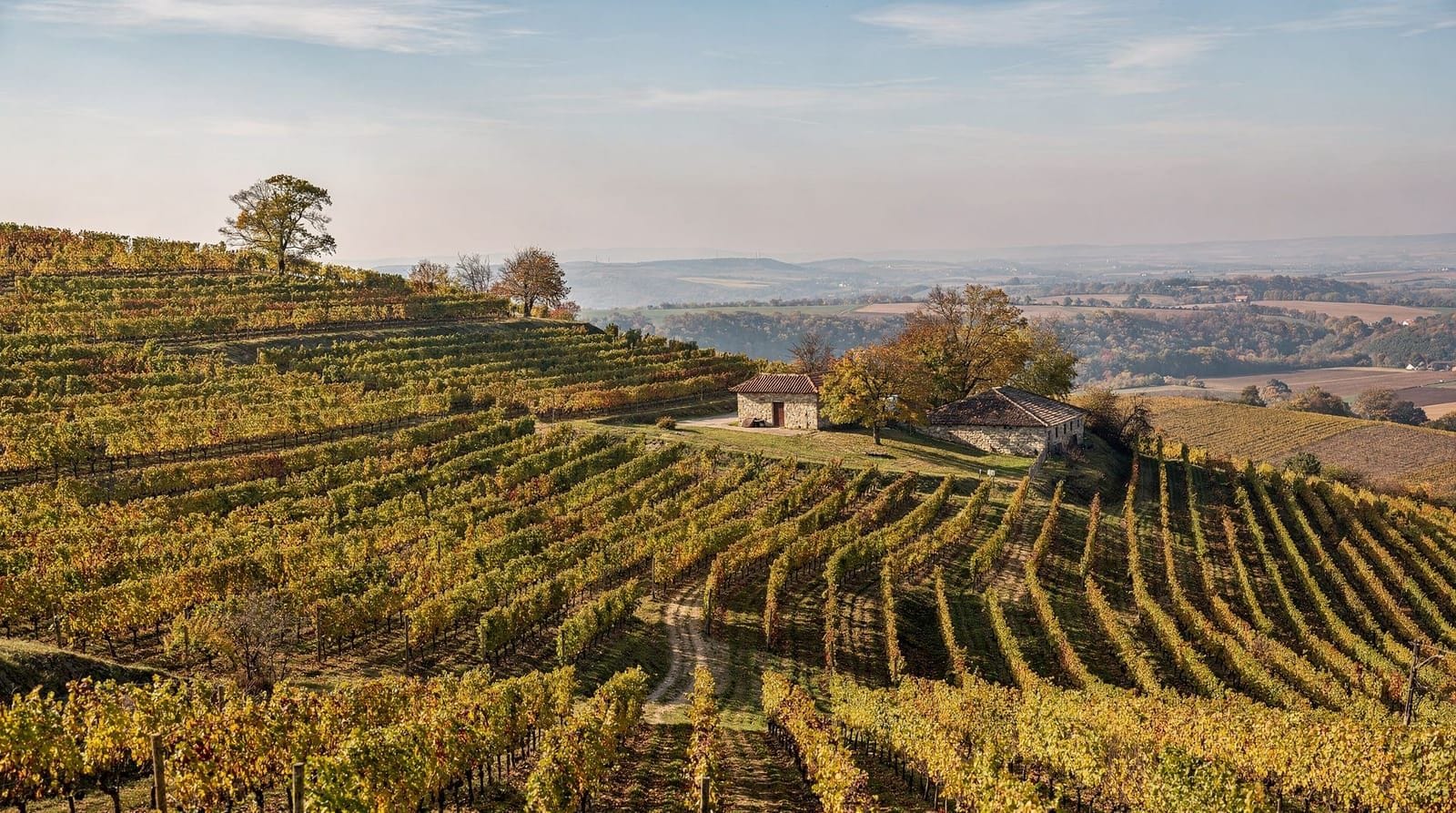
The Danube runs through both cities. Devín Castle, where you can see into Austria from the Slovak side of the border, is a literal bridge between the two histories. The Small Carpathians wine region grew in the shadow of the Habsburg court that administered from Vienna. The historical connections are everywhere, and a visit to both cities in the same trip makes those connections legible.
Other excursions pair well with a Vienna day. Devín Castle suits a quieter day on the Slovak side, the Small Carpathians wine region works for a relaxed tasting day, and the Budapest day trip is the natural next step if you want a third capital. For a ranking of all the options, see day trips ranked.
For travellers doing the Danube capitals route — Vienna, Bratislava, and Budapest in sequence — the Danube capitals itinerary and the Bratislava Vienna combo itinerary both offer structured planning for the combination.
Practical notes for the crossing
Border and passport control: Slovakia and Austria are both Schengen countries. There is no passport control at the border and no customs check. EU citizens need only an ID card. Non-EU travellers should carry their passport but will not be asked to show it on the train.
Currency: Both countries use the euro. No exchange is needed.
Language in Vienna: German. English is widely spoken in tourist areas, museums, and transport. Slovak is not useful in Vienna, but German is at least historically connected — many older Bratislava residents have some German from the Habsburg period.
Vienna tipping culture: Tipping in Austrian restaurants is expected — round up or add 10–15%. Coffee in a Viennese café includes table service and a glass of water; a tip is standard.
Because the whole plan depends on Bratislava being a comfortable base, choose your lodging with the station in mind. The where to stay guide compares the neighbourhoods, getting around Bratislava explains how to reach the station and port, and the Bratislava City Card guide is worth a look for the days you spend in town. If you want a day-by-day plan, the Bratislava weekend itinerary leaves room for a Vienna outing, and the Vienna day trip guide goes deeper on the city itself.
GetYourGuideVienna: private day trip to Bratislava with hotel transfersCheck availability →Frequently asked questions about Vienna as a day trip from Bratislava
Is one day enough to see Vienna?
One day is enough to see several of Vienna’s highlights and get a strong sense of the city. It is not enough to do Vienna justice — but no single day is. The Stephansdom area, the Hofburg, the Ringstrasse, and one major museum is a realistic and satisfying one-day experience. Think of it as an introduction rather than a complete visit.
Which is better: train or Twin City Liner from Bratislava to Vienna?
The train is faster (1 hour vs 90 minutes), cheaper (€12–20 vs €25–35 each way), and more frequent. The Twin City Liner is a scenic experience on the Danube and the river arrival in Vienna is memorable. For a straightforward day trip with maximum time in Vienna, take the train. For a special occasion or if you enjoy river travel, take the Liner one way and the train back.
Do I need to book Vienna museum tickets in advance?
For the Kunsthistorisches Museum and the Belvedere, advance booking is possible online and recommended in peak season (July–August, Christmas). For the Hofburg attractions, queues can be long without advance tickets in summer. The Stephansdom and the Ringstrasse walk are free and need no booking.
Is Vienna expensive for a day trip from Bratislava?
Vienna is significantly more expensive than Bratislava for food and drink. A coffee costs €4–6 in a central Viennese café versus €2–3 in Bratislava. A museum lunch costs €15–20. Plan for the day to cost €80–120 per person including transport, two museum entries, lunch, and coffee — more if you eat at better restaurants. The savings on accommodation (staying in Bratislava) offset this comfortably.
What is the best route from Bratislava to Vienna for first-timers?
Take the train from Bratislava Hlavná stanica to Wien Hauptbahnhof. Buy a return ticket in advance. From Hauptbahnhof, take the U1 metro to Stephansplatz (5 minutes). Start at the cathedral, walk the Graben, visit one Hofburg attraction, have lunch, walk the Ringstrasse, and visit the Kunsthistorisches or Belvedere. Return train to Bratislava by 19:00–20:00.
Can you use Bratislava as a base for visiting Vienna?
Yes, and this is increasingly how budget-conscious travellers approach the combination. Bratislava accommodation is typically half the cost of equivalent Vienna hotels. The hour-long train journey is comfortable and runs frequently. For a three or four-night stay focused on both capitals, Bratislava as a base is practical and increasingly popular.
Is it better to do Vienna as a day trip or stay overnight there too?
For most travellers with limited time, a day trip is the efficient choice — you get a strong first impression of Vienna without paying its accommodation prices. If your schedule allows, splitting a stay (two nights in Bratislava, one in Vienna) lets you catch a Vienna evening — the State Opera, a Heuriger wine tavern, or a late museum night — without a rushed return train. Purely for cost and convenience, though, the day trip from Bratislava is hard to beat.
Day trip vs. staying overnight in Vienna
| Day trip from Bratislava | Overnight in Vienna | |
|---|---|---|
| Cost | Train only, no extra hotel | €150–250+/night added |
| Time in Vienna | ~7–9 hours | Full evening + next morning |
| Evening options | None (return train) | Opera, Heuriger, late museums |
| Best for | Budget travellers, first look | Vienna enthusiasts, special occasions |