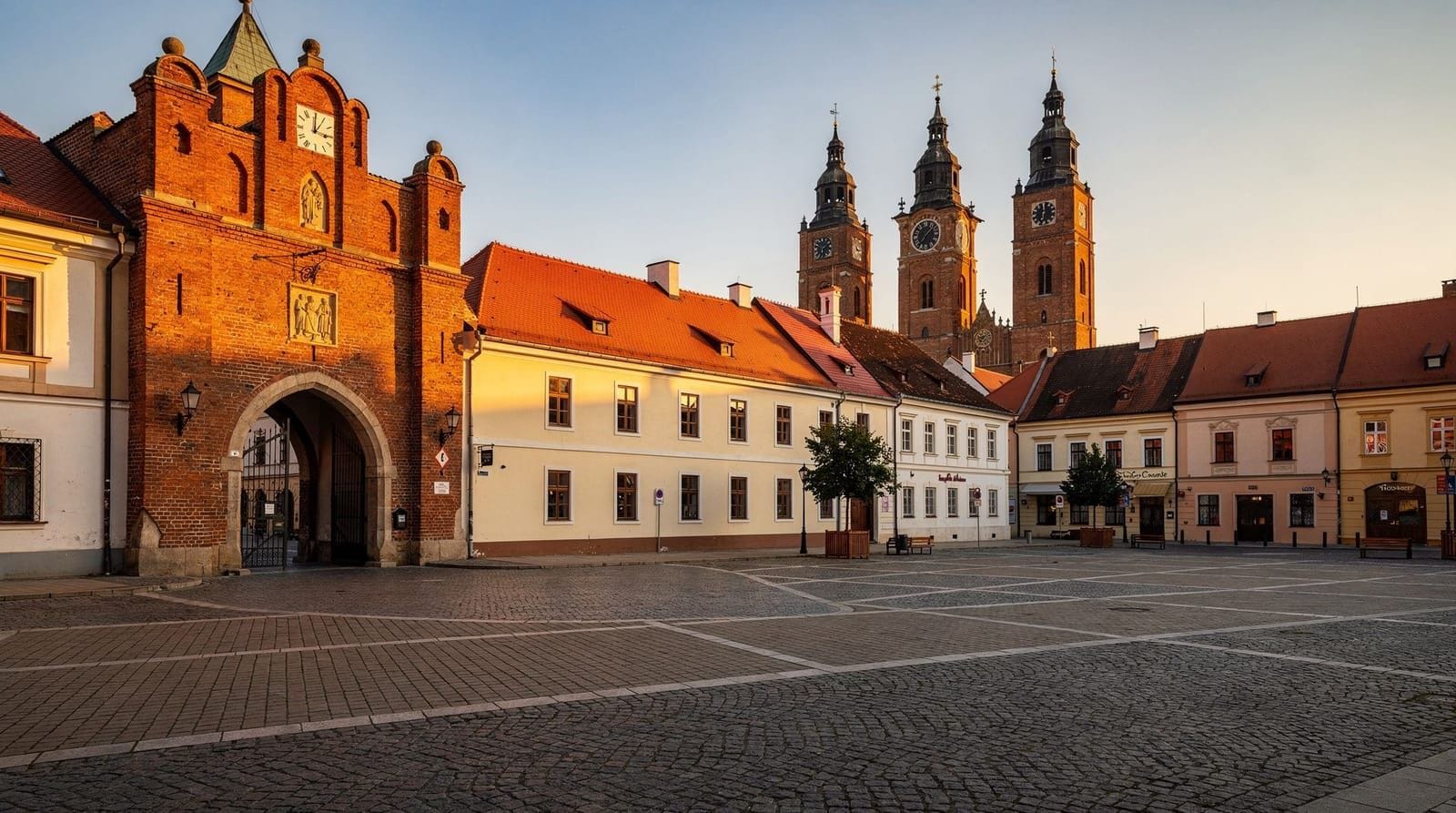
Why Bratislava keeps surprising visitors
Bratislava sits at the intersection of three countries — Slovakia, Austria, and Hungary — and that unlikely geography shapes everything about it. Vienna is exactly 60 km away. Budapest is 200 km east. Yet Bratislava costs a third less than either, has almost no queues, and packs a genuinely walkable old town into a city of under 500,000 people.
That compactness is the secret weapon. From the medieval Michalská brána (Michael’s Gate) to the Bratislava Castle viewpoint, you can walk every major sight in two hours — but the city rewards those who slow down, dip into a wine bar in a cellar, or take a bus to Devín Castle on the Danube. First-timers often land expecting a filler stop between Vienna and Budapest and leave wishing they had booked three nights.
The Slovak capital is also one of the youngest EU capitals and one of the few that sits right on the border of two other countries. On a clear day from the castle ramparts, you can see Austria and Hungary simultaneously. Few other European capitals offer anything like it.
GetYourGuideBratislava classic walking tourCheck availability →The old town on foot
Bratislava’s historic centre is pedestrianised almost entirely, and it is small enough that you genuinely cannot get lost. The logical starting point is Hlavné námestie (Main Square), a cobbled rectangle ringed by baroque façades, the Old Town Hall, and the fountain of Maximilian I. In summer, restaurant terraces fill the square; in November and December, one of central Europe’s more relaxed Christmas markets takes over.
From Main Square, walk north along Obchodná (the “shopping street”) or east towards Franciscan Square for quieter lanes. The Blue Church — officially the Church of St. Elisabeth — stands at the edge of the old town and is the city’s most photographed building, a Hungarian Art Nouveau masterpiece built in 1913 entirely in shades of pale blue. It is worth the five-minute detour even if you only see it from outside.
Michalská brána is the last remaining city gate, dating to the 14th century and now housing a museum of arms and city fortifications. Walk through the gate and under the tower for free; the tower interior costs around €4. The lane leading away from it — Michalská ulica — is lined with wine bars and restaurants and is one of the better places in the old town for lunch or dinner that is not squarely aimed at tourist groups.
For context on what you’re walking through, a guided walking tour run by a local is worth two hours of anyone’s time. Guides cover the communist era, the Velvet Revolution, and the architectural layers of the city in a way that maps and apps simply cannot replicate.
GetYourGuideBratislava 1-hour small group walking tourCheck availability →Bratislava Castle and the view
The castle dominates every photograph of Bratislava. It sits on a rocky promontory above the old town, and the climb from the base takes about 15 minutes on foot. The exterior is immediately recognisable — four white towers, nicknamed “an upturned table” by locals. The interior houses the Slovak National Museum, including prehistoric artefacts from the Great Moravia period, displays on the Habsburg era, and a permanent exhibition on the development of Slovak statehood.
Admission to the main castle museum costs €10 for adults (reduced rates for students and seniors). The castle grounds are free and open year-round during daylight hours. The viewpoint terrace on the south side gives an unobstructed view across the Danube into Austria — on the far bank, that is already Austrian territory.
The neighbourhood immediately below the castle, Podhradie, was largely demolished during the communist period to make way for the SNP Bridge. The few remaining baroque townhouses give a hint of what was lost. The bridge itself — named after the Slovak National Uprising — carries the city’s most famous restaurant and observation deck, the UFO. Tickets to the observation deck cost €11 and include a voucher redeemable at the restaurant; on a clear day, you see 100 km in every direction.
A combined culture tour that takes in both the castle and the old town is the most efficient way to get historical context quickly.
GetYourGuideBratislava guided walking tour with castle entryCheck availability →The Danube and the riverfront
The Danube runs along Bratislava’s southern edge and is the city’s most dramatic natural feature. The riverfront promenade — Nábrežie — stretches from the SNP Bridge westward and is popular with cyclists, runners, and families in summer. In June through August, pop-up beach bars appear on the banks, and the riverside is at its most lively.
From the riverfront, you can see the SNP Bridge’s distinctive flying-saucer tower, the castle above, and on clear days the Austrian plain to the west. A number of river cruise operators run short trips on the Danube, from one-hour scenic loops to the longer journey to Vienna aboard the Twin City Liner catamaran (around 90 minutes, departing from the Passenger Port near the old town).
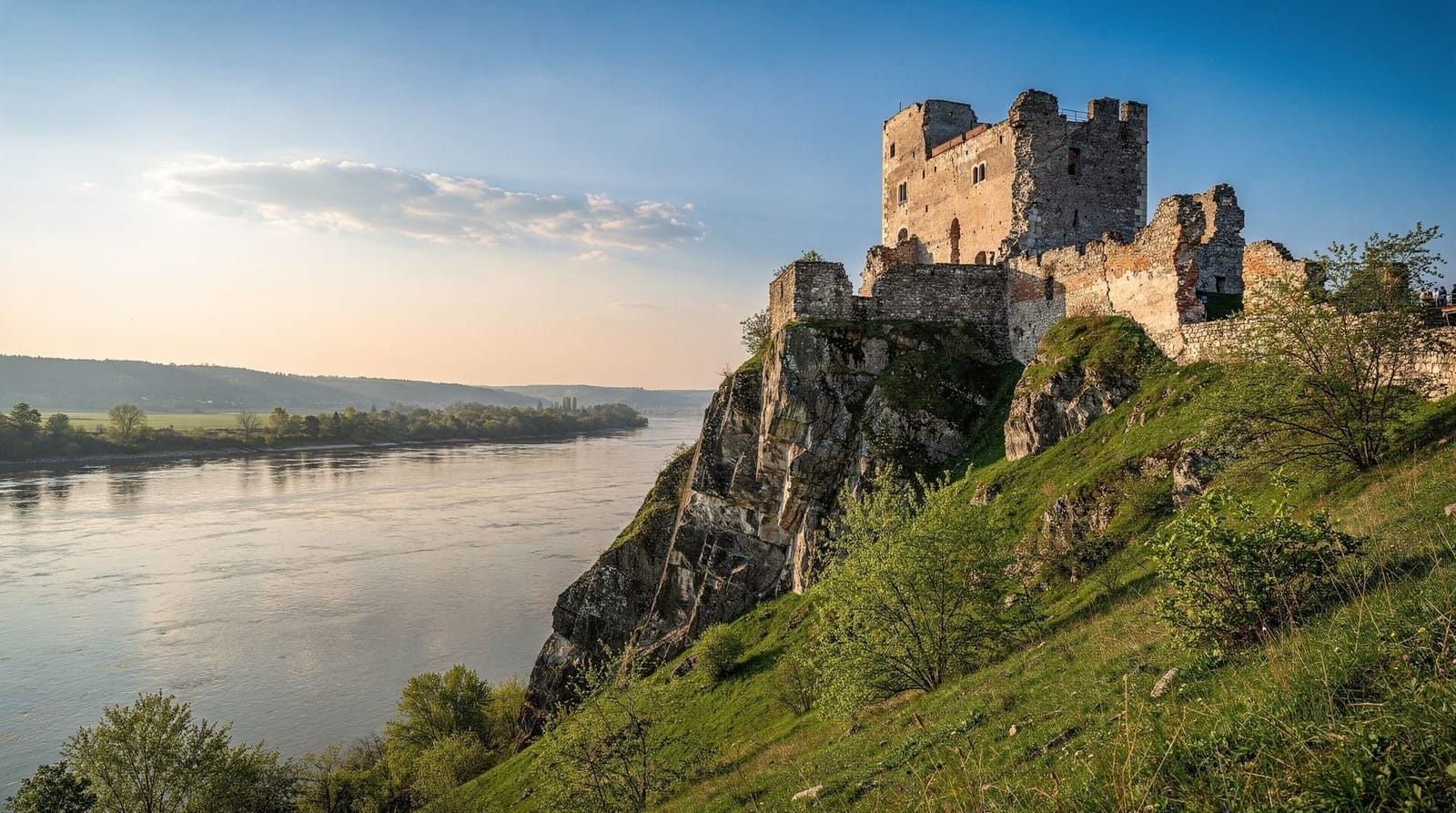
Devín Castle stands at the confluence of the Danube and the Morava rivers, 12 km west of the city centre. Public bus 29 gets you there in about 20 minutes. The castle ruins sit on a cliff above the rivers, and the spot was a key Iron Curtain frontier until 1989 — the watchtowers and border fortifications are still visible. It is among the most atmospheric half-day trips from Bratislava. See the full Devín Castle guide.
Neighbourhoods beyond the old town
The old town is compact, but Bratislava has character in its outer districts too.
Staré Mesto (Old Town) extends beyond the pedestrian core into a grid of 19th-century streets with independent cafés and bookshops. Obchodná Street, a few blocks north of Main Square, is a scruffier, more local version of a high street — useful for an honest cappuccino without tourist pricing.
Petržalka is the communist-era housing estate across the river, visible from the castle. It is home to about 100,000 people and is the largest prefabricated housing estate in central Europe. It is not on the typical tourist circuit, but the cycling paths through its parks and along the Danube are unexpectedly pleasant, and the atmosphere is a useful counterpoint to the restored old town.
Rača is the wine village in Bratislava’s northeastern suburbs, technically within city limits, and one of the oldest wine-producing settlements in Slovakia. It hosts Bratislava’s own harvest festival in September.
Slavín is the Soviet war memorial on the hill northwest of the old town. The monument is large-scale Soviet architecture and the panoramic views from the terrace are arguably better than those from the castle, with less of a queue. The memorial is free and open year-round.
Eating and drinking
Slovak food is hearty and rooted in central European tradition. Bryndzové halušky — potato gnocchi with sheep’s cheese and smoked bacon — is the national dish and appears on most traditional menus at €7–10. Kapustnica is a sauerkraut soup with sausage, common in winter. Look also for štrúdel (strudel, in Slovak bakeries since the Habsburg period) and langoše (fried dough with toppings, sold at market stalls).
For honest Slovak cooking, Modrá Hviezda on Beblavého Street near the castle is a reliable choice (mains €12–18). Výčap on Obchodná is a more casual wine bar-meets-bistro with Slovak wine by the glass from around €3. Zylinder on Main Square is mid-range and has a terrace; it leans tourist but the food is good.
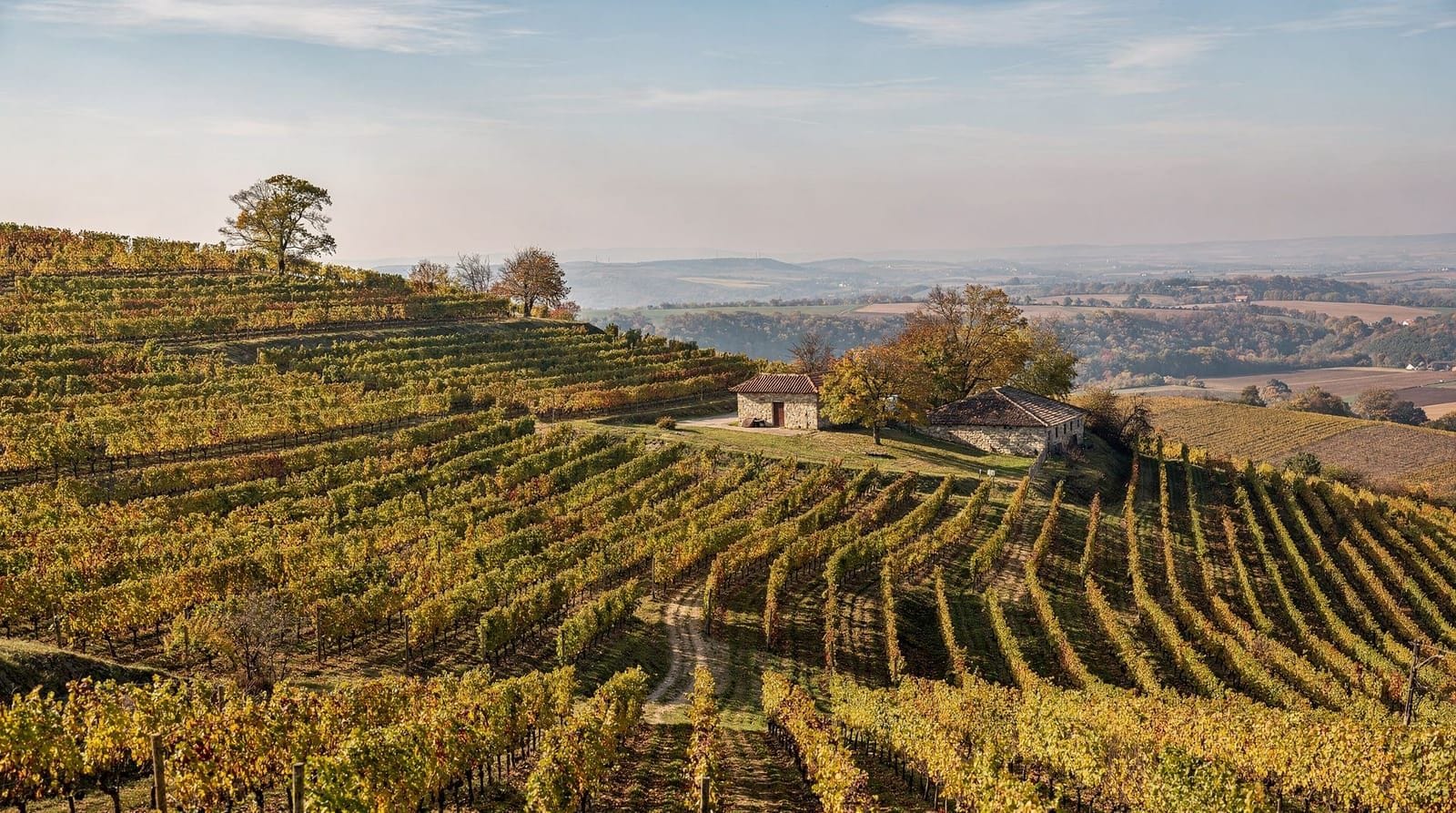
Beer costs around €2–3 for a half-litre in a standard pub. The local beer brands are Zlatý Bažant and Šariš, both made in Slovakia. Wine drinkers are better served than in most European capitals — the Small Carpathians wine region begins 30 minutes from the city centre, and wine bars in the old town stock local Grüner Veltliner, Welschriesling, and Frankovka modrá by the glass. A glass in a good wine bar costs €3–5.
For food-oriented exploration, the Slovak food market on Trnavské mýto on Saturday mornings is the best place in the city to try local producers in one spot — bread, cheese, charcuterie, and wine from nearby villages.
GetYourGuideBratislava city sightseeing afternoon walking tourCheck availability →Day trips from Bratislava
The city’s greatest practical advantage is what surrounds it. Within two hours, you have:
- Devín Castle — 20 minutes, bus 29. Iron Curtain history plus dramatic cliffs. Full guide: Devín Castle.
- Small Carpathians wine region — 30–40 minutes by bus or car to Pezinok or Modra. Wine tasting at family producers, hiking trails, the historic town of Červený Kameň. Full guide: Small Carpathians wine region.
- Trnava — 45 minutes by train (€3–4 each way). The “Slovak Rome” has 14 churches, baroque squares, and a university that pre-dates many of Vienna’s institutions. See Trnava.
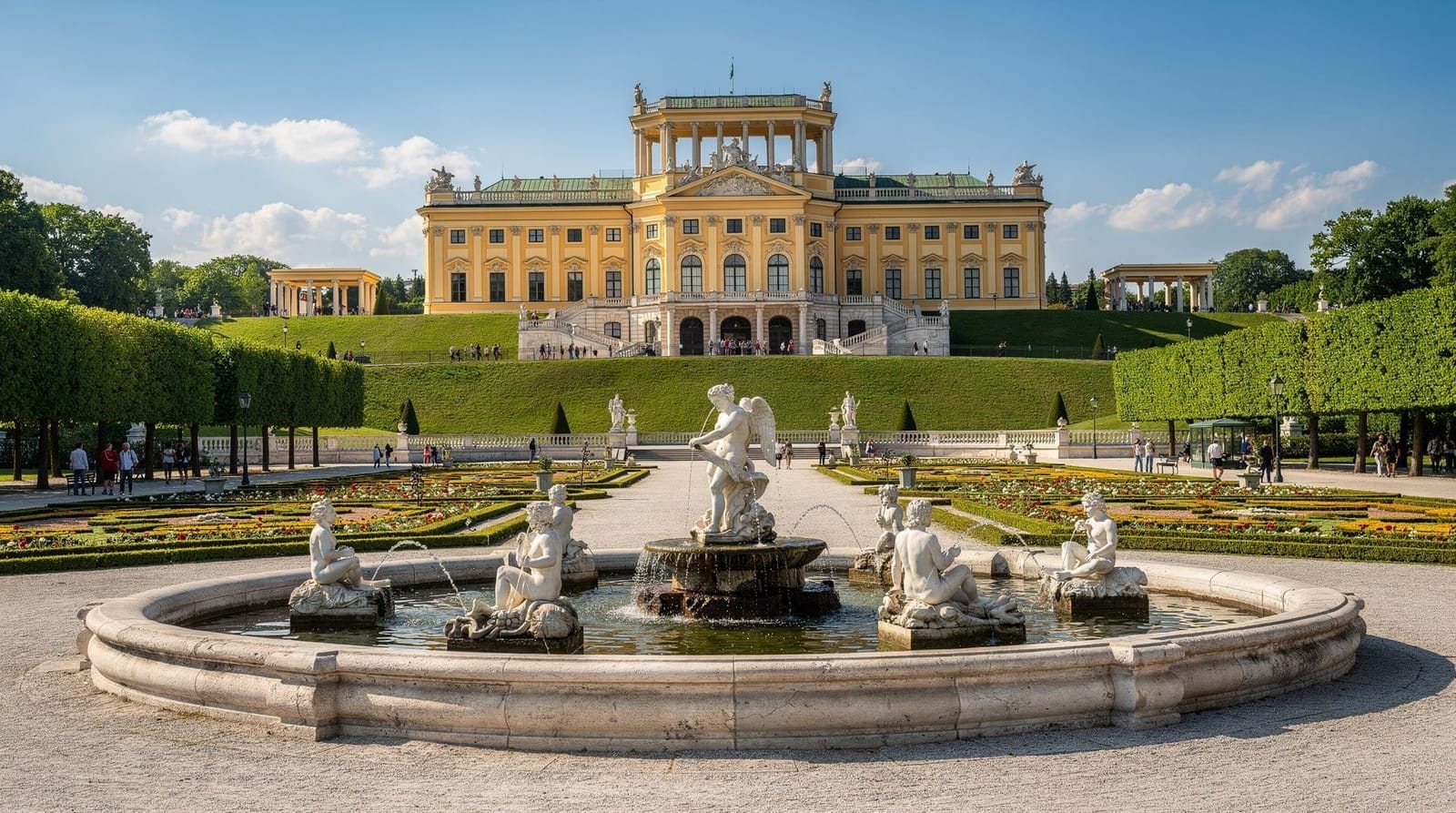
- Vienna — 1 hour by direct bus or train. Europe’s imperial capital as a day trip. See Vienna day trip.
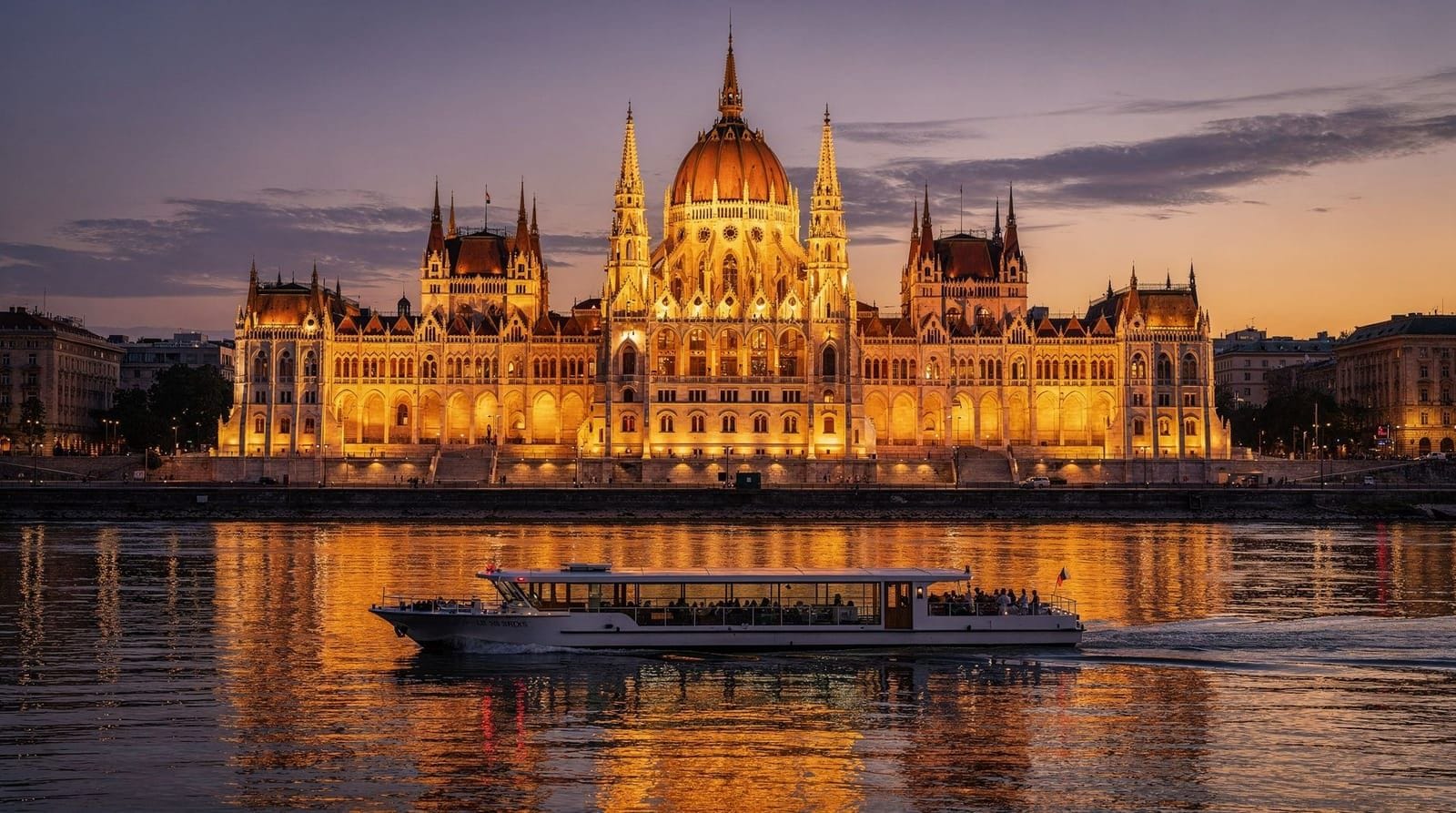
- Budapest — 2.5 hours by train. Hungary’s baroque-and-thermal capital. See Budapest day trip.
- Danubiana art museum at Čunovo — 30 minutes south, a contemporary art museum on a peninsula in the Danube. See Danubiana/Čunovo.
For practical trip planning, the getting around Bratislava guide covers public transport, including how to reach each of these.
Practical information
Getting there: Vienna Airport (VIE) is the most practical international entry point for most travellers. The FlixBus/Slovak Lines direct service to Bratislava Main Bus Station costs around €5–10 and takes just under an hour. From Vienna Hauptbahnhof, trains run to Bratislava Hlavná stanica roughly every hour (€12–20, 1 hour). For flights direct to Bratislava (BTS), the airport is small with limited international routes; see Bratislava airport guide.
Getting around: The old town is entirely walkable. Trams and trolleybuses cover the wider city. A 24-hour transport pass costs €3.50. Taxis: use Bolt or the official Bratislava Taxi app — avoid unmarked vehicles outside the station. The public transport guide covers tickets and routes.
Where to stay: The old town and Staré Mesto are the most convenient for first-timers. Boutique hotels here run €80–130 per night for a double. For a longer stay, the areas around Obchodná Street offer good value. Full guidance in where to stay in Bratislava.
City Card: The Bratislava City Card (€15 for 24 hours, €20 for 48 hours) includes unlimited public transport, free entry to the city museum, and discounts at several attractions. It is worth it if you plan to use public transport heavily. Full analysis at Bratislava City Card guide.
Budget: A reasonable daily budget is €50–70 for a solo traveller eating in local restaurants, using public transport, and paying for two or three attraction entries. Mid-range couples typically spend €80–130 per day total.
Safety: Bratislava is one of the safer European capitals. Standard city precautions apply — watch bags in crowded tourist areas, avoid unmarked taxis, be cautious of “stag party” zone bars which have been known to present inflated bills. See is Bratislava worth visiting for an honest assessment including the downsides.
Visas: Slovakia is Schengen. EU and most Western passport holders need no visa for stays under 90 days. ETIAS (the EU travel authorisation for non-EU citizens) is expected to come into force in 2026.
Seasonal highlights
December–January: Christmas markets in Main Square and Franciscan Square. Around 74 stalls. Less crowded and notably cheaper than Vienna’s or Prague’s. The city decorates well and the castle is lit at night. See Christmas markets guide.
May–June: Best shoulder season weather. Comfortable temperatures (18–26°C), outdoor dining in full swing, Danube riverfront lively.
July–August: Peak summer heat (25–33°C). Beach bars on the Danube. High season for river cruises. Busiest period in the old town.
September–October: The wine harvest brings the Small Carpathians to life. Pezinok’s harvest festival in September, St. Martin’s Day wine (nové víno) released on 11 November. This is arguably the best reason to visit Slovakia. See autumn wine harvest guide.
November: Quieter, cool, early Christmas markets from late November. Atmospheric without summer crowds.
Frequently asked questions about visiting Bratislava
How many days do you need in Bratislava?
One full day covers the old town, castle, and riverfront. Two days adds Devín Castle, the UFO deck, and wine bars in the evening. Three days lets you add a day trip to Vienna, the wine villages, or Trnava without rushing. Most travellers are satisfied with two nights.
Is Bratislava cheaper than Vienna?
Significantly cheaper. A restaurant meal costs €8–15 in Bratislava versus €18–30 in Vienna. Beer costs €2–3 versus €4–6. Hotel nights are roughly half the price. The two cities are an hour apart, which makes Bratislava viable as a base for visiting Vienna on a budget.
What language do people speak in Bratislava?
Slovak is the official language. English is widely spoken in restaurants, hotels, and tourist areas. German is understood by older residents and some service workers, given the city’s history as part of the Austro-Hungarian empire (it was called Pressburg in German). You will have no difficulty getting around in English.
Is Bratislava safe for tourists?
Yes. It is consistently ranked among the safer European capitals. The main tourist risks are pickpockets in crowded areas and unmarked taxis at the station. The “stag party” bar zone near the old town has a history of overcharging; the guide on Bratislava nightlife covers how to avoid bad venues.
What is the best way to get from Vienna to Bratislava?
By train from Vienna Hauptbahnhof (about 1 hour, €12–20 return) or by direct bus from Vienna airport (about 1 hour, €5–10). The train is more comfortable; the bus from the airport is more convenient if you are flying in. Full logistics in Vienna airport to Bratislava.
What currency does Bratislava use?
Slovakia has used the euro since 2009. You do not need to exchange currency if you are arriving from another eurozone country. Cards are accepted almost everywhere in the city centre; some market stalls and small producers in the wine villages prefer cash.
What should you not miss on a first visit?
The three non-negotiables: walk the old town and climb to Michalská brána, walk up to the castle for the view (especially at dusk), and have at least one glass of Small Carpathians wine in a cellar bar. If time allows, the trip to Devín Castle is the experience most likely to stay with you.
Planning your visit: where to base yourself
Most first-time visitors do best staying in or near the Old Town, where everything covered above is within a 10–15 minute walk. The full breakdown of neighbourhoods, prices, and who each area suits is in the where to stay guide. If you’re arriving via Vienna Airport, the Vienna airport to Bratislava guide covers the bus and train options in detail, and the Bratislava airport guide is worth checking if you’re flying directly into BTS instead.
For a slower side of the city beyond the old town and castle, Železná studienka forest park is free, 20–25 minutes away by bus, and popular with locals for walking and picnics — see the full Železná studienka guide. Families in particular tend to enjoy adding it to a two- or three-day itinerary.