Why Trnava earns its nickname
Trnava is called the Slovak Rome, and while that sounds like tourist-brochure hyperbole, there is a literal basis for it: 14 churches stand within the old town walls, a remarkable concentration for a city of 68,000 people. The explanation is historical — Trnava served as the seat of the Archbishop of Esztergom (and effectively of the Hungarian Catholic Church) from 1543 to 1820, after the Ottomans captured Esztergom and forced the archbishopric north. During those 277 years, the city became a major centre of Catholic learning and construction.
The result is a baroque townscape that rivals anything in central Europe and receives a fraction of the visitors of Olomouc, Kutná Hora, or Krakow. On a typical weekday, the main square — Trojičné námestie (Trinity Square) — has pigeons and a few locals with coffee to go, not selfie sticks. This is either a selling point or a warning depending on what you want from a day trip.
For travellers based in Bratislava, Trnava is the simplest way to see a functioning Slovak town with genuine historical depth. The train takes 45 minutes, costs about €3–4 each way, and runs frequently. You arrive in a working railway station, walk 10 minutes to the old town, and emerge into a baroque cityscape that has changed very little since the 18th century.
If you are still deciding how Trnava fits into your trip, the Bratislava destination page covers the capital itself, and the guide on whether Bratislava is worth visiting helps you judge how much time to give the wider region. Short on days? The one-day itinerary shows what to prioritise in the capital before you add a side trip.
Getting to Trnava
The train from Bratislava Hlavná stanica (main railway station) to Trnava runs approximately every 30–60 minutes. The journey takes 40–50 minutes. Tickets cost €3–4 each way and can be bought at the station counter, from machines, or via the ZSSK mobile app. The Bratislava to Trnava route is one of the most frequent regional rail connections in Slovakia and is reliable.
From Trnava railway station, the old town centre is about a 10-minute walk north along Kollárova Street.
Buses also run the route, departing from Bratislava Main Bus Station, but the train is faster and more convenient.
By car, the D1 motorway connects Bratislava and Trnava in about 30 minutes. Parking is available around the old town perimeter (mostly free on residential streets, paid in the centre). Travellers without a car who want to combine Trnava with other castles and towns can book a private full-day tour instead.
GetYourGuideSlovakia's castles private full-day tourCheck availability →The old town: what to see
Trnava’s old town is encircled by a largely intact medieval city wall, making it one of the best-preserved fortified old towns in Slovakia. A walk along the wall’s perimeter (about 2 km, partially on walkways above the outer fortifications) is the best way to get a sense of the original town’s extent.
Trojičné námestie (Trinity Square): The main square, anchored by the baroque Trinity Column (1695). The Cathedral of St. John the Baptist faces one end; the town hall tower faces another. Café terraces fill the square in summer. This is the town’s social centre and the logical starting point.
Cathedral of St. John the Baptist (Katedrála sv. Jána Krstiteľa): Built between 1629 and 1637 by the Jesuit order, this is the largest baroque church in Slovakia and one of the most significant in central Europe. The interior is elaborate — a vaulted nave with rich side chapels, stucco work, and the tomb of the Hungarian cardinal Péter Pázmány, who founded the university. Entry is free; mass times are posted at the entrance.
St. Nicholas Cathedral (Katedrála sv. Mikuláša): An older, Gothic cathedral with baroque additions, serving as the current seat of the Trnava Archbishop. It predates the Jesuit church and has a different, quieter character.
University of Trnava (Trnavská univerzita): Founded in 1635, this was the first university in the territory of present-day Slovakia and predates several of Vienna’s famous academic institutions. The university moved to Budapest in 1777 but was re-established in Trnava in 1992. The historic campus buildings in the old town are open during term time.
The town wall and towers: Several of the medieval towers are accessible. The Urban Tower on the main square functions as a bell tower and offers a view over the old town roofscape (entry around €2). The Western Gate and the towers around the southern section of the wall give the most photogenic angles.
West Slovak Museum (Západoslovenské múzeum): Housed in a baroque building on the main square, with exhibitions on regional history, archaeology, and ethnography. Entry is around €3. It is not a world-class museum but provides useful context for the town’s history.
The 14 churches: a brief guide
The churches are Trnava’s defining architectural feature and reflect seven centuries of religious, political, and artistic history.
Jesuits (Cathedral of St. John the Baptist): The grandest, built 1629–37. Must-see for the baroque interior.
Ursulines (Church of St. Anne): Built 1776–83, a fine example of late baroque. The attached Ursuline convent now houses a secondary school.
Franciscans (Church of St. James): An older Gothic structure with a baroque façade added in the 17th century. The cloister garden is occasionally open.
Paulines, Clarissans, Piarists: Several smaller religious orders left their church buildings in Trnava, most of which have been repurposed as concert halls, galleries, or have been returned to religious use since 1989.
Not all 14 churches are open to visitors at all times. Those facing the main square and the university area are generally accessible during daylight hours. For an architectural survey, a morning walk through the old town covers most of them without a specific plan.
Food and drink in Trnava
Trnava has a more local, less tourist-inflated restaurant scene than Bratislava’s old town.
Modrá Pivnica: A popular wine bar in the old town with a focus on Small Carpathians wines. Straightforward Slovak food — cheese platters, charcuterie, grilled meats — at honest prices.
Café Viktoria: One of the old town’s more pleasant coffee spots, located near Trinity Square.
Mníšky (the old bakery): A bakery near the cathedral district making traditional Slovak breads and pastries. Good for a mid-morning snack.
Local food to look for: bryndzové halušky (the Slovak national dish, sheep’s cheese with potato dumplings and bacon), kapustnica (sauerkraut soup), and lokše (potato flatbreads, typically sold warm from market stalls during festivals).
Beer prices in Trnava are lower than in Bratislava — expect €1.50–2.50 for a half-litre in a standard pub. Wine from the Small Carpathians is available in most restaurants. If the glass whets your curiosity, the Small Carpathians wine guide explains the region’s wines, and the traditional Slovak food guide goes deeper on dishes like halušky and kapustnica.
The town has a small but growing café scene near the university, catering to students. This area — around Univerzitné námestie — is livelier during term time (October–June).
Trnava in its historical context
What makes Trnava more than just an attractive baroque town is the specific history that created it. When the Ottomans captured Esztergom in 1543 and later Buda itself, the political and religious capital of the Kingdom of Hungary relocated north into Slovak territory. Bratislava (then called Pressburg) became the political capital — coronation city of the Hungarian kings for nearly three centuries. Trnava became the religious capital and a centre of Counter-Reformation education.
The Jesuit university that Cardinal Pázmány established here in 1635 produced scholars who went on to work across the Habsburg empire. The printing press established by the Jesuits in Trnava published some of the first books in the Slovak language and was one of the most active in the region. The city’s influence on the intellectual and religious life of Hungary and Slovakia in the 17th and 18th centuries was disproportionate to its size.
After the university moved to Budapest and the archbishopric returned to Esztergom (1820), Trnava settled into the role of a provincial market town. Industrialisation brought a Czechoslovak armaments plant in the 20th century (now gone). Today the city economy runs on car manufacturing (PSA/Stellantis has a large factory on the outskirts) and services. The old town is preserved, lived-in, and unpretentious.
Day-trip itinerary
Morning (arrival ~9:30): Walk from the station to the old town. Start at Trinity Square, enter the Cathedral of St. John the Baptist, and walk the perimeter of the square. Climb the Urban Tower for a view over the rooftops.
Mid-morning: Walk the old town wall from the southern gate northward. Visit St. Nicholas Cathedral. Explore the university quarter around Univerzitné námestie.
Lunch: Modrá Pivnica or a restaurant on the main square. Budget €10–15 for a two-course meal with a drink.
Afternoon: Browse the West Slovak Museum (1 hour), walk through the remaining church district, and pick up ceramics or local food products at the small craft market near the town hall (weekends).
Return to Bratislava: Trains run until late evening; there is no pressure to catch a specific train. Last trains from Trnava to Bratislava run around 22:00–23:00.
Combining Trnava with other destinations
Trnava sits on the main railway line between Bratislava and Prague, which means it is easy to slot it into a longer itinerary without retracing your steps.
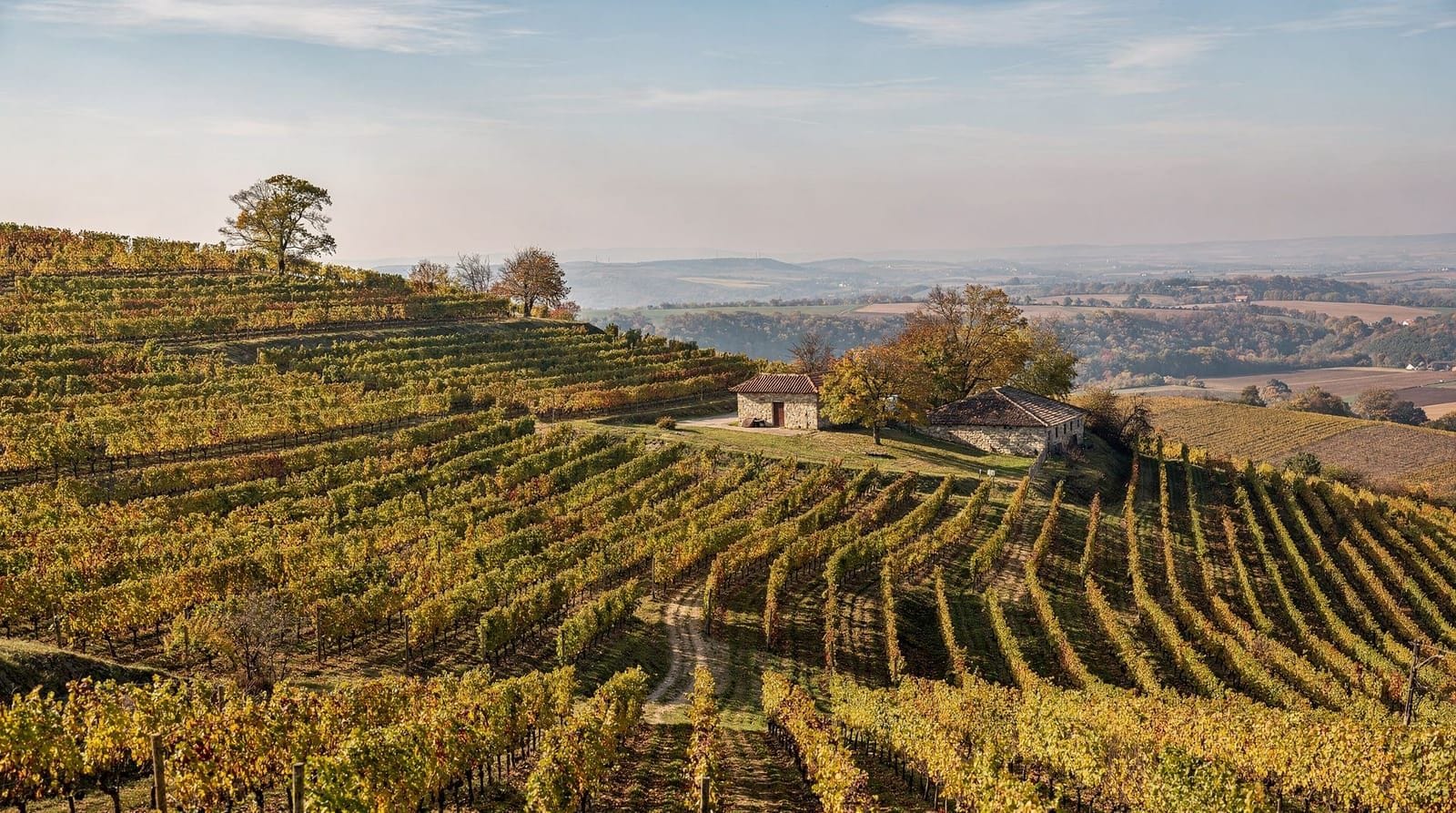
Trnava + Small Carpathians wine region: Take the morning train from Bratislava to Trnava, spend the morning in the old town, then continue by bus to Pezinok for an afternoon wine tasting. Return to Bratislava from Pezinok in the evening. See Small Carpathians wine region.
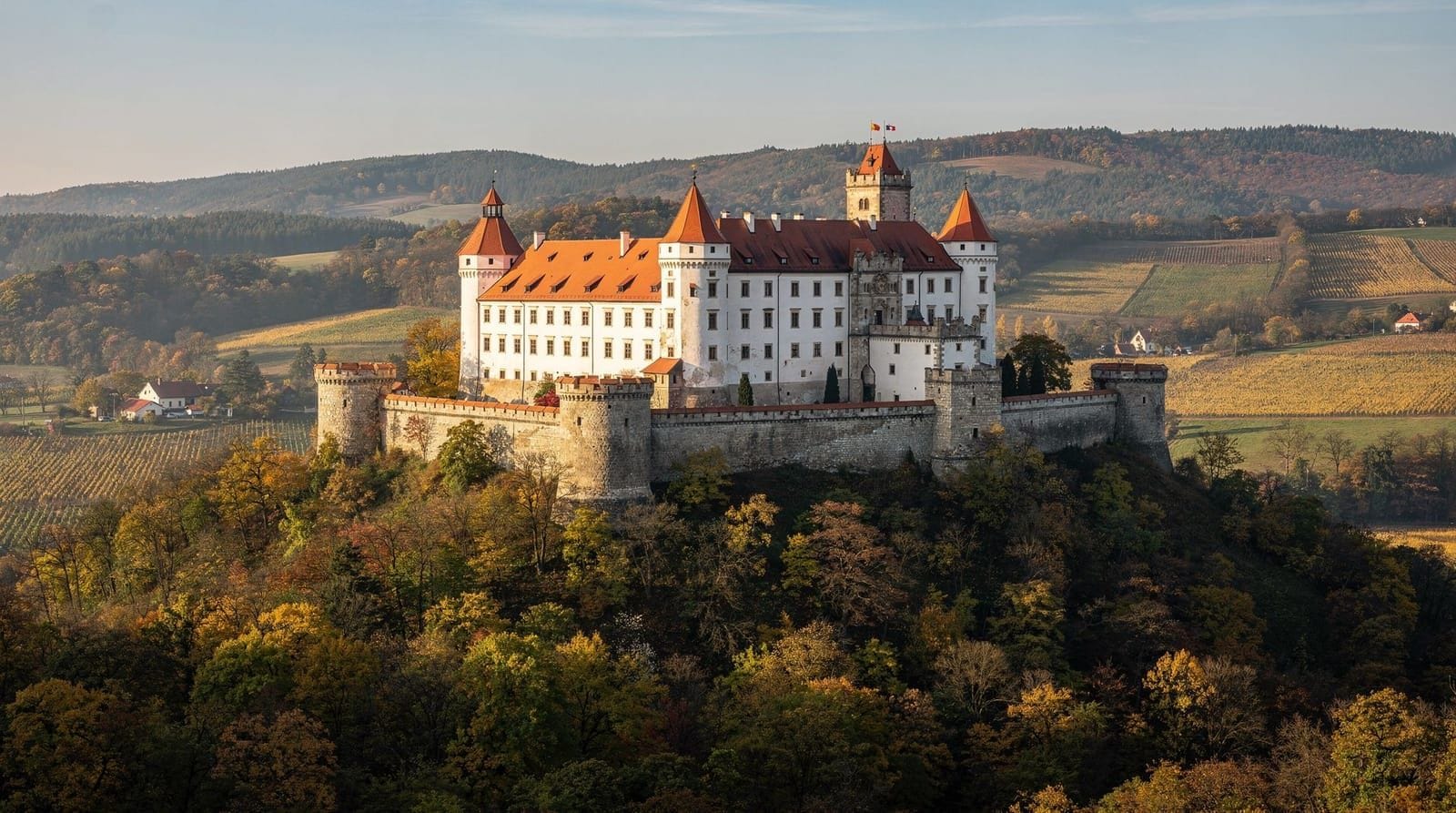
Trnava + Červený Kameň: A full day combining two historic sites. Trnava by train in the morning, then bus or car to Červený Kameň Castle in the afternoon. See Červený Kameň Castle.
GetYourGuideVisit two castles: Červený Kameň & Nitra CastleCheck availability →Trnava as a stop towards Vienna or Prague: If arriving from or departing to Vienna or Prague, Trnava is on the main rail corridor and can be visited as a genuine stop rather than a side trip.
For transport logistics, the trains to Vienna, Budapest, and Prague guide covers the regional rail network.
Frequently asked questions about Trnava
How long should I spend in Trnava?
Half a day (3–4 hours) is enough to see the main sights — the cathedral, main square, a section of the town wall, and one or two more churches. A full day lets you visit the museum, walk more of the wall, and have a relaxed lunch. Most visitors find half a day perfectly satisfying.
Is Trnava really called the Slovak Rome?
Yes, and the nickname is historically grounded rather than promotional. The concentration of 14 churches within the medieval walls dates from Trnava’s period as the seat of the Hungarian Catholic Church (1543–1820). During those nearly 280 years, the Jesuits, Ursulines, Franciscans, Paulines, and several other orders all built churches here. It is a genuine architectural phenomenon.
What is the best way to get from Bratislava to Trnava?
By train. Departures from Bratislava Hlavná stanica run approximately every 30–60 minutes. The journey takes 40–50 minutes and costs €3–4 each way. Tickets can be bought at the station, from machines, or via the ZSSK app. The trains guide covers the regional network.
Is there anything to do in Trnava in the evening?
Trnava is primarily a day-trip destination. The main square has restaurants and bars that are active in the evening, and the town has a student social scene around the university (term time). For a full evening out, most visitors return to Bratislava. The last trains run around 22:00–23:00.
Does Trnava have a Christmas market?
Yes. Trnava runs a Christmas market from late November through December on Trinity Square and in the surrounding streets. It is smaller than Bratislava’s market and receives fewer tourists. The baroque setting and the backdrop of the illuminated cathedral make it atmospheric. See the Christmas markets guide for Bratislava and surroundings.
Is Trnava worth visiting if I’ve already seen Bratislava’s old town?
Yes, and arguably more so — Trnava’s baroque centre is comparably dense in churches and historic buildings but without Bratislava’s crowds or the tourist infrastructure built up around them. Travellers who found Bratislava’s old town enjoyable but small often find Trnava’s quieter, more lived-in version of the same architectural period more satisfying for a second dose.
Trnava versus Bratislava’s old town
| Trnava | Bratislava old town | |
|---|---|---|
| Size | Larger, walled perimeter (~2 km) | Smaller, more compact |
| Crowds | Minimal outside festivals | Moderate to heavy in summer |
| Architecture | Baroque, church-dominated | Mixed medieval, baroque, Art Nouveau |
| Food scene | Local, lower prices | More tourist-oriented, wider range |
| Best for | Slower pace, architecture, low-key travel | First-time visitors, nightlife, convenience |
Both are worth seeing; they are not substitutes for each other. For a longer stay that mixes the capital with trips like this one, the 3-day Bratislava itinerary and the weekend itinerary leave room for a side trip, and the guide to getting around Bratislava explains local transport on your return. Bratislava’s old town walking guide covers the capital’s core sights for comparison.