A fortress built for commerce, not war
Most European castles were built to defend territory or project noble power. Červený Kameň was built primarily to store things. When the Fugger banking family — the most powerful merchant dynasty in 16th-century Europe — took control of the castle in 1535, they rebuilt it into one of the continent’s most sophisticated warehouse-fortresses: massive storage cellars, thick fortified walls to protect commercial goods, and a layout designed around secure logistics rather than residential comfort.
That unusual origin gives the castle its distinctive character. Unlike royal palaces with state apartments and throne rooms, Červený Kameň has merchant armouries, treasure vaults, and the kind of practical, heavily engineered architecture that speaks to the concerns of someone who needs to protect silver, spice, and debt instruments rather than a royal family’s prestige.
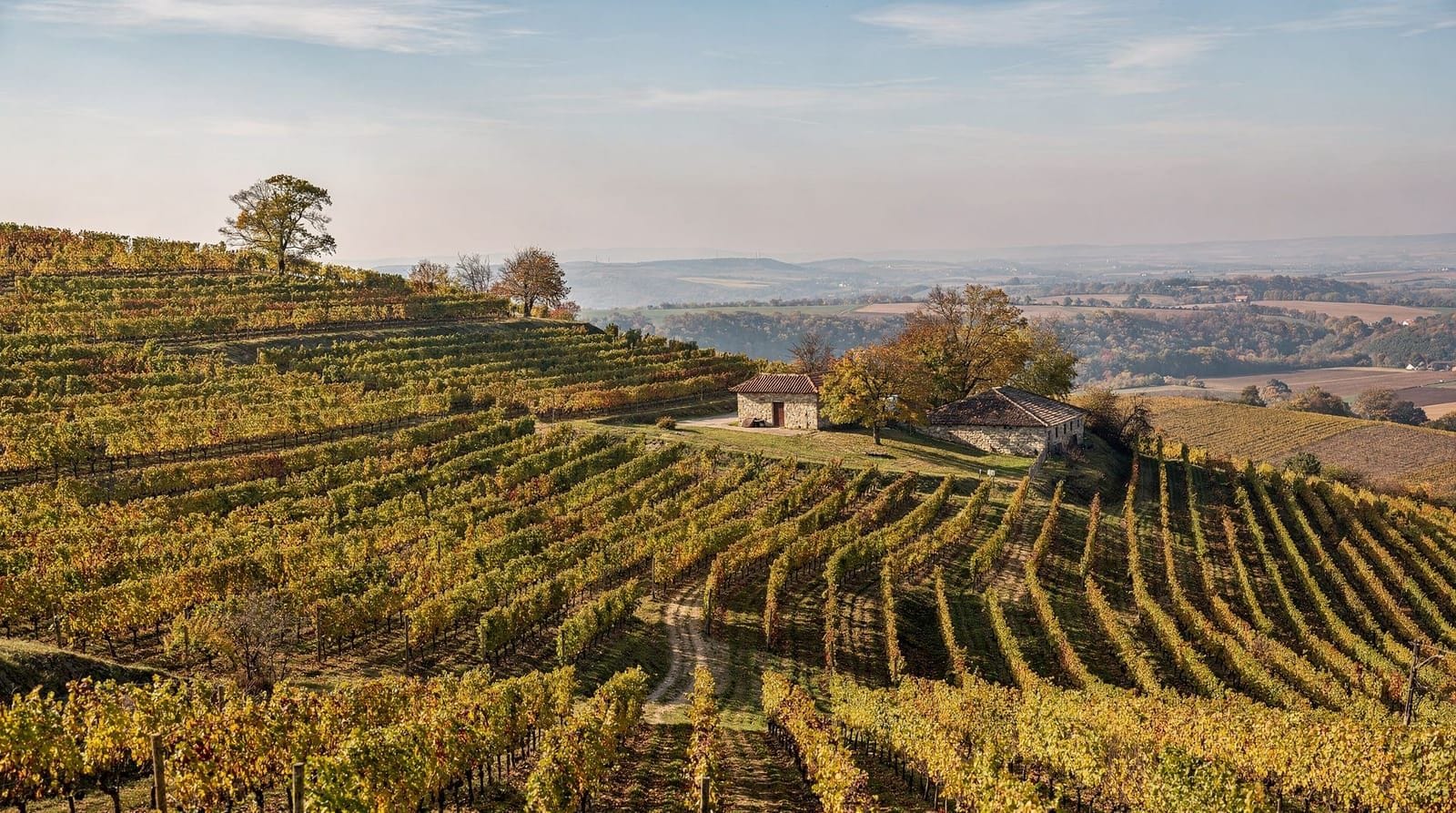
For visitors making the day trip from Bratislava, Červený Kameň is most rewarding when combined with a stop in Pezinok or Modra — the castle sits in the heart of the Small Carpathians wine region, and a half-day at the ruins pairs naturally with a wine tasting in either town. See Small Carpathians wine region.
| At a glance | Detail |
|---|---|
| Where | Častá village, Small Carpathians, around 35 km northeast of Bratislava |
| Cost | Around €10 adults, €5 reduced, guided tour included in the ticket |
| Time needed | Around 2–3 hours on site, plus travel |
| Getting there without a car | Bus to Modra, then a connecting bus to Častá (limited frequency) |
| Best time | April–October; a car makes the bus connection unnecessary |
History: from medieval fortress to Fugger stronghold
The earliest fortification at this site dates to the 13th century, when a watch-post controlled a pass through the Small Carpathians. The name “Červený Kameň” (Red Stone) refers to the reddish hue of the local sandstone used in construction.
In 1535, the Habsburg emperor Ferdinand I transferred the castle to the Fugger family of Augsburg as partial settlement of a debt — the Habsburgs owed the Fuggers a substantial sum from financing Charles V’s imperial election campaign. The Fuggers rebuilt the castle between 1535 and 1549 in the Italian Renaissance style, converting it into a central European commercial hub. Copper from Hungarian mines was stored here before export west; cloth, spices, and metals moved through the castle’s warehouses.
The Fugger connection lasted until 1588, when the castle passed to the Pálffy family, Hungarian nobles who held it for over three centuries. The Pálffys turned it into a more conventional aristocratic residence while maintaining its role as a regional administrative centre. Their furnishings, weapons collections, and family portraits survive in the castle rooms to this day, making the interior an unusually complete record of aristocratic life over several centuries.
After 1945, the castle was nationalised under the Czechoslovak state and eventually became a museum managed by the Slovak National Museum system. The interiors were preserved and are now open to the public on guided tours.
What you see inside
Access to the interior is by guided tour only. Tours run in Slovak, with English-language guided tours available on request (book in advance for English). Self-guided visitors can walk the exterior courtyard and grounds freely, but the rooms require a guide.
The Great Hall and state rooms: The Pálffy family apartments on the upper floors contain period furniture, tapestries, and family portraits from the 17th–19th centuries. The hall is one of the more complete examples of baroque aristocratic interior decoration in Slovakia.
The armoury: The Fuggers maintained a significant weapons store here, and the castle armoury holds one of the largest collections of historical armour and weapons in Slovakia — around 2,000 pieces including armour from the Ottoman wars, early firearms, and ceremonial swords from the Pálffy period.
The treasury vault: The room where the Fugger family stored bullion and valuable goods. The vault architecture — thick walls, reinforced doors, limited windows — reflects the commercial priorities of the original builders.
The cellar system: The extensive underground cellars, carved from the sandstone rock, were used for storing wine and food. Some sections are accessible on the tour and give a sense of the castle’s scale at ground level.
The Fugger courtyard: The inner courtyard is the most architecturally coherent Renaissance space in the castle, with arcaded galleries on multiple levels in the Italianate style. This is the best-photographed part of the interior.
Červený Kameň vs the other castles near Bratislava
If you are choosing between castle day trips, the three closest options each offer something different.
| Červený Kameň | Devín Castle | Bratislava Castle | |
|---|---|---|---|
| Character | Furnished Renaissance interior, guided only | Atmospheric ruin, self-guided | Reconstructed, city-hilltop |
| Distance from Bratislava | ~35 km | ~12 km | In the city |
| Without a car | Bus + connection, ~60–75 min | Bus 29, ~20 min | Walkable / short bus |
| Best for | Interiors, armoury, Renaissance architecture | Views, Iron Curtain history | Convenience, city views |
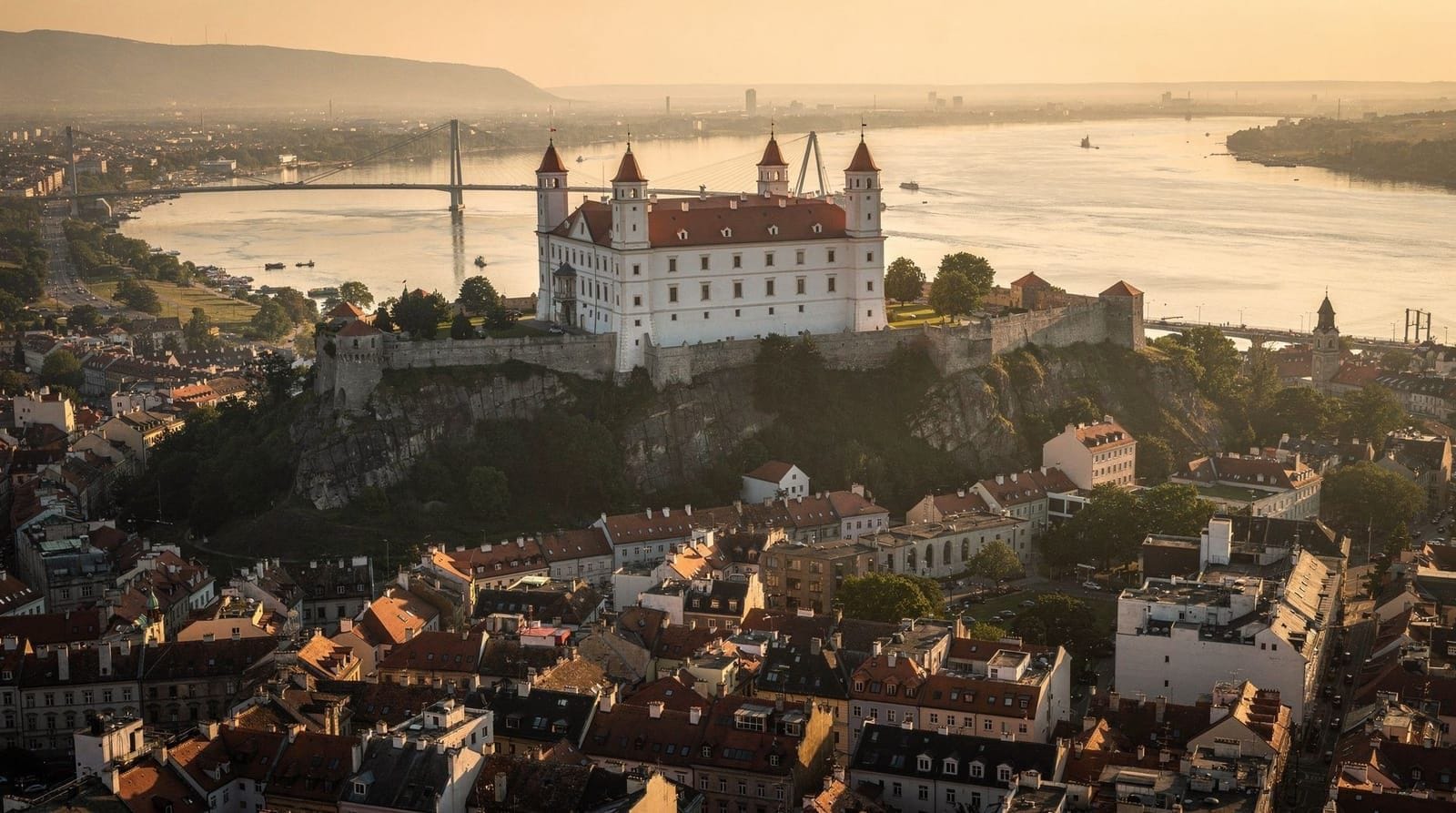
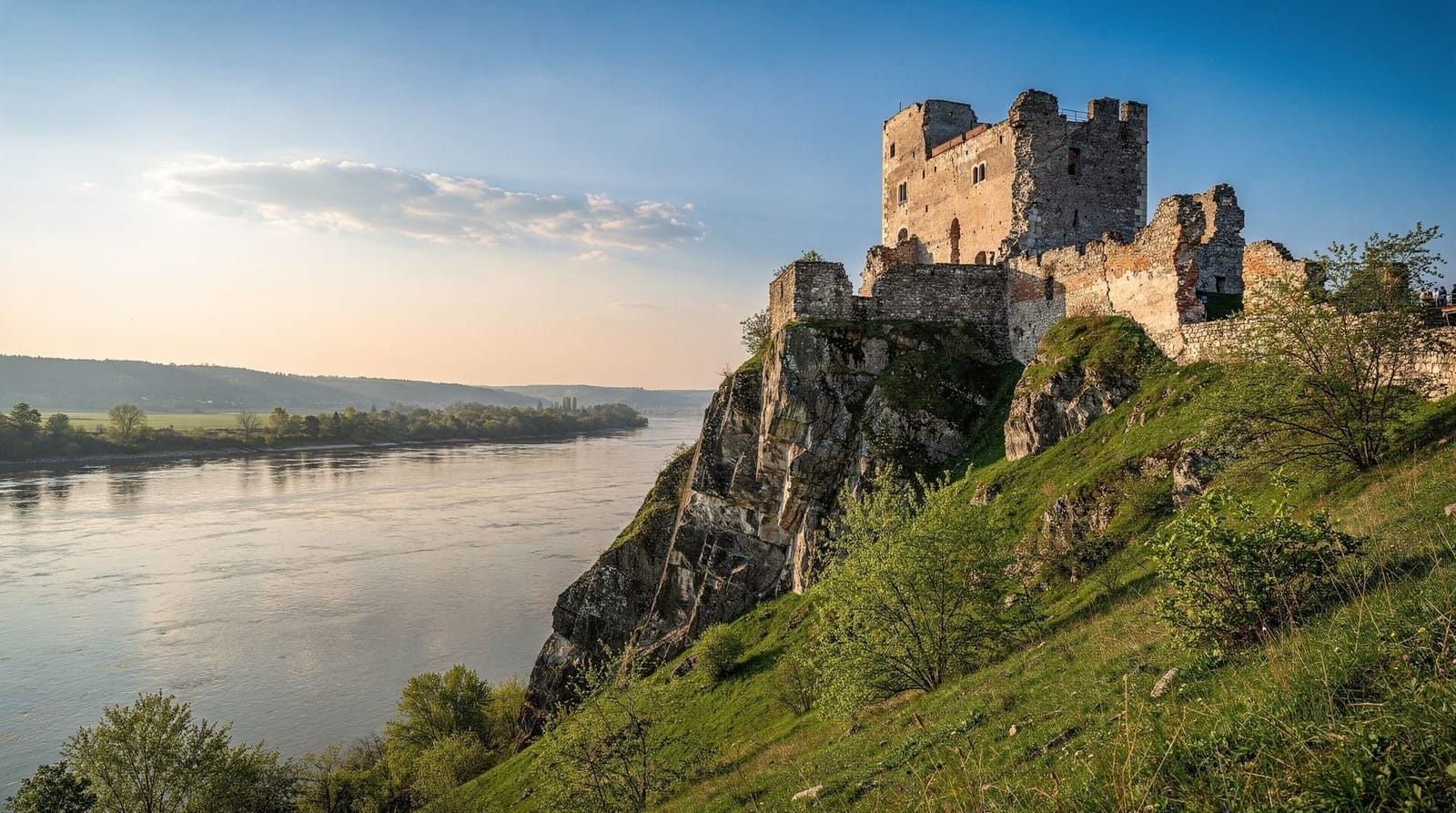
For a car-free half day, Devín Castle is the easier option; for an interior worth a guided tour, Červený Kameň is the better pick. The Bratislava Castle guide covers the city’s own hilltop fortress.
Getting to Červený Kameň
By public transport: Take a bus from Bratislava Main Bus Station to Modra (35–40 minutes, about €2.50). From Modra, connect to a bus towards Častá village (about 15–20 minutes; frequency is limited — check the imhd.sk journey planner before you go). The castle is about a 1 km walk from the Častá bus stop.
By car: From Bratislava, take the highway north to Pezinok, then continue on regional road 503 towards Modra and then to Častá. The drive takes about 40–45 minutes. Parking is available at the castle entrance and is free.
On a day tour from Bratislava: Several operators include Červený Kameň on Small Carpathians day tours, typically combined with a winery visit. This is the most convenient option if you want transport and context without the bus connection complexity.
GetYourGuideCarpathian wine tasting tour + Red Stone CastleCheck availability →Combining Červený Kameň with a wider day trip
The castle sits in the middle of the Small Carpathians wine region, making combination visits natural.
Červený Kameň + Pezinok wine tasting: Visit the castle in the morning, drive or bus back to Pezinok for an afternoon tasting at one of the town’s cellar wine bars. A full and satisfying day in one region.
Červený Kameň + Modra: Combine the castle with the pottery and wine culture of Modra. Modra has several open cellars and the ĽUdovít Štúr museum.
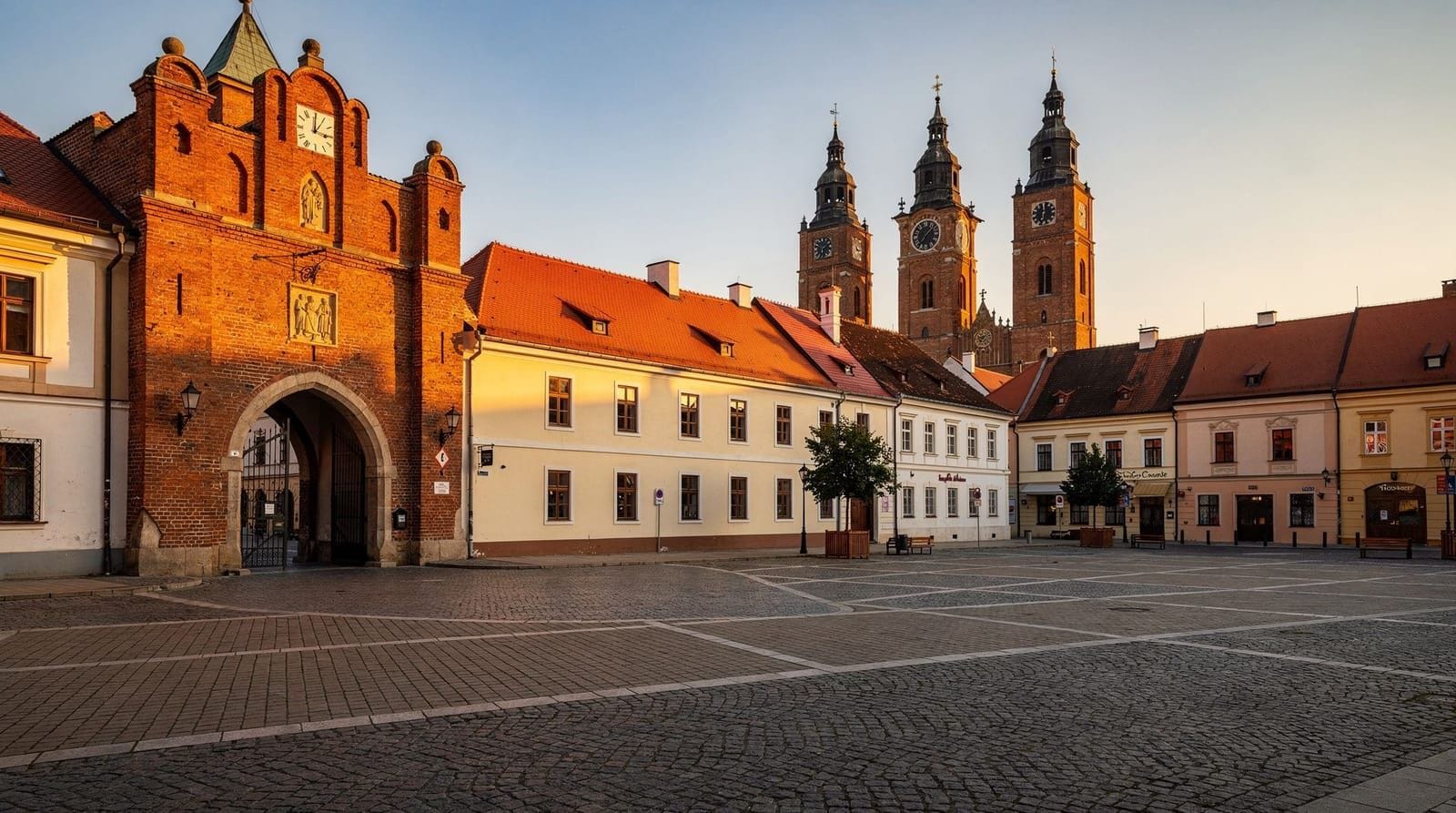
Červený Kameň + Trnava: An ambitious full day by car: morning at Červený Kameň, lunch at a local restaurant in Častá or Modra, afternoon in Trnava’s baroque old town. See Trnava.
For the full picture of the wine region, the Small Carpathians wine guide and the Small Carpathians day trip guide cover planning in detail.
Planning the day around the castle
The castle works best as the anchor of a slow, unhurried day rather than a box to tick. Because the interior is visited on a guided tour, your arrival time shapes the rest of the day: aim to reach the ticket desk with some margin, so that a missed bus connection does not cost you the tour you came for. Once the tour is done, the courtyard and the meadow below the walls reward a few extra minutes without a guide setting the pace.
If you are building a longer stay around the region, the Small Carpathians wine weekend itinerary shows how the castle fits between cellar visits, and the Pezinok and Modra wineries guide helps you choose where to stop for lunch or a tasting. Anyone who prefers to walk off the history can look at Small Carpathians hiking, since the forested slopes around the castle are part of the same range.
Travelling without a car is perfectly possible but needs preparation. The getting around Bratislava guide and the public transport guide explain how to read timetables and buy tickets before you reach the bus station. If the connection through Modra sounds like too much effort, a wine tasting tour that includes the region is a simpler way to see the area with transport arranged for you.
Think of the visit as a contrast to the rest of your trip. Bratislava’s old town is about cafés, squares and river views; here the appeal is quiet, thick stone walls and the sense that commerce, not war, shaped the place. Readers weighing how much time to give the region will find the best time to visit Bratislava useful, and those short on days can compare the castle with the options in day trips ranked.
Families should take the layout into account: towers, cellar passages and the armoury hold the attention of children, but the stairways and uneven ground call for patience. The Bratislava with kids guide has more ideas for pacing a day with younger travellers, and the Bratislava castle guide offers an easier alternative for a shorter outing.
Practical tips
Tours: Guided tours run every 30–60 minutes from the ticket desk. In summer (June–August), English tours are more frequently available. In shoulder season, you may need to join a Slovak-language tour with an English leaflet provided.
Photography: The interior is accessible for photography without flash on standard tickets. The Renaissance courtyard and the armoury are the most photogenic spaces. Exterior photography of the castle profile from the meadow below the walls is free.
Café and facilities: A small café operates at the castle entrance. There is no on-site restaurant, but Častá village has a pub-restaurant 5 minutes’ walk away.
Accessibility: The castle courtyard is partially accessible to wheelchair users. The upper floors and cellar level are not suitable without assistance.
Winter hours: Between November and March, the castle operates reduced hours (typically weekends only in December and January). Confirm before visiting in the off-season.
GetYourGuideBratislava Old Town with castle private tourCheck availability →Frequently asked questions about Červený Kameň Castle
Why is Červený Kameň Castle historically significant?
It is one of the best-preserved Renaissance mercantile fortresses in central Europe, and its connection to the Fugger banking family makes it a direct link to the financial and commercial history of the Habsburg empire. The Fuggers financed the election of Charles V as Holy Roman Emperor and were essentially the central bank of 16th-century Europe. The castle preserves the physical evidence of their central European commercial network.
Can I visit Červený Kameň without a guided tour?
The castle grounds and exterior are accessible without a tour. The castle museum interior — the great hall, armoury, treasury, and furnished rooms — requires a guided tour, which runs throughout the day. English tours are available on request, especially in summer.
How do I get to Červený Kameň from Bratislava without a car?
Take a bus from Bratislava Main Bus Station to Modra, then connect to a bus towards Častá. The total journey takes about 60–75 minutes. Bus frequency is limited, so check the timetable carefully. Alternatively, many visitors take an organised day tour that handles transport.
How long is a guided tour of Červený Kameň?
Standard tours last 45–60 minutes and cover the main furnished rooms, the armoury, the treasury vault, and the Renaissance courtyard. An extended tour that includes the cellar level runs about 90 minutes. Confirm the format at the ticket desk.
Is Červený Kameň suitable for children?
Yes. The armoury is particularly engaging for children. The castle layout — with towers, a courtyard, and cellar passages — has the physical drama that makes historic sites interesting for younger visitors. The uneven terrain and some narrow stairways require attention with small children.
Can I combine Červený Kameň with Devín Castle in one day?
It is possible but demanding without a car, since the two sites are on opposite sides of Bratislava — Červený Kameň northeast, Devín west. With a car, a full day covering both plus a wine stop is realistic; by public transport, it is more comfortable to treat them as separate half-day trips. See Devín Castle for its own logistics.