Bratislava Castle: the complete visitor's guide
Is Bratislava Castle worth visiting?
Yes. The castle grounds are free and offer spectacular Danube views. The museum inside (€10 adults, €5 concessions) is excellent for Slovak history. Budget 1.5-2 hours total.
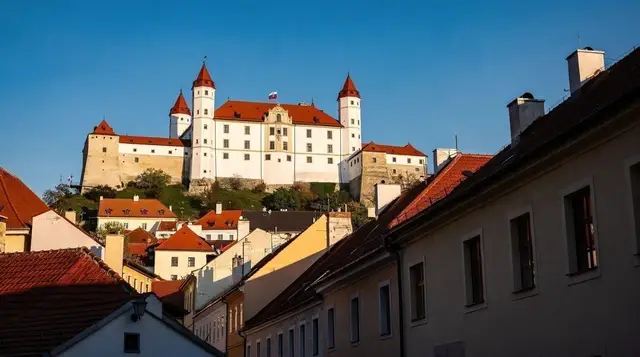
Perched on a rocky hill 85 metres above the Danube, Bratislava Castle is the most recognisable landmark in Slovakia — and arguably the most rewarding one to visit. Its four white towers give the skyline a silhouette that locals affectionately (if ironically) compare to an upturned table, and from the castle terraces you can scan three countries at once: Slovakia beneath your feet, Austria a few kilometres to the west, and Hungary visible on clear days to the south. Whether you come for the views, the 1,400-year sweep of history packed inside the museum, or simply the pleasure of wandering free-of-charge grounds above a city that still surprises most visitors, the castle repays every minute you spend on the hill.
This guide covers everything: how the castle got here, what the museum holds, which terrace to head to first, how to get up the hill without collapsing, and practical tips for getting the most out of your visit — including how to combine it with nearby sites like St Martin’s Cathedral or a day trip to Devín Castle.
| At a glance | |
|---|---|
| Where | Hilltop above the Old Town, 15–20 min walk from Michael’s Gate |
| Cost | Grounds free; museum around €10 adults, €5 concessions |
| Time needed | 1.5–2 hours for grounds and museum combined |
| Getting there | Walk up Zámocká street, the Staromestská stairs, or bus 203 |
| Best time | Before 9:00 or late afternoon to avoid the 10:00–15:00 crowds |
Four centuries of hilltop history
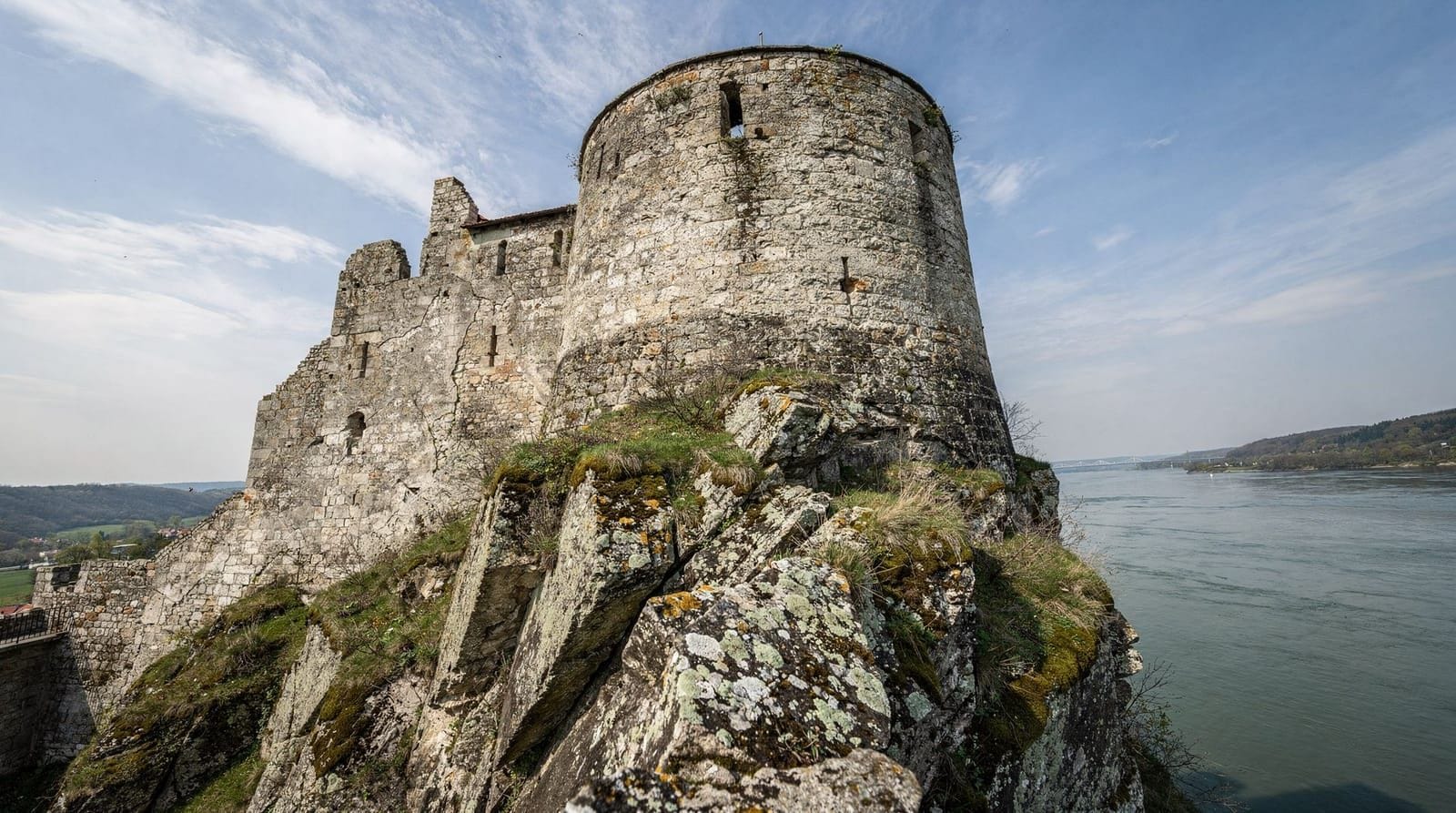
The hill beneath Bratislava Castle has been inhabited almost continuously since the Bronze Age — excavations have turned up pottery, tools, and the foundations of structures going back more than three thousand years. But the site’s political importance begins in earnest around the fifth century AD, when Celtic tribes built a fortified settlement here that took advantage of the natural defensibility of the plateau and its commanding view over the Danube crossing below.
The arrival of the Slavs and the emergence of Great Moravia in the ninth century transformed the hill into a significant power centre. By the early tenth century it had become a stronghold of the nascent Hungarian kingdom, and it is from this period that the first written references to “Bresalauspurc” — the Latin version of what would become Bratislava — date. For the next several hundred years the castle grew piecemeal: a Romanesque palace, then a Gothic reconstruction, then the addition of the four defensive towers that give the building its distinctive square plan.
The castle’s real golden age came with disaster. In 1541, the Ottoman forces of Suleiman the Magnificent captured Buda, forcing the Habsburg rulers of Hungary to relocate their court north. Bratislava — then called Pozsony by Hungarians and Pressburg by German-speakers — became the de facto capital of Royal Hungary, a status it held for nearly three centuries.
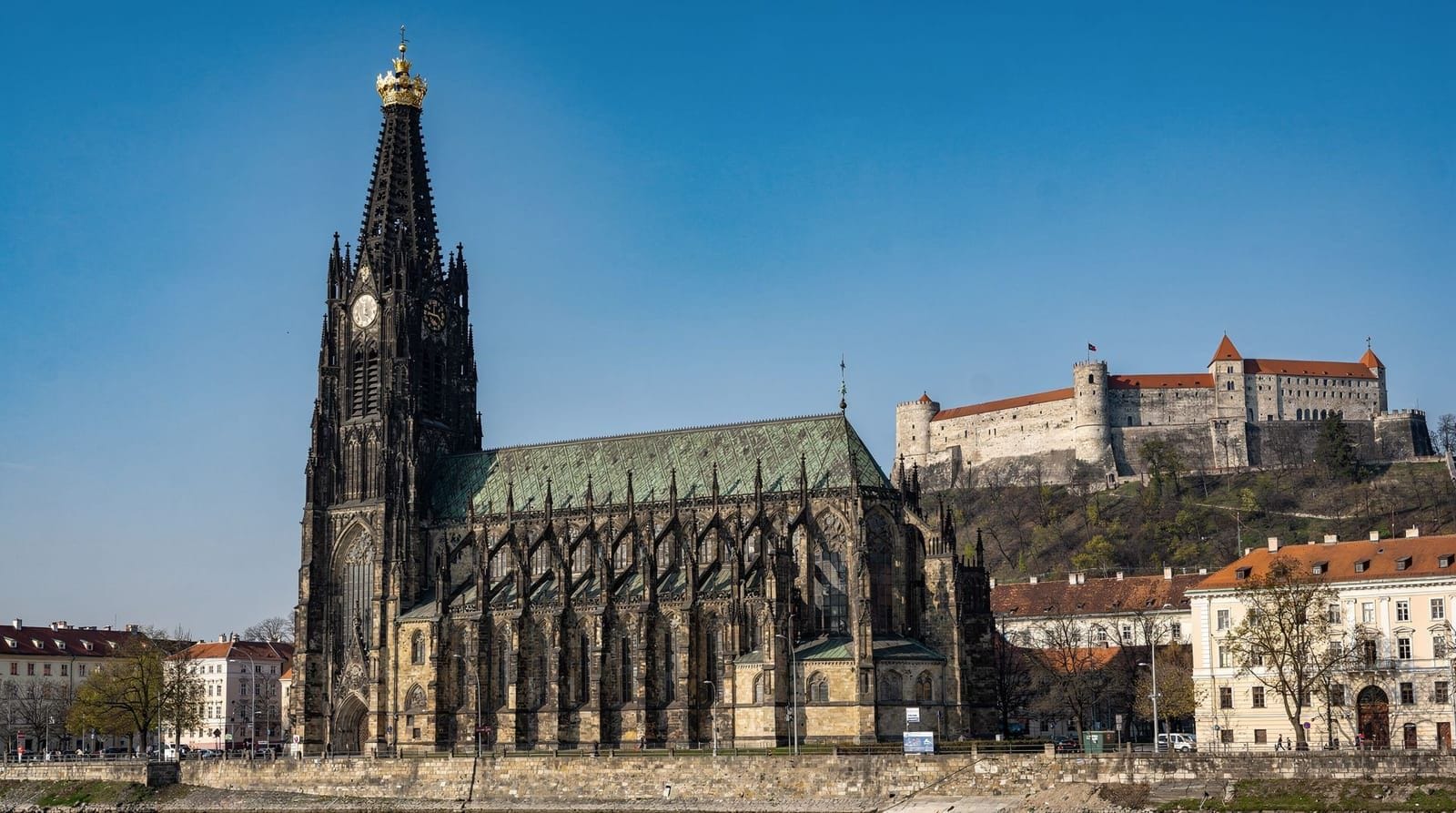
The castle became the seat of the Hungarian Diet, the coronation city for Hungarian monarchs (eleven kings and eight queens were crowned in St Martin’s Cathedral at the foot of the hill), and the home of the Hungarian Crown Jewels. It was during this era that the castle acquired genuine political weight; ambassadors arrived, treaties were signed, and the hill above the Danube became one of the more consequential pieces of real estate in Central Europe.
The Habsburg Empress Maria Theresa oversaw the castle’s most elegant transformation. In the 1760s she commissioned major Baroque renovations that turned a defensive fortress into a comfortable royal residence: new wings were added, the interior was lavishly appointed, and the grounds were landscaped into formal gardens. Her daughter, the future Marie Antoinette, spent time here. It was a period of genuine Habsburg splendour.
Then came 1811, and everything changed. A fire — started accidentally by soldiers billeted in the building — gutted the castle completely. The ruins sat exposed to the elements for nearly a century and a half, slowly crumbling, until the Czechoslovak state undertook a major reconstruction between 1953 and 1968. That reconstruction is responsible for the castle you see today: the four white towers restored to their original form, the exterior repaired, and the interior refitted to house a museum. It is not a perfect historical recreation — purists will note the heavy-handed postwar aesthetic in places — but it is a solid and substantial building that does justice to the hill it crowns.
GetYourGuideBratislava guided walking tour with castle entryCheck availability →The result is a castle that layers many different pasts on top of one another. Walk around it long enough and you will find traces of the Celtic fortifications, medieval Gothic arches, Baroque state rooms, postwar concrete, and contemporary exhibition design, all folded into a single site. That complexity is part of what makes it interesting.
GetYourGuideBest of Bratislava: views, Old Town & Devín CastleCheck availability →
What to see inside the museum
The castle houses a branch of the Slovak National Museum, and the permanent collection is considerably more impressive than the average visitor expects. The exhibition covers the full sweep of history on this stretch of the Danube, from prehistoric settlement through the Great Moravia period, the Hungarian kingdom, the Habsburg era, and up to the twentieth century.
Admission is €10 for adults and €5 for students and seniors. Children under 6 enter free. The museum is open Tuesday to Sunday, 10:00 to 18:00 from April through October, and 10:00 to 17:00 from November through March. It is closed on Mondays. Audio guides are available in English and several other languages; they are worth taking if you want the full context behind the artefacts.
The ground-floor rooms deal with prehistory and the early medieval period — Celtic metalwork, Roman-era finds from the nearby Limes Danubianus frontier, and the remarkable material culture of Great Moravia, which produced some of the most sophisticated jewellery and goldsmithing in ninth-century Europe. The Great Moravia section is one of the museum’s genuine highlights, with original ornaments, sword fittings, and religious objects that demonstrate how cosmopolitan this early Slavic kingdom was.
Further up, the rooms covering the Hungarian kingdom and the Habsburg period are densely informative. Look for the replica of the Hungarian royal crown — the Hungarian Crown of Saint Stephen, the original of which is held in Budapest’s Parliament building. The replica here is meticulously made and displayed with extensive explanation of what the crown meant politically and religiously to the kingdom of Hungary across its long history. It is not a substitute for the original, but it is a serious historical object in its own right and the context provided is excellent.
The Habsburg state apartments have been partially restored and give a sense of the grandeur Maria Theresa brought to the building in the 1760s. The music room is a particular pleasure: an elegant Baroque interior with period instruments and information about the musical life of the court. The Gothic Chapel of St George, tucked into the northern corner of the castle, is smaller than you might expect but atmospherically lit and genuinely old — parts of the structure date to the medieval fortress.
GetYourGuideBratislava Old Town with castle private tourCheck availability →The top-floor rooms circle back to more recent history, including the twentieth century, the communist period, and the eventual establishment of the Slovak Republic in 1993. The treatment of the postwar decades is notably even-handed, which is not always the case in Central European national museums — the Czechoslovak period is covered with nuance rather than simple condemnation.
For visitors primarily interested in Slovak history and culture, the museum comfortably occupies 60 to 90 minutes. Combined with the grounds and viewpoints, budget 1.5 to 2 hours for the full visit. If you are seriously interested in the prehistoric or medieval material, add another 30 minutes.
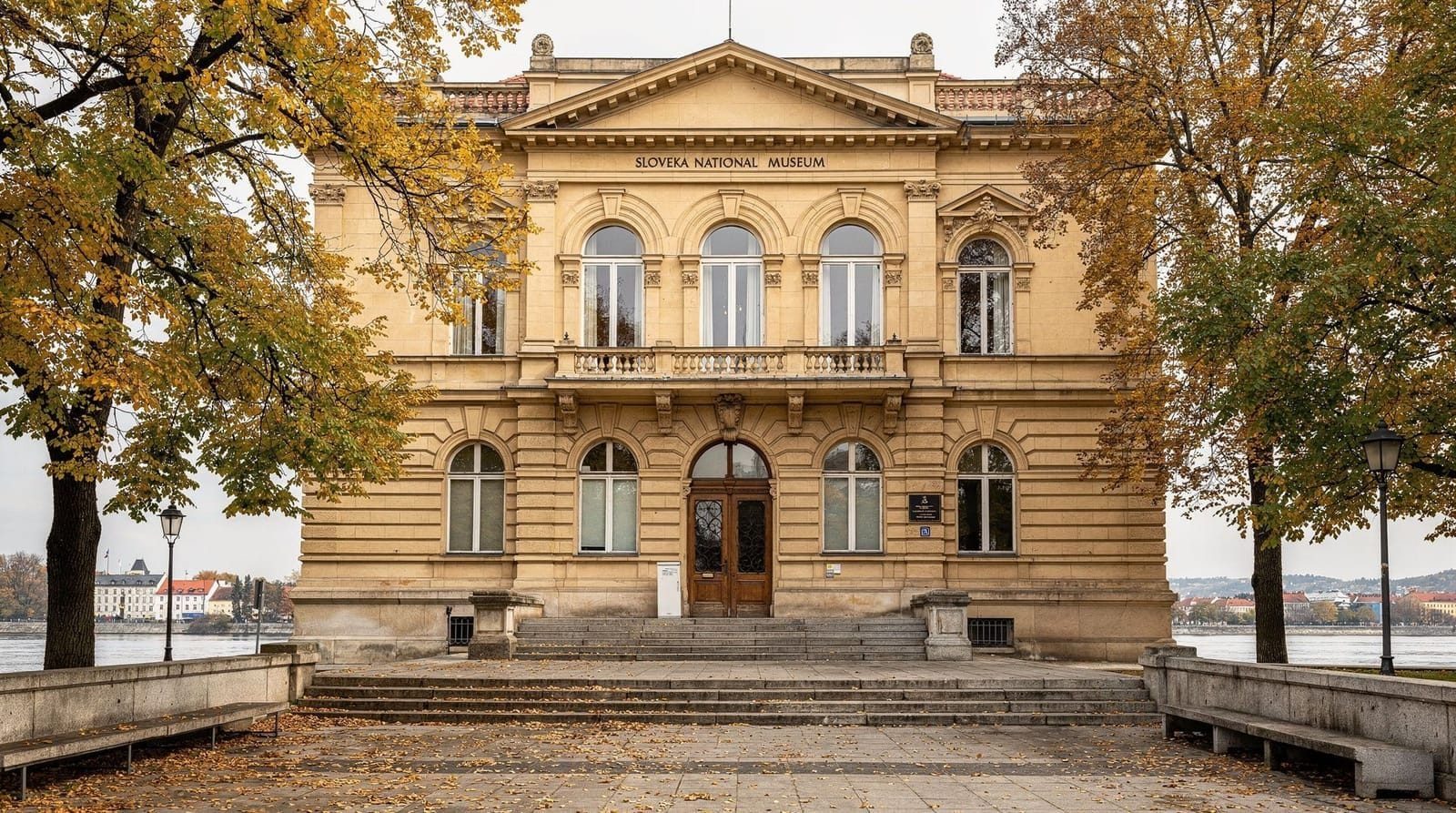
The Slovak National Museum gallery on the embankment below deals with natural history and fine art; the two collections complement each other well and together make for a substantial cultural half-day.
The castle grounds and viewpoints
Even if the museum does not tempt you, the castle grounds alone are worth the climb. Admission to the grounds is free, and they are accessible daily from roughly sunrise to sunset — there is no formal closing time for the outer areas, though the gates are locked late at night.
The north terrace is the one you have seen in every photograph of Bratislava. It faces directly over the Danube, with the SNP Bridge (the UFO bridge, as locals call it) visible to the left and the flat plains of Lower Austria stretching away to the northwest. On a clear day you can make out the hills of the Kleine Karpaten range and, in the opposite direction, the first ridges of the Austrian Alps. This is where almost everyone goes first, and for good reason: the view is genuinely spectacular, particularly in the hour before sunset when the low light catches the river and the city tiles below.
For a different perspective, walk around to the south terrace, which faces over Petržalka — the vast housing estate on the far bank of the Danube that was built during the communist era and is now home to roughly 120,000 people, making it one of the largest prefabricated-housing districts in Central Europe. It is an extraordinary sight: a sea of panel-block apartment towers stretching to the horizon, softened somewhat by the parkland running along the riverbank. If you are interested in the communist-era urban history of Central Europe, this view is as eloquent as any text. The communist and Iron Curtain history guide provides useful context for what you are looking at.
The castle gardens occupy the southern and western slopes of the hill and are pleasantly landscaped with formal hedges, lawns, and some fine old trees. They are a good place to sit and decompress after the museum, and on summer weekends you will find locals doing exactly that — reading, having picnics, letting children run around on the grass.
There is a café and restaurant inside the castle courtyard that operates during the warmer months; hours vary and it is worth checking before you make it a central part of your plans. In high summer it tends to be busy at lunchtime. The terrace seating with a view towards the Danube is pleasant if you can get a table.
For photography, the north terrace at golden hour is the obvious target, but do not overlook the view from below — the walk up the castle ramp along Zámocká street offers several spots where the whole castle rises dramatically above you, and these make for striking shots that most visitors miss because they are already focused on reaching the top. The best photo spots guide and the best views in Bratislava both cover the castle approaches in detail.
GetYourGuideBratislava Old Town & castle walking tourCheck availability →Getting to Bratislava Castle
The castle sits roughly 15 minutes on foot from the centre of the Old Town, but those 15 minutes involve a meaningful ascent. There are two main walking routes.
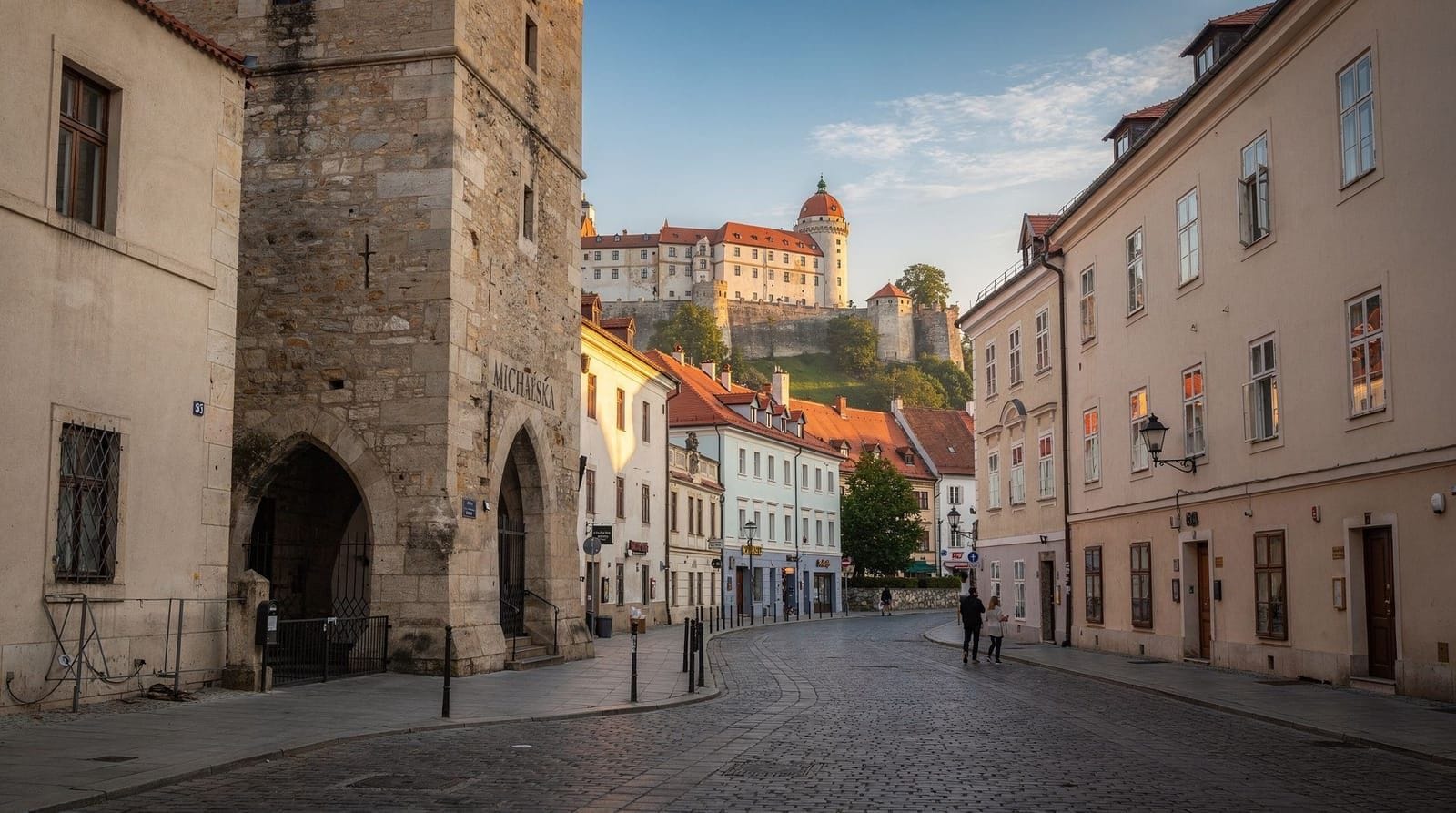
The castle ramp (Zámocká street) is the standard approach and the most gradual. From the Old Town, head west past Michael’s Gate and follow Zámocká street as it winds upward through a quiet residential neighbourhood. The path is paved and well-maintained, with handrails on the steeper sections. It deposits you at the castle’s eastern gate. Allow 15 to 20 minutes at a moderate pace.
The stairs from Staromestská offer a steeper but faster ascent from the embankment side, near the SNP Bridge. These are proper stone stairs carved into the hillside and take around 10 minutes of brisk climbing. They are fine for reasonably fit visitors but not suitable for pushchairs or wheelchairs.
Bus 203 serves the castle from the Old Town and from further afield; the stop at the top is a short walk from the main gate. This is the sensible option in very hot weather, when you are travelling with young children, or when mobility is a concern. Check the DPB (Bratislava Public Transport) app for current schedules.
By car, there is limited parking on the hill, but it is difficult and expensive in peak season. The Old Town is largely pedestrianised and the walk from any of the nearby car parks is comparable to walking from the city centre. Unless you have a specific reason to drive, public transport or walking is better.
The castle is very well placed for combining with other Old Town sights. St Martin’s Cathedral is directly at the base of the hill and logically visited either before or after the castle. The full Old Town walking guide maps out a route that takes in both sites along with Michael’s Gate and the main squares. If you are working through an ambitious single day, the Bratislava in one day guide shows how to sequence the castle, the cathedral, and the Old Town without feeling rushed.
For a combined day out, Devín Castle — a dramatically ruined medieval fortress at the confluence of the Danube and Morava rivers, 12 km west of Bratislava — makes an excellent pairing. Bus 29 runs directly from the Nový Most stop near the SNP Bridge. The Devín Castle guide has full details on getting there and what to expect. The two castles are quite different in character — Bratislava is a reconstructed palace-museum, Devín is atmospheric and partially ruined — and together they give a complete picture of the region’s fortified past.
Tips for making the most of your visit
Arrive early or late. The castle grounds get busy between 10:00 and 15:00, particularly in July and August. If you arrive by 9:00 you will have the north terrace almost to yourself for the view. Late afternoon is equally good, with the added bonus of better light for photography.
Check the museum’s closing day. Monday closures catch visitors out more often than any other practical detail. If your only full day in Bratislava is a Monday, you can still visit the grounds and terraces for free — but plan the museum for a different day, or visit the Slovak National Museum gallery on the embankment instead.
Wear comfortable shoes. The cobbled courtyard and the ramp approach are harder on thin-soled footwear than they look. This matters particularly for the stairs route.
The Bratislava City Card covers museum admission (along with public transport and many other museum entries). If you are spending two or more days in the city and planning to visit multiple attractions, it often works out better value. The City Card guide breaks down the maths for different itinerary types.
Combine with the UFO observation deck on the SNP Bridge for a different perspective on the same panorama. The castle and the UFO deck look at each other across the Danube from roughly the same elevation; visiting both gives you the full 360-degree picture of the city.
Budget travellers should note that the grounds are one of the genuinely free highlights in Bratislava — no ticket, no time limit, just show up and enjoy the view. The budget guide lists other free or low-cost highlights in the city.
Getting around between the castle and other sights is straightforward on foot for most Old Town attractions, but the getting around Bratislava guide covers trams, buses, and the practicalities of moving between different neighbourhoods.
GetYourGuideBratislava grand city tour with Devín CastleCheck availability →Guided tours are worth considering if you want depth rather than breadth. A guide can unlock the layers of history that are easy to miss when walking alone — particularly the less obvious details of the medieval and Great Moravia periods that the museum covers well but that benefit from live explanation. Several operators run castle-focused tours that combine the interior with the Old Town and the cathedral.
If you are wondering whether Bratislava itself is worth a detour, the is Bratislava worth visiting guide addresses that question directly. The short answer: for most visitors coming from Vienna or Budapest, it very much is — and the castle is a significant part of why.
Beyond the castle hill: extending your visit
The castle sits at the centre of a cluster of sights that reward extra time if the museum and terraces alone leave you wanting more. Directly below, St Martin’s Cathedral is where Hungarian monarchs were actually crowned during the centuries when the castle served as the seat of the Hungarian Diet — visiting both together makes the coronation-era history click in a way that either alone does not. A short walk further into the Old Town brings you to Michael’s Gate and the network of streets covered in the Old Town walking guide.
For travellers with a full day to give the castle and its surroundings, the Bratislava in one day itinerary sequences the hill alongside the Old Town’s other highlights without doubling back on yourself, and the three-day Bratislava itinerary spreads the castle across a longer, less rushed schedule. If you are travelling with children, note that the ramp route and lift-accessible museum floors make the castle one of the more manageable half-days in the city — see the Bratislava with kids guide for more family-specific planning.
Frequently asked questions about Bratislava Castle
How long should I spend at Bratislava Castle?
Allow 1.5 to 2 hours if you are visiting both the museum and the grounds. The grounds alone — viewpoints, gardens, courtyard — can be done in 45 minutes, though you may want longer on the north terrace. The museum takes 60 to 90 minutes for a thorough visit. If you are a history enthusiast, budget closer to 2.5 hours total.
How much does it cost to enter Bratislava Castle?
The castle grounds are free. The Slovak National Museum inside the castle charges €10 for adults and €5 for students, seniors, and concession holders. Children under 6 are free. The Bratislava City Card covers museum admission — see the City Card guide for whether it makes sense for your visit.
What are the castle’s opening hours?
The grounds are accessible daily from roughly sunrise to sunset with no formal ticket or time restriction. The museum is open Tuesday to Sunday: 10:00 to 18:00 from April through October, and 10:00 to 17:00 from November through March. The museum is closed on Mondays.
Is Bratislava Castle the original medieval building?
Not exactly. The castle was gutted by a fire in 1811 and left as a ruin for over a century. The building you see today is largely the result of a reconstruction completed between 1953 and 1968, which restored the four towers and the exterior. Some original medieval fabric survives in the foundations and in the Gothic Chapel of St George, but the interiors are mostly postwar. The reconstruction aimed for historical accuracy in the exterior form even if it introduced some period-typical (and now somewhat dated) postwar aesthetics inside.
Can I walk to the castle from the Old Town?
Yes, easily. The standard route along Zámocká street takes about 15 to 20 minutes at a moderate pace on a well-maintained paved ramp. The steeper stair route from the embankment near Staromestská takes around 10 minutes. Both are manageable for most visitors. Bus 203 is available for those who prefer not to climb.
Is the castle accessible for visitors with mobility needs?
The castle ramp on Zámocká street is the most accessible approach — it is paved and gradual, with handrails on the steeper sections — though it is still a meaningful incline. The bus (203) drops you closer to the main gate. Inside, the museum has lift access to most floors. The southern gardens are largely flat once you are on the plateau. Contact the Slovak National Museum in advance if you have specific accessibility requirements.
What is the best viewpoint at the castle?
The north terrace is the classic choice, with the full Danube panorama, the SNP Bridge, and the Austrian plains visible in clear conditions. For something less photographed and genuinely striking in its own way, the south terrace looks over Petržalka and offers an unexpected encounter with communist-era urban planning on a massive scale. Both are worth the few minutes it takes to walk between them. For sunset, the north terrace is hard to beat — the light on the river is exceptional. See the best views in Bratislava guide for a broader survey of the city’s panoramas.
Can I visit Bratislava Castle and Devín Castle in the same day?
Yes, and it makes an excellent combination. Visit Bratislava Castle in the morning, spend time in the Old Town over lunch, then take bus 29 from Nový Most to Devín in the afternoon. The bus ride is about 30 minutes each way. Devín’s grounds close at 18:00 in summer (17:00 in shoulder season), so aim to arrive by 15:00 at the latest for a comfortable visit. The Devín Castle guide has full timetables and practical details. This combination also fits neatly into the two-day Bratislava weekend itinerary.
Is there somewhere to eat at the castle?
There is a café and restaurant in the castle courtyard, but it operates seasonally (primarily spring through autumn) and hours can be irregular — it is best treated as a pleasant bonus if it is open rather than a planned lunch destination. For reliable food options, the Old Town at the base of the hill has a dense concentration of restaurants and cafés at every price point. The where to stay and neighbourhoods guide covers the areas around the castle foot where good eating options cluster.
tours.castle
Verified deep-linked GetYourGuide tours. Book through these links and we earn a small commission at no cost to you.
GetYourGuide does not provide product photos: on its activity cards, the picture illustrates the type of experience and is not the operator's own photo.