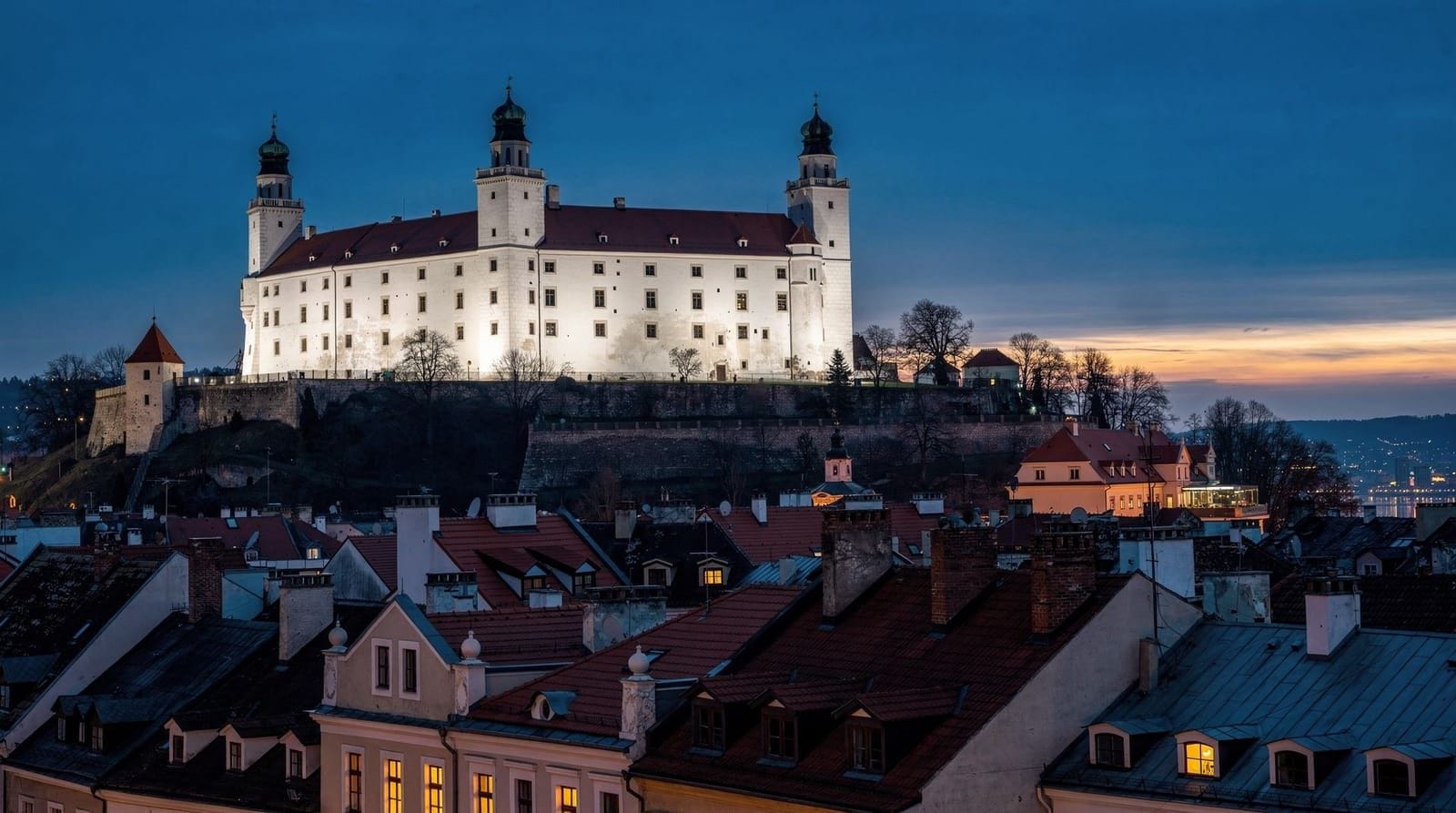
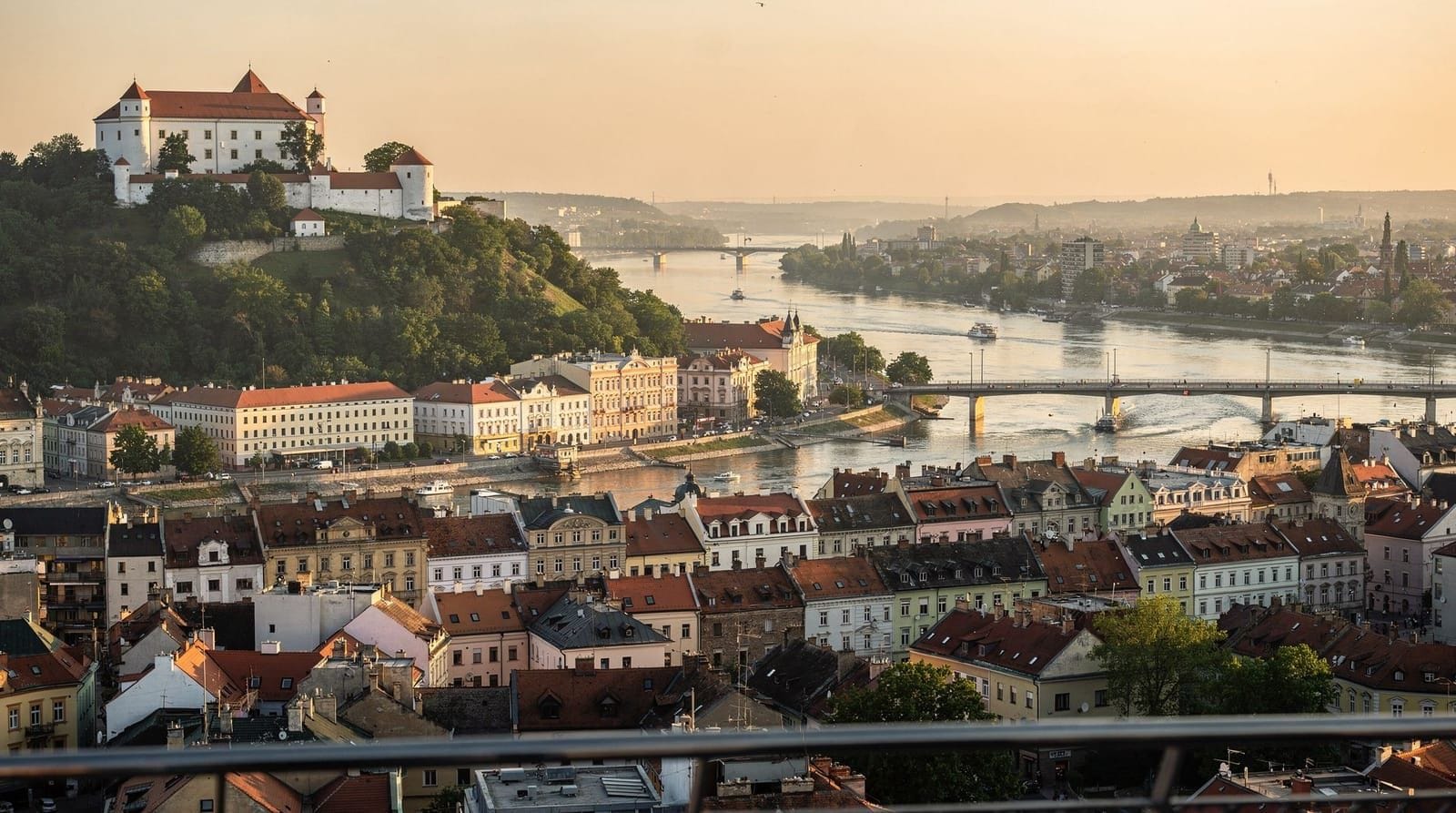
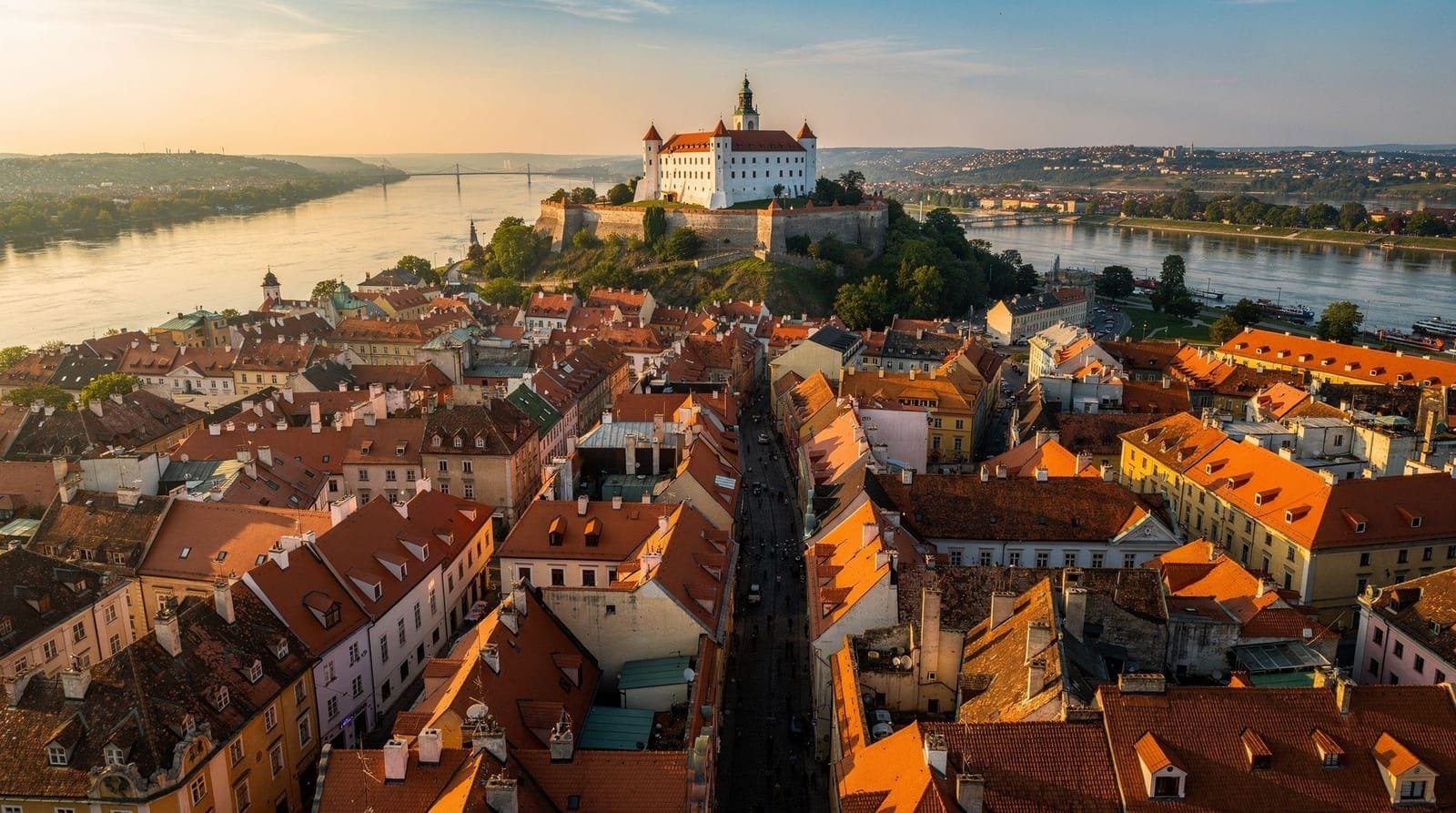
Best photo spots in Bratislava: 12 views you'll want to capture
Bratislava is not the easiest city to photograph. It is small enough to cross in an afternoon, compact enough that you can hit every major viewpoint in two days — but it is also a city where timing matters enormously. The old town fills up fast in summer. The light on the castle shifts dramatically between morning and late afternoon. And some of the best shots here require a bit of walking, a bit of patience, or just showing up before 9am when the tour groups arrive.
This guide goes through 12 spots in detail — not just where to stand, but when to go, what the light does, how crowded it gets, and what lens or focal length makes the most sense. Whether you are shooting on a mirrorless camera or a phone, the principles are the same.
If you want someone to walk you through the old town with a photographic eye, the old town walking guide is a good complement to this piece. And if you are planning your broader itinerary around photography, the Bratislava in one day guide helps sequence the spots efficiently.
At a glance
| Spots covered | 12, from the UFO bridge deck to quiet backstreets |
| Cost | Mostly free; ticketed spots range roughly 5–12 € |
| Time needed | A full day if hitting every spot, half a day for the highlights |
| Best gear | A wide-angle (16–24mm) and a short telephoto (50–85mm) cover almost everything here |
| Best time | Early morning and golden hour, both to beat crowds and for the best light |
UFO observation deck on SNP Bridge
The UFO restaurant-bar sits atop the asymmetric pylons of the Most SNP (New Bridge), the flying-saucer structure that locals either love or consider a communist-era eyesore — or both. The observation deck is accessed by lift from the bridge’s south side.
Best time: Sunset through to dusk. The city lights start appearing around golden hour, and by blue hour — roughly 20–30 minutes after sunset — you get the full effect of the illuminated old town and castle reflected across the Danube. This is the one shot in Bratislava that genuinely benefits from artificial light.
Light direction: Facing northeast toward the old town and castle, the late afternoon light hits the facades of the old town from the west — which means the buildings are nicely lit as the sun drops. After sunset, artificial lights take over and the direction stops mattering.
Access and cost: Lift access is 12 € (refundable if you order food or drink inside). No stairs alternative. Wheelchair accessible via the lift. The deck itself is small — maybe 30 people at capacity before it feels crowded.
Crowds: In summer, expect a queue at sunset. Arrive 30–40 minutes before sunset to secure a good position on the railing. The deck wraps 360 degrees, so there are usable spots in every direction.
Focal length: A wide-angle (16–24mm on full frame) captures the full sweep of the old town. For compression of the castle against the cityscape, something in the 50–85mm range works well. Bring a small tripod or use the railing — the wind up there can be significant.
The UFO observation deck guide has ticketing details and restaurant information if you want to combine the shot with dinner.
Bratislava Castle terrace
The castle terrace on the east side faces directly over the old town and the Danube. It is free once you have entered the castle grounds (the outer area, not the museum inside), and it is one of the most versatile shooting positions in the city.
Best time: Morning, especially 7–10am on a clear day. The sun rises to the east, which means early morning light falls on the city from behind you — front-lighting the old town rooftops and the Danube. In summer, the terrace is empty at 7am and filling up by 10am.
Light direction: East-facing. Morning is ideal for the city below. Late afternoon puts the old town in shadow from the castle hill, which works less well unless you are shooting silhouette-style.
Access: Free. The path up from Zámocké schody (Castle Steps) is the most photogenic approach, with opportunities along the climb itself. Steps only — not wheelchair accessible via the scenic route, though a road approach from the back exists.
Crowds: This is one of the busiest spots in the city by 11am. Arrive early or wait until late afternoon when most day trippers have moved on.
Focal length: Wide-angle to capture the castle fortifications in the foreground with the city behind. A 24–70mm zoom covers most scenarios here.
The Bratislava Castle guide covers the full site including museum entry and the best walking approach.
GetYourGuideBest of Bratislava: views, Old Town & Devín CastleCheck availability →Michalská brána looking down the street
Michalská brána — Michael’s Gate — is the last surviving medieval tower in the old town. But the most interesting photograph here is not of the gate itself; it is from the tower looking south down Michalská ulica, the pedestrianised street lined with pastel Baroque and Gothic facades.
Best time: Early morning (before 9am) or late afternoon. Midday light is harsh and the street is at its most crowded. Morning gives you soft directional light and almost no pedestrians in frame.
Light direction: Michalská ulica runs roughly north–south. In the morning, eastern light catches the left-hand facades. In the late afternoon, western light hits the right side. Both work — pick whichever side you want lit.
Access: Climbing the tower costs a few euros. The gate itself and the street below are free to walk.
Crowds: The gate area is busy from 10am onward. For the best clean street shot from above, you need to be up in the tower during a quiet moment — which usually means early.
Focal length: From the tower looking down, a moderate telephoto (85–135mm) compresses the street beautifully, stacking the facades. From street level looking up at the gate, wide-angle shows the full tower in context.
The Michalská brána guide has opening hours and the small museum inside the tower.
Blue Church (Church of St Elisabeth)
The Blue Church is one of Bratislava’s most photogenic buildings — a pale powder-blue Art Nouveau church from 1913 that looks almost too soft and decorative to be real. It sits just outside the old town walls, a short walk from Michalská brána.
Best time: Dawn, ideally between 6:30am and 8:30am. The building faces roughly east, which means early morning light falls directly on the facade. More importantly, this is when the square in front is empty. By 9am there are already tourists. By 10am there are organised groups. The blue is most saturated in soft morning light — harsh midday sun bleaches it.
Light direction: East-facing facade. Morning is the clear winner. On overcast days the building is also beautifully even-lit without harsh shadows.
Access: Free exterior. The interior is open for services and occasional visiting hours — check locally.
Crowds: By tourist spot standards it is never as packed as the castle or old town square, but small crowds appear by mid-morning.
Focal length: A 24–35mm lens captures the whole building including the decorative gate and surrounding context. For detail shots of the tiles and ornamental work, 85–100mm flatters the geometry.
Read more in the Blue Church guide.
Slavín hill and monument
Slavín is the Soviet-era war memorial on a forested hill to the northwest of the old town — a tall obelisk with a soldier on top, surrounded by the graves of over 6,800 Soviet soldiers who died taking Bratislava in April 1945. The views from the hilltop are among the best panoramic shots you can get in the city, and it is completely free.
Best time: Late afternoon to golden hour. The city faces roughly southeast from Slavín, so afternoon light from the southwest hits the buildings across the Danube and the old town in flattering tones. On clear days you can see the hills of Austria and Hungary.
Light direction: Facing southeast from the hilltop. Afternoon is optimal; midday is flat.
Access: Free, always open. A steep but short walk from Palisády street. No public access issues. The hill is wooded and pleasant in summer.
Crowds: This is primarily a local spot. You will see Slovak families, joggers, and dog walkers, but almost no organised tour groups.
Focal length: Wide-angle for the full panorama. Telephoto to compress the cityscape and pick out landmarks like the castle or UFO bridge.
Devín Castle clifftop
Devín Castle sits on a dramatic cliff 9km west of Bratislava, at the confluence of the Danube and the Morava rivers. The ruins occupy a rock formation that drops steeply to the water on two sides — a naturally cinematic composition.
Best time: Late afternoon with a dramatic sky. Overcast and stormy conditions make the ruins look genuinely ancient. Golden hour light from the west catches the rock face and water simultaneously.
Light direction: The cliff faces mostly south and east. Late afternoon light (from the southwest) is the best — it wraps around the rock and illuminates both the ruins and the river below.
Access: Devín is about 20 minutes from Bratislava by bus (bus 29 from Most SNP). Entry to the castle site is around 8–10 €. Some areas require climbing on stone paths. Wheelchair access is limited.
Crowds: Weekends can be busy in summer, but it never approaches old town levels. Early afternoon on a weekday is usually quiet.
Focal length: Wide-angle for the full ruin-and-river composition. Telephoto from the far bank of the Danube (accessible by walking further along the Austrian side) for compression of the cliff against the castle walls. This second angle is underused.
The Devín Castle guide covers transport, opening hours, and what to see inside.
GetYourGuideBratislava Old Town with castle private tourCheck availability →Čumil — the Man at Work statue
Čumil is a bronze figure of a man peeking up from a manhole in Panská ulica, grinning. He is one of the most-photographed objects in the city, which means the challenge is getting a shot that does not look like every other tourist photo.
Best time: Very early morning or late evening. At noon in summer there is a persistent scrum of people taking the same over-the-shoulder shot. At 7am the street is empty.
Light direction: Panská ulica runs roughly north–south. Soft morning or evening light from a low angle creates interesting shadows on the figure and the cobblestones. Harsh overhead midday light flattens everything.
Access: Free. Street-level. No barriers.
Crowds: Extremely popular during the day. Patience or early rising is the solution.
Focal length: Get low — shooting from ground level at the statue’s eye height produces the most interesting perspective. A 35mm or 50mm lens at low angle distorts slightly in an interesting way. Avoid shooting from standing height, which is the obvious and least interesting angle.
Danube riverfront at sunset
The stretch of the Danube riverfront between the old town ferry landing and the Most SNP bridge gives you the classic shot of the UFO bridge with the castle in the background — but the best version of this photograph requires patience and positioning.
Best time: Sunset. The castle and old town glow from behind as the sun drops in the west. The bridge is illuminated and reflects in the Danube when the water is calm. This window lasts about 20 minutes.
Light direction: Facing west and southwest. The setting sun is behind the UFO bridge and castle — which means you are shooting into the light, making this a silhouette or partially silhouetted composition. Add cloud for drama.
Access: Free, always open. The riverfront promenade is flat and easy to walk.
Crowds: This is a popular evening walk for locals. You will have people in frame — in summer, the promenade is busy until 10pm or later.
Focal length: A moderate telephoto (70–135mm) compresses the bridge and castle together. Wide-angle from the riverfront itself shows the breadth of the scene.
Hviezdoslav Square at night
Hviezdoslav Square (Hviezdoslavovo námestie) is the long, elegant boulevard between the Slovak National Theatre and the old town, lined with trees and fountains. At night, with the fountains lit and the theatre illuminated, it is one of the best evening shots in the city.
Best time: After dark, ideally when the fountains are running (they are typically on until 11pm in summer). Blue hour gives the sky a deep blue that contrasts well with the warm artificial light.
Light direction: N/A — this is an artificial-light shot. The theatre facade faces north; the fountains run down the centre. Shooting from the east end toward the theatre gives the best compositional axis.
Access: Free, always open. The square is entirely flat and accessible.
Crowds: Busy until late in summer. People walking through the fountains are part of the shot — lean into it.
Focal length: Wide-angle to take in the full length of the square. A 16–24mm shows the trees arching overhead and the theatre in the distance.
Old town rooftops from the castle tower
The castle’s main tower can be climbed (included in the castle museum ticket, around 12 €) and gives a different vantage point from the terrace — looking directly down onto the old town’s rooftops, the cathedral spire, and the old town square below.
Best time: Mid-morning. Unlike the terrace, the tower view looks west and south, so morning light (from the east) illuminates the rooftops you are shooting toward. It is a more intimate, compressed composition than the big panoramas.
Light direction: West-facing. Morning works well. Late afternoon puts much of the roofscape into shadow.
Access: Museum ticket required (~12 €). Stairs — no lift. The tower climb is steep and narrow.
Crowds: Fewer people make it up the tower than the terrace. Mid-morning weekdays are the quietest.
Focal length: 50–85mm compresses the rooftop geometry. Wide-angle can work but produces more distortion looking down.
Kapitulská ulica — the cobblestone backstreet
Kapitulská ulica is a quiet cobblestone lane that runs along the south side of St Martin’s Cathedral, between the old town and the castle hill. It is rarely crowded, lined with old stone walls and lanterns, and in golden hour the paving stones glow.
Best time: Golden hour — 30–60 minutes before sunset. The lane runs roughly east–west, so late afternoon light cuts along it at a low angle, catching the cobblestones and creating long shadows from the walls.
Light direction: East–west orientation. Evening golden hour hits the west end beautifully.
Access: Free, always open. Cobblestones — manageable but uneven underfoot.
Crowds: Very few tourists come here, even in high season. You may have the lane almost to yourself even in summer.
Focal length: A 35–50mm at eye level shows the lane’s character. A longer lens from one end looking toward the other compresses the walls together.
The St Martin’s Cathedral guide covers the cathedral itself, which anchors one end of this lane.
Rybné námestie and Zámocké schody
Rybné námestie (Fish Square) at the bottom of the Castle Steps (Zámocké schody) is the transition point between the old town and the castle hill — a small square with a fountain, surrounded by old walls, at the foot of the stone staircase that winds up to the castle.
Best time: Late afternoon. The steps face roughly west and south, so afternoon light catches the stone walls and the rising staircase in warm tones. The square itself is at the edge of the old town and gets long directional shadows from the castle hill above.
Access: Free, always open. The steps require climbing — there is no lift equivalent.
Crowds: Moderate. Tour groups pass through on their way up to the castle but rarely linger here. Early afternoon is quieter than morning.
Focal length: A 24–35mm wide-angle from the bottom of the steps looking up shows the full staircase rising toward the castle walls. From partway up the steps looking back down toward the square gives a different, compressed perspective with a 50–85mm.
For a guided introduction to the old town walking guide spots that ties into many of these locations, a walking tour is worth considering — especially on your first day in the city, when orientation matters as much as photography.
If you are planning your full visit around photography, the Bratislava weekend itinerary gives a day-by-day structure that sequences these spots efficiently. And the best views guide gives additional context on the castle viewpoints specifically.
The Bratislava City Card covers entry to the castle museum and tower, and may be worth it if you are hitting multiple paid sites in a single day.
One last note: the Blue Church and Michalská brána are within a five-minute walk of each other, and the same early morning slot covers both. That is probably the most efficient photo morning you can have in Bratislava.
Shooting in bad weather
Don’t write off overcast or rainy days. Flat grey light is actually kind to the pastel facades on Michalská ulica and the Blue Church, removing the harsh shadows that midday sun creates. Fog off the Danube — most common in autumn and winter mornings — makes the UFO bridge look genuinely dramatic, with the pylons emerging from the mist. The one spot to avoid in bad weather is Slavín and the Devín clifftop, where wind and slippery paths make handheld long exposures difficult.
Frequently asked questions about Best photo spots in Bratislava
What is the single best photo spot in Bratislava?
For most visitors it’s the UFO observation deck at blue hour — the combination of the illuminated old town, castle, and Danube reflection is unique to Bratislava. For a free alternative with almost no crowds, Slavín hill gives a comparable panorama.
Do I need a professional camera to get good shots in Bratislava?
No. Most of the spots in this guide — Čumil, Kapitulská ulica, the Blue Church exterior, the Danube riverfront — work well on a modern phone camera, especially in good light. A dedicated camera helps most at the UFO deck at night and for compressed telephoto shots from Slavín or the castle tower.
Culture & heritage tours
Verified deep-linked GetYourGuide tours. Book through these links and we earn a small commission at no cost to you.