Devín Castle day trip from Bratislava: ruins, river views, history
How far is Devín Castle from Bratislava?
Devín Castle is 9 km west of Bratislava's Old Town — about 20–25 minutes by bus 29 from Most SNP stop, or a 2-hour scenic bike ride along the Danube.
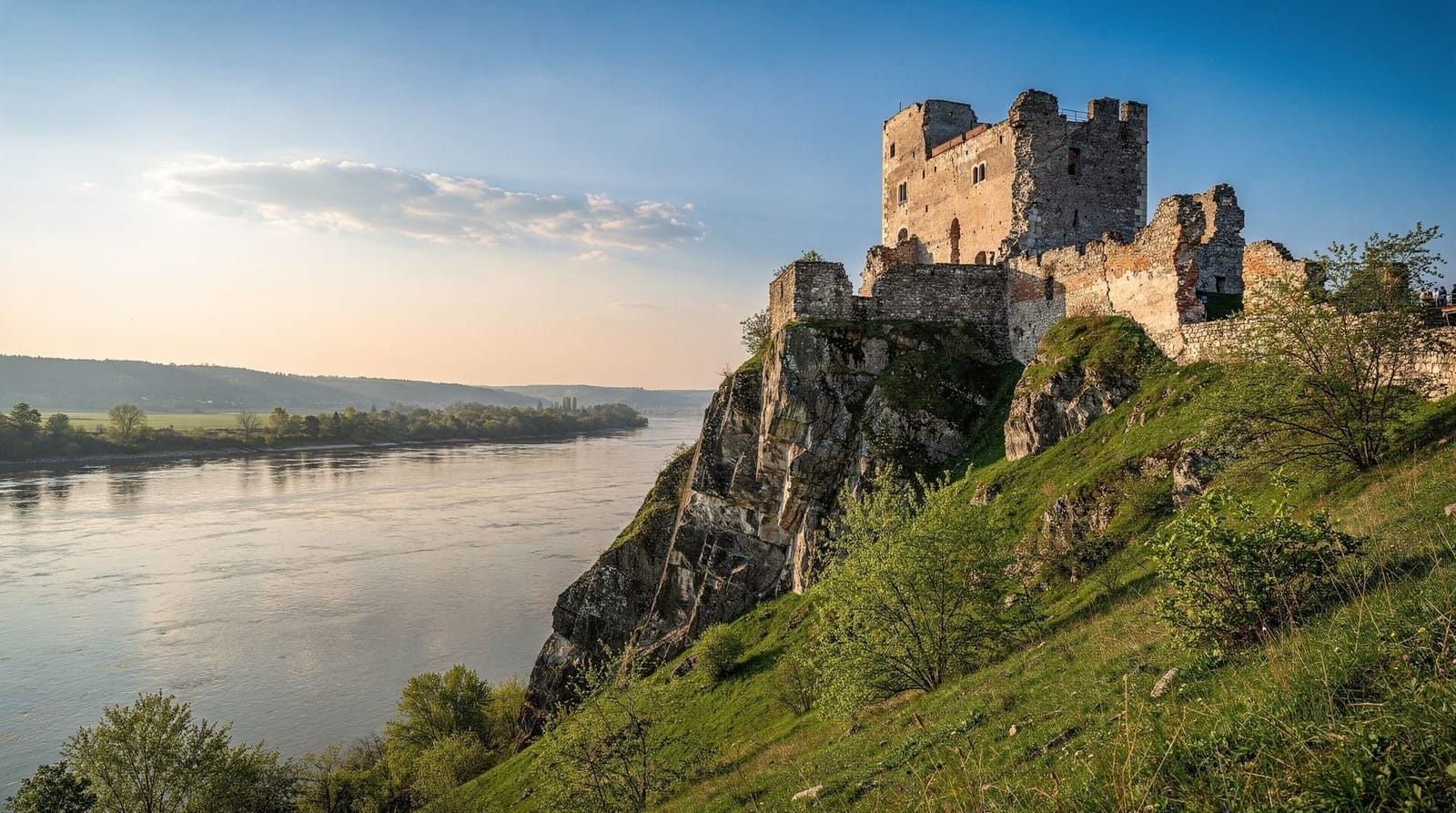
Devín Castle sits at the confluence of the Danube and the Morava rivers, a rocky outcrop of ruins perched on a cliff 212 metres above the water, commanding views into both Slovakia and Austria. It is one of the most dramatically situated castle ruins in Central Europe, and it sits just 9 kilometres west of Bratislava’s Old Town — close enough to reach by bus in under 25 minutes, or by bicycle in a scenic two-hour ride along the Danube cycle path. Yet most visitors to Bratislava have never heard of it. This is one of the genuinely underrated experiences in the region: a place of real historical depth, physical drama, and a natural beauty that rewards arriving without expectations.
This guide covers how to get to Devín, what the ruins contain, the layered history of the site (Celtic, Roman, Great Moravia, Habsburg, and Iron Curtain chapters all present), practical details like current entry fees and seasonal opening hours, the best viewpoints, hiking options, and what to do at the base of the cliff.
| At a glance | |
|---|---|
| Where | 9 km west of Old Town, at the Danube-Morava confluence |
| Cost | Bus ticket ~1.10 EUR; castle entry around 5 EUR adult (reduced ~2.50 EUR) |
| Time needed | 20–25 min by bus, or ~1.5–2 hrs by bike; allow 2–4 hrs for the full visit |
| Getting there | Bus 29 from Most SNP, bike via EuroVelo 6, or taxi/tour |
| Best time | April–October only (castle closed Nov–Mar); May–June and Sept–Oct for fewer crowds |
Getting to Devín Castle from Bratislava
By bus — the easiest option
Bus 29 runs directly from the Most SNP stop in central Bratislava (at the south end of Nový Most bridge, near the Old Town) to the village of Devín, with a stop at the castle entrance. The journey takes approximately 20–25 minutes depending on traffic. Buses run roughly every 20 to 30 minutes on weekdays and hourly on weekends, though schedules should be confirmed on the Bratislava MHD journey planner before setting out.
The bus uses the standard Bratislava public transport ticket system. A single-ride ticket costs €0.90 for 15 minutes or €1.10 for 60 minutes; both cover the journey to Devín comfortably. Buy tickets at the orange ticket machines at the Most SNP stop or in the Dopravný podnik app. Note: inspectors do board, and the on-the-spot fine for travelling without a valid ticket is significant.
Alight at the Hrad (Castle) stop rather than the village centre stop — the castle stop puts you at the main entrance gate at the foot of the rock. From there, the path to the ticket office is about a 3-minute walk.
By bicycle — the scenic option
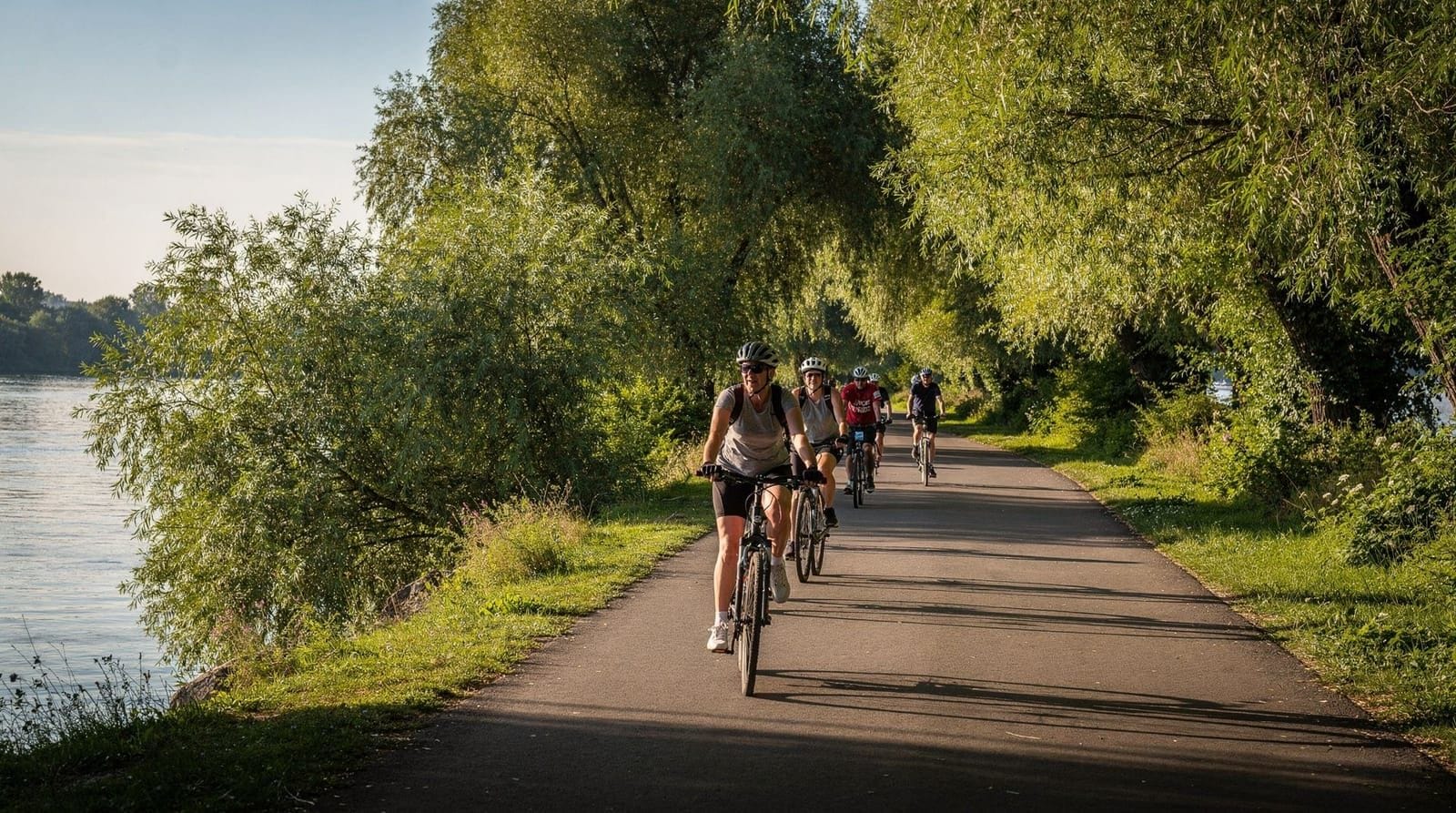
The Danube cycle path (EuroVelo 6) runs from central Bratislava west along the river to Devín and continues across the border into Austria. The route from the Old Town to Devín takes approximately 1.5 to 2 hours at a comfortable pace and is entirely flat along the riverbank — no hills until you are nearly at the castle itself. The scenery is excellent: the route passes through the Bratislava Forest Park, along wooded riverbanks, and through the nature reserve at the Danube-Morava confluence.
Bikes can be rented from several points in central Bratislava, including White Bikes and RecycleBike near the Old Town. The Danube riverside path is well-signposted and separated from traffic. See the Danube riverside cycling guide for route details and rental recommendations.
By tour or taxi
Several Bratislava tour operators include Devín in half-day guided excursions from the Old Town. These typically cover the history of the site in more depth than independent visits allow and include transport. A private taxi or rideshare from central Bratislava costs approximately €15–20 one-way.
GetYourGuideBratislava grand city tour with Devín CastleCheck availability → GetYourGuideDevín Castle & Iron Curtain half-day tourCheck availability →The castle ruins and what to see
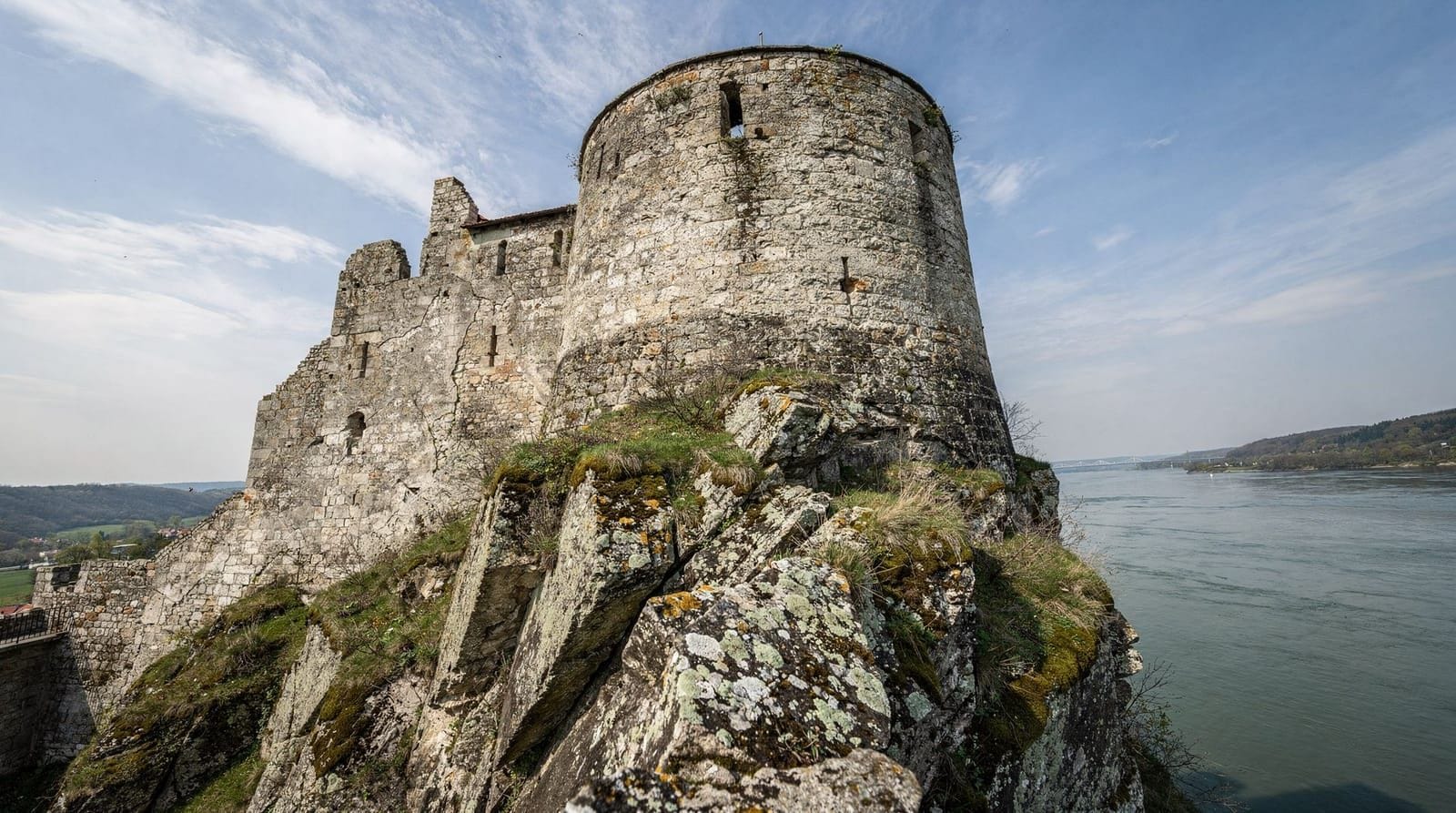
Devín Castle is maintained by the Bratislava City Museum and consists of an upper castle, a lower castle, a palace wing, various defensive towers, a well, cistern systems, and a remarkable Great Moravia-era chapel. The ruins are extensive — spread across nearly the full length of the cliff — and signage in Slovak and English explains the function of each part.
The upper castle and the Roman tower
The highest point of the complex is the ruined upper castle, built on the remnants of earlier fortifications. At its base are the remains of a Roman military watchtower — one of several that the Romans maintained along the Danube frontier (Limes Romanus) during the 1st to 4th centuries AD. A small interpretation panel explains the Roman presence here; the flat stonework foundations are among the most tangible Roman-era remains visible in Slovakia.
The view from the upper castle is genuinely spectacular: the Danube bends below, the Austrian floodplain spreads to the west, and on clear days the Hainburg castle ruins on the Austrian bank are visible across the water. The Morava river can be seen joining the Danube from the north, creating the watery border that historically made this promontory so strategically important.
The Maiden Tower
The most photographed element of Devín is the Maiden Tower (Dievčenská veža) — a slender ruined tower that juts from the cliff edge at the far western end of the complex. Legend holds that a lord locked his unfaithful daughter in the tower; she threw herself from the window into the Danube below. Like many castle legends it is almost certainly fiction, but the tower’s silhouette against the sky is genuinely arresting, and the view from its base down to the river is dizzying.
The museum and Great Moravia exhibits
Inside the lower palace section, a permanent museum covers the castle’s history across its many layers of occupation. The Great Moravia period (9th century AD) is particularly well represented: Devín was one of the major fortified centres of the first Slavic state, and excavations have yielded significant finds including jewelry, weapons, and domestic objects. The museum is included in the standard admission ticket. Slovak and Czech labels are the norm, with partial English translation; an English-language audio guide (available at the ticket office) fills the gaps.
A replica of the Great Moravia defensive palisade has been reconstructed near the museum entrance, giving a visual sense of what the early medieval fort looked like before the stone castle was built.
GetYourGuideBratislava city and Devín Castle 5-hour sightseeing tourCheck availability →The Iron Curtain history at Devín
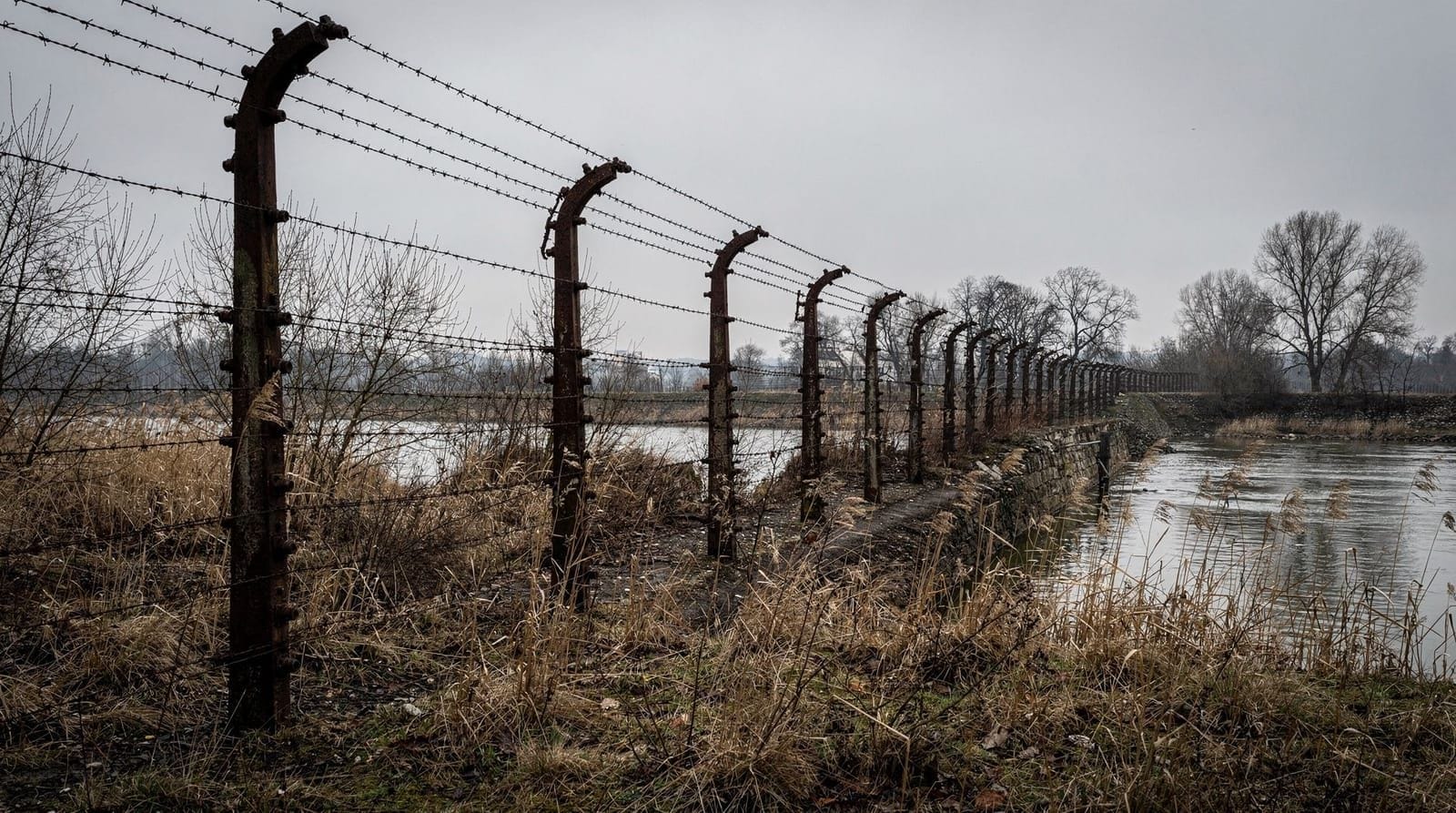
No visit to Devín is complete without understanding what happened here between 1948 and 1989. The castle sits directly on what was then the Iron Curtain — the heavily militarised border between Czechoslovakia and the Western world (Austria was neutral but Free). The Morava river formed the boundary; the Danube at the confluence was the edge of Soviet-bloc territory. This was one of the most heavily guarded sections of the entire European frontier.
The border was fortified with watchtowers, searchlights, minefields, guard dog runs, and multiple fence lines. Attempting to cross — swimming the Danube, wading the Morava, or running across the flat floodplain visible from the castle today — was extraordinarily dangerous. An estimated 400 to 500 people were killed attempting to cross this specific border section between 1948 and 1989. A memorial at the foot of the cliff commemorates those who died here.
Some crossings did succeed. The Danube at the confluence is wide but can be swum by a strong swimmer; at various points in the Cold War era small groups managed to cross by night. The stories — preserved in the museum and in oral histories — describe extraordinary courage and extraordinary fear in equal measure.
Standing on the castle cliff and looking west into Austria today, with the border entirely invisible and the cycling paths crossing the Morava bridge freely, the transformation is remarkable. The same view that guards watched for any sign of movement is now a cycling and hiking leisure area. This contrast — between what the landscape looked like on maps versus what it looks like to stand in it — is one of the more powerful experiences the region offers.
For deeper context on the Iron Curtain and communist-era history in this region, see the communist and Iron Curtain history guide.
Practical information: tickets, hours, and what to bring
Opening hours
Devín Castle is open from April to October. Typical hours are Tuesday to Sunday, 10am to 5pm (last entry 4:30pm), with extended hours to 7pm in July and August. The castle is closed on Mondays throughout the season. It is also closed entirely from November to March.
Opening hours can vary slightly year to year and are updated on the Bratislava City Museum website before each season. It is strongly recommended to check current hours before making a special trip, particularly in April and October when transitional schedules apply.
Entry fees
Standard adult admission is approximately €5. Reduced rates apply for students, seniors, and children (typically €2.50). Children under 6 enter free. A family ticket covering two adults and up to three children costs around €12.
Entry includes access to the full ruins complex and the museum. The audio guide in English is available for an additional €2–3 at the ticket office — it is worth taking, as English-language on-site signage is partial.
What to bring
The castle grounds involve uneven stone paths, wooden boardwalks, and several sets of stairs. Flat-soled or light hiking shoes are strongly recommended; flip-flops are genuinely unsuitable. Bring water — there is a small café (the Devínska kaviareň) at the entrance to the castle grounds but it is not always open outside peak season.
Sun protection matters in summer: the upper castle terraces have little shade and can be very exposed on hot days. The cliff path back down to the river is partially shaded.
GetYourGuideBratislava cruise — Devín Castle round tripCheck availability →Hiking options around Devín
The Devín area offers several hiking routes beyond the castle itself. The most popular short walk is the river path along the base of the cliff to the Danube-Morava confluence, where the two rivers meet and which marks the current Slovakia-Austria border. This 1.5-kilometre walk from the castle entrance takes about 20 minutes each way on a flat path and offers excellent views back up to the castle ruins. Swimming is possible at the stony beach at the confluence in summer, though currents can be strong — local knowledge applies.
The longer Devín-Dúbravka ridge walk takes about 3 hours and ascends from the castle through oak and hornbeam forest to the plateau above, with views over the Danube and the Bratislava western suburbs. It connects with the Bratislava Forest Park trail network and can be extended into a half-day forest hike. The trailhead is signposted from the castle car park.
For cyclists, continuing west from Devín on the Danube cycle path crosses into Austria and reaches the town of Hainburg in about 45 minutes, where the ruins of a second medieval castle (Hainburg Burg) sit above the Danube on the Austrian bank.
Devín Lake and swimming
Devín Lake (Devínske jazero), a former arm of the Danube converted into a recreational lake, is accessible by bus 29 continuing past the castle to the village of Devínska Nová Ves. In summer, the lake has a sandy beach area, basic changing facilities, and a seasonal snack bar. It is a popular local swimming spot rather than a tourist destination — which makes it pleasantly authentic. Entry to the beach area is free; the water temperature is typically comfortable from June to September.
Combine a morning at the castle with an afternoon at the lake if you are visiting in summer and want a full day out of the city.
Frequently asked questions about the Devín Castle day trip
Can I visit Devín Castle in winter?
No. The castle is closed from November to March. It reopens in April, though early-season hours are limited. The surrounding nature area — the riverside paths and Danube floodplain — can be walked year-round regardless of castle opening status, and the views from the riverbank up to the cliff are beautiful in every season.
How long should I allow for the castle visit?
A thorough visit to the ruins, the museum, and the Iron Curtain memorial takes 1.5 to 2 hours. Add 30–40 minutes if you walk to the Danube-Morava confluence and back. A full half-day excursion including the bus journey from Bratislava, the castle, and a picnic by the river is realistic and leaves time to return for an afternoon in the city.
Is Devín Castle accessible for people with mobility difficulties?
Partially. The lower castle area, museum, and café are accessible on relatively level ground. The upper castle terraces and Maiden Tower involve steep steps and uneven surfaces that are not wheelchair accessible. The castle is better suited to visitors who are comfortable on uneven terrain.
Is there a café or restaurant at Devín Castle?
There is a small seasonal café (the Devínska kaviareň) at the castle entrance that serves coffee, soft drinks, and light snacks. It is typically open in season but is not always reliably open in April, October, or during wet weather. The village of Devín, a 5-minute walk from the castle entrance, has a small restaurant and a grocery shop if you need more.
Can I walk from Bratislava Old Town to Devín Castle?
The walk along the Danube riverbank is approximately 9 kilometres and takes about 2 hours at a comfortable pace. It is doable as a one-way excursion (walk there, bus back) or as a return walk for committed hikers. The path is well-marked, fully flat, and passes through the Bratislava Forest Park.
What is the best time of year to visit Devín?
May and June (spring wildflowers on the Danube cliffs) and September-October (harvest colours, fewer crowds) are considered the best months. July and August bring the most visitors but also the most reliable weather. The castle is most atmospheric on weekdays when school groups are absent.
Is Devín Castle included on the Bratislava City Card?
The Bratislava City Card includes free public transport (which covers bus 29) but does not typically include free entry to Devín Castle itself. Check the current card inclusions at time of visit, as benefits do occasionally change.
Is Devín Castle better than Bratislava Castle?
They serve different purposes rather than competing directly. Devín is a ruin in a dramatic natural setting with deep Roman, Great Moravian, and Iron Curtain history; Bratislava Castle is a restored royal palace right above the Old Town, open year-round. If you only have one full day, Bratislava Castle is the easier, more central choice — Devín rewards a dedicated half-day.
Combining Devín with other day trips
Devín makes an excellent morning excursion — leave Bratislava at 9am, arrive for the castle opening at 10am, spend 2 hours exploring, have lunch at the village café, and return by early afternoon. This leaves the afternoon free for a walk through the Old Town or a visit to Bratislava Castle on the hill above the city. The two castles together — one completely preserved, one dramatically ruined — make a natural pairing.
For a longer Danube-themed day, combine the Devín bus trip in the morning with an evening Danube cruise from the Bratislava waterfront. And for travellers interested in the cycling route, the full Devín and Danube cycling experience is covered in detail in the Danube riverside cycling guide.
tours.devin
Verified deep-linked GetYourGuide tours. Book through these links and we earn a small commission at no cost to you.