Small Carpathians wine weekend: Pezinok, Modra, and Červený Kameň
A wine weekend within reach of Bratislava
The Small Carpathians wine region begins almost at Bratislava’s northern edge. Vine-covered ridges roll north from the city through a string of old wine towns — Svätý Jur, Pezinok, Modra — before the hills flatten back into the Hungarian plain. The region grows nearly 40 varieties of grape; its best white wines rival anything from Austria’s Weinviertel just across the border. And unlike the Wachau or Alsace, this area sees almost no international wine tourism, which means cellar doors are welcoming, prices are low, and the experience feels genuinely local.
This two-day itinerary uses public buses from Bratislava — no car required — and mixes wine tasting with a hilltop castle visit and the country’s most famous pottery town. Budget 50–70 € per day outside accommodation.
| At a glance | |
|---|---|
| Where | Pezinok and Modra, Small Carpathians wine region, roughly 25–30 km north of Bratislava |
| Cost | Around 50–70 € per day outside accommodation; tastings from 8–15 € |
| Time needed | 2 days; pairs well with the 3-day Bratislava itinerary |
| Getting there | Public bus from Bratislava’s Mlynské nivy station — no car required |
| Best time | September–October harvest season for atmosphere, or April–May for flowering vines and quieter cellars |
Day 1: Pezinok — wine capital of the Small Carpathians
Afternoon arrival: bus from Bratislava (13:00–14:30)
Buses to Pezinok depart from Bratislava’s Mlynské nivy bus station roughly every 30–40 minutes. The journey takes about 30–40 minutes and a ticket costs around 1.50 €. Arrive in Pezinok by early afternoon to maximise your cellar time.
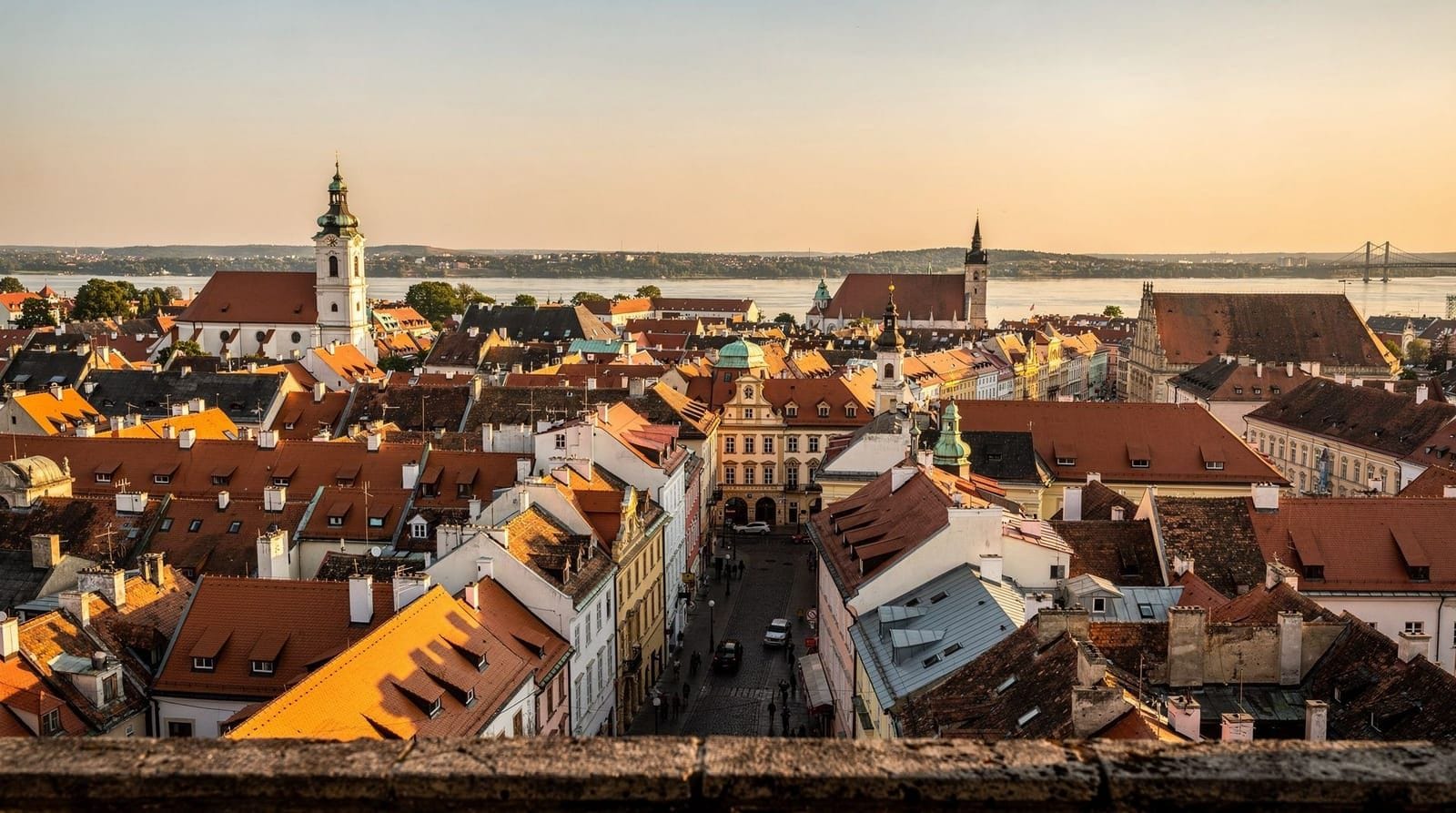
Pezinok is a handsome small town with a pedestrian old square, a turreted town castle (now housing the regional wine museum), and more wine cellars per square kilometre than almost anywhere in Slovakia. The town has been making wine since the 13th century, and the density of producers is remarkable — you could spend an entire day tasting without repeating yourself.
Start at Karpatská Perla, one of the region’s most respected estates, a short walk from the town centre. A tasting of five wines costs 8–12 € and typically includes a guided explanation of the region’s varieties. Their Welschriesling (Rizling vlašský) and Veltlínske zelené (Grüner Veltliner) are the bottles to buy. A second stop at Mrva & Stanko’s tasting room offers a different style — richer, more internationally oriented.
GetYourGuideCarpathian wine tasting tour + Red Stone CastleCheck availability →Late afternoon: town walk and wine museum (16:00–18:00)
The Small Carpathians wine guide notes that Pezinok’s town castle dates to the 16th century and its cellars beneath the square are among the oldest in Slovakia. Pop into the wine museum in the castle (entry around 3 €) for a quick overview of the region’s viticultural history — the timeline of grape varieties and the maps of the named vineyards are genuinely informative.
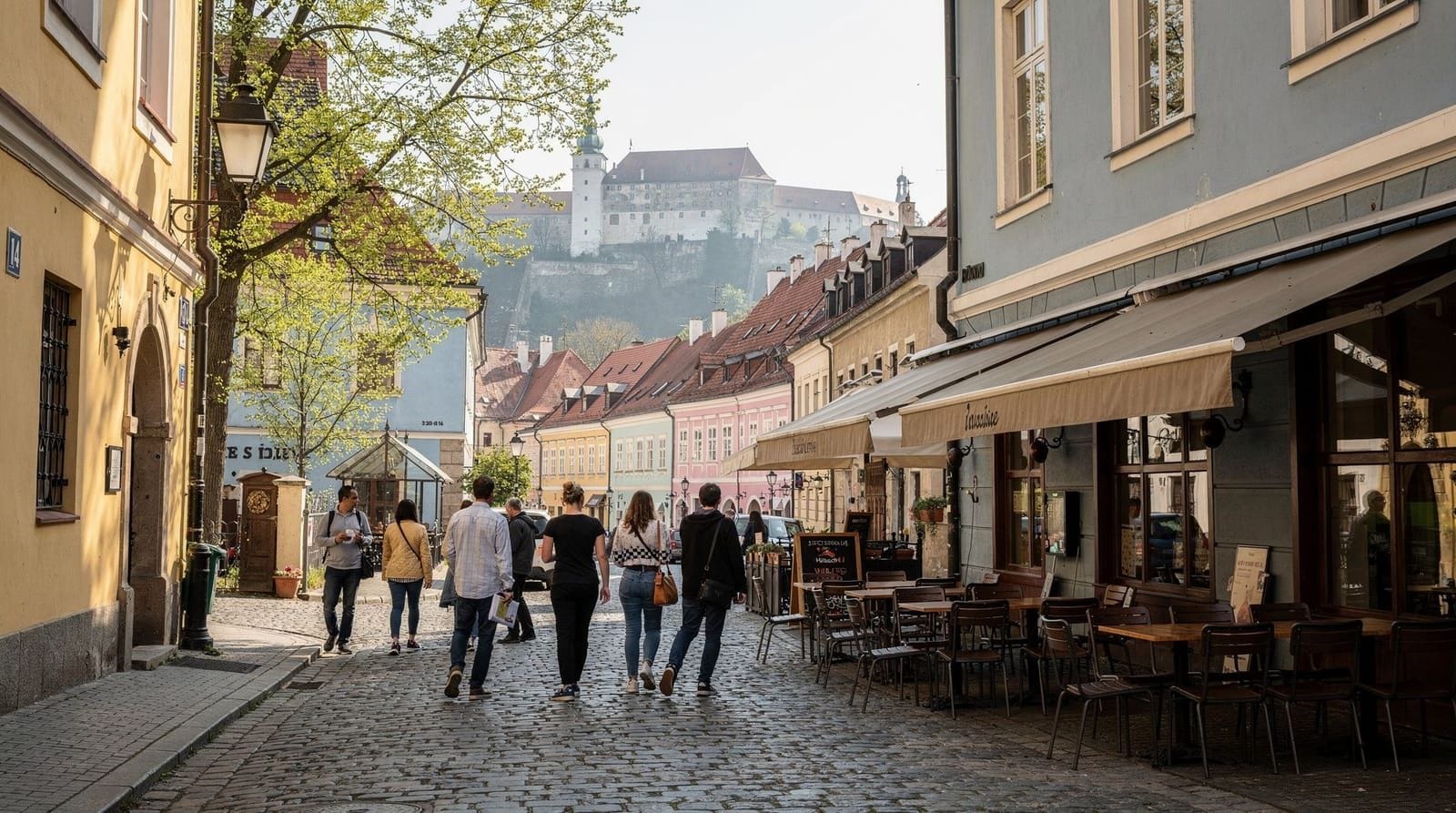
Walk the town’s pedestrian lanes in the late afternoon light. The baroque burgher houses along Radničné námestie give the square the air of a prosperous Central European market town preserved in amber. Stop for a plate of local cold cuts and cheese at a wine bar (8–10 €) — Slovak pickled cheese (nakladaný hermelín) is a classic accompaniment to white wine.
Evening: wine cellar dinner (19:00–21:30)
Several Pezinok cellars serve proper dinners — roast duck, goulash, house-smoked sausage — in vaulted rooms that feel lifted from a Grimm fairy tale. Expect 15–20 € per person for a full dinner including wine. Book ahead if visiting on a weekend in September or October, when the St Martin’s wine harvest festival draws crowds. The autumn wine harvest is the region’s biggest annual event.
Stay overnight in Pezinok (several pension-style guesthouses, from 40–60 € per room) or return to Bratislava for the night and come back by bus in the morning.
Day 2: Modra ceramics, Červený Kameň castle
Morning: Modra — the pottery town (9:00–12:00)
A bus from Pezinok to Modra takes about 15 minutes (buses run hourly; ticket around 0.80 €). Modra is a small, quiet town known above all for its majolica-style folk pottery — the distinctive blue-on-white decorative plates, mugs, and pitchers sold here make excellent souvenirs. The main pottery cooperative, Modranská majolika, has a shop and working atelier where you can watch the painters at work.
The town also has a respected wine culture — Modra’s white wines tend toward aromatic varieties like Müller-Thurgau and Tramín (Gewürztraminer). Stop at a local cellar for a morning glass (yes, morning wine tasting is normal in Slovak wine country; 2–3 € for a generous pour).
GetYourGuideModra private wine tasting at a family-operated wineryCheck availability →Modra was home to Ľudovít Štúr, the 19th-century linguist who codified the modern Slovak language — there’s a small museum in his house (entry 2–3 €) if you’re curious about the intellectual history of Slovak national identity.
Midday: bus to Červený Kameň castle (12:00–15:30)
Červený Kameň Castle — literally “Red Stone Castle” — is the best-preserved noble castle in Slovakia and sits about 15 km east of Modra. Getting there without a car requires a combination of bus and walk (or a taxi from Modra, roughly 8–10 €). The bus from Modra toward Smolenice stops near the village of Častá, from where it is a 20-minute walk uphill to the castle.
The castle is massive — a 16th-century fortress with some of the most elaborate original furnishings in Central Europe still in situ. Guided tours (in Slovak with written English summaries, or occasionally with an English guide) cost around 10 €. The treasury, the armoury, and the kitchen are highlights. Plan 1.5–2 hours inside, then walk the ramparts for views over the wine-covered hills.
Afternoon: return to Bratislava (15:30–17:30)
Take a taxi or the bus back to Modra (or Pezinok), then the bus back to Bratislava. You’ll arrive in the city by late afternoon with time for a farewell meal. The best restaurants in the old town are a short walk from the bus station. If you picked up a bottle or two at Pezinok’s wine shop, a glass now is the obvious conclusion.
For the big-picture context on the wine region — varieties, producers, how to navigate it — see the Small Carpathians wine guide and the wine tasting tours overview.
Practical tips for the wine weekend
Best time to visit: September and October for the harvest season — the grapes are on the vine, the cellar doors are busy, and the St Martin’s wine harvest festival in November brings the whole region together. Spring (April–May) is also excellent, with the vines flowering and the cellars showing their latest vintage.
Booking cellar visits: Some of the smaller producers require advance booking, especially on weekdays. A quick email or phone call the day before usually works. The larger estates (Karpatská Perla, Mrva & Stanko) have walk-in tasting rooms.
Carrying wine home: Slovak wines travel well. A bottle of local Welschriesling or Svätovavrinecké (St Laurent red) bought directly from the producer costs 8–15 € and is far better value than anything you’d find at an airport duty-free. Check airline carry-on rules; most allow one bottle in checked luggage when properly wrapped.
With a car: Many more cellars become accessible, and you can drive the scenic wine road from Bratislava through Svätý Jur, Pezinok, Modra, and up to the Malé Karpaty ridge. The Small Carpathians day trip guide covers the route in more detail.
Combine this weekend with a visit to Bratislava’s old town before or after — the 3-day Bratislava itinerary slots neatly together with this wine weekend for a 5-night trip.
Seasonality for wine country visits
| Season | Conditions | What to expect |
|---|---|---|
| Spring (Apr–May) | Mild, occasional rain | Vines flowering, quieter cellars, producers pouring the latest vintage |
| Summer (Jun–Aug) | Warm, dry | Green vineyards, fewer wine-focused events, good for hiking above the vines |
| Autumn (Sep–Nov) | Cool mornings, mild days | Harvest season, St Martin’s wine harvest festival, busiest cellar doors of the year |
| Winter (Dec–Feb) | Cold, some cellars closed | Christmas markets in Bratislava; many smaller producers only open by appointment |
For a broader sense of how the region compares across the year, the autumn wine harvest guide and the Small Carpathians hiking guide both add useful context if you’re weighing which season suits you.
Slovak wine experiences on GetYourGuide
Verified deep-linked GetYourGuide tours. Book through these links and we earn a small commission at no cost to you.