Vienna day trip from Bratislava: the complete guide
How do I get from Bratislava to Vienna for a day trip?
By train (1 hour, €12–18), bus (1 hour, from €5), or Twin City Liner catamaran (1h 45min, ~€30). All options drop you close to central Vienna.
| At a glance | |
|---|---|
| Where | Bratislava Hlavná stanica or Mlynské Nivy to central Vienna |
| Cost | Around €80–120 per person for a full day (transport, museum, food) |
| Time needed | A full day, roughly 8–10 hours in Vienna if you leave by 8–9am |
| Getting there | Train (~1h), bus (~1h), or Twin City Liner catamaran (~1h45) |
| Best time | Any season for train/bus; April–October only for the catamaran leg |
Vienna and Bratislava sit 80 kilometres apart — closer than many cities are to their own suburbs — which makes a day trip between them one of the easiest and most rewarding excursions in Central Europe. You can leave Bratislava after breakfast, spend a full day exploring one of the world’s great imperial capitals, and be back in time for dinner along the Danube. No flights, no overnight bags, and no complicated logistics required. This guide covers every transport option in detail, outlines a practical itinerary for a single day in Vienna, explains what things cost, and gives you the insider tips that most visitors only wish they had known beforehand.
Getting from Bratislava to Vienna
Three main options connect the two capitals: train, bus, and the Twin City Liner catamaran. Each has different advantages depending on your budget, time, and how you want the journey to feel.
By train — the fastest and most convenient option
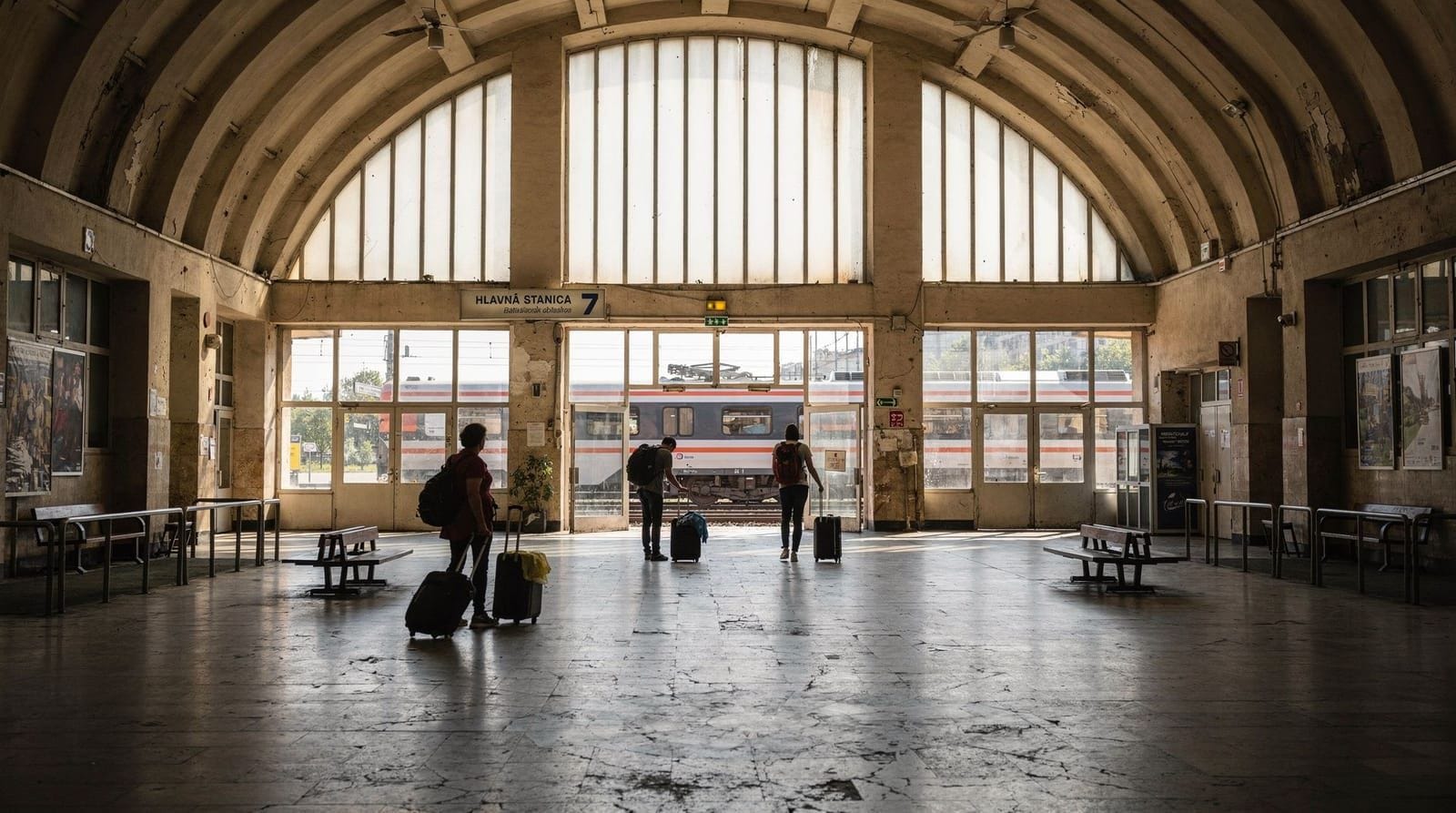
The direct train from Bratislava Hlavná stanica to Wien Hauptbahnhof (Vienna Central Station) takes approximately 60 minutes and runs multiple times daily. This is the most comfortable option and drops you at Wien Hbf, which sits on the U-Bahn network and gives you immediate access to the entire city without needing a taxi or additional bus.
Operators on the route include ÖBB (Austrian Federal Railways), RegioJet, and the joint EuroCity and Railjet services. Fares vary significantly by how far in advance you book. ÖBB Sparschiene tickets can be as low as €9.90 booked weeks ahead; RegioJet regularly runs promotions starting under €10. A flexible full-fare ticket bought on the day typically costs €17–22. Return tickets are sometimes only marginally more expensive than a single, so it is worth checking.
Booking is straightforward: ÖBB’s website and app allow advance purchases, as does the RegioJet website. On the day of travel, ticket machines at Bratislava Hlavná stanica accept credit cards and offer multilingual menus. There is a café and luggage storage at the station if you need either.
The journey itself is pleasant — the train crosses the border at Marchegg, passing through flat agricultural plains and small Austrian villages before approaching Vienna’s elevated rail approach into the Hauptbahnhof. Seat reservations are not always required but are recommended during peak summer weekends.
By bus — the cheapest option
FlixBus and RegioJet both operate coach services between Bratislava and Vienna, with journey times of approximately 60 to 80 minutes depending on border crossing queues. Advance tickets can be found for as little as €5 on FlixBus; RegioJet bus fares tend to be slightly higher but include free Wi-Fi and more comfortable seating.
The main consideration with the bus is the drop-off point. FlixBus typically arrives at Vienna’s Erdberg bus terminal (Wien Erdberg), which is on the U3 metro line and a 20-minute ride from the centre. RegioJet drops passengers closer to the centre. Factor in this additional leg when planning your day.
Buses from Bratislava depart from the Mlynské Nivy bus station, which is a short tram ride from the Old Town. Check current schedules and boarding points before travelling, as they can shift seasonally.
By catamaran — the most scenic option
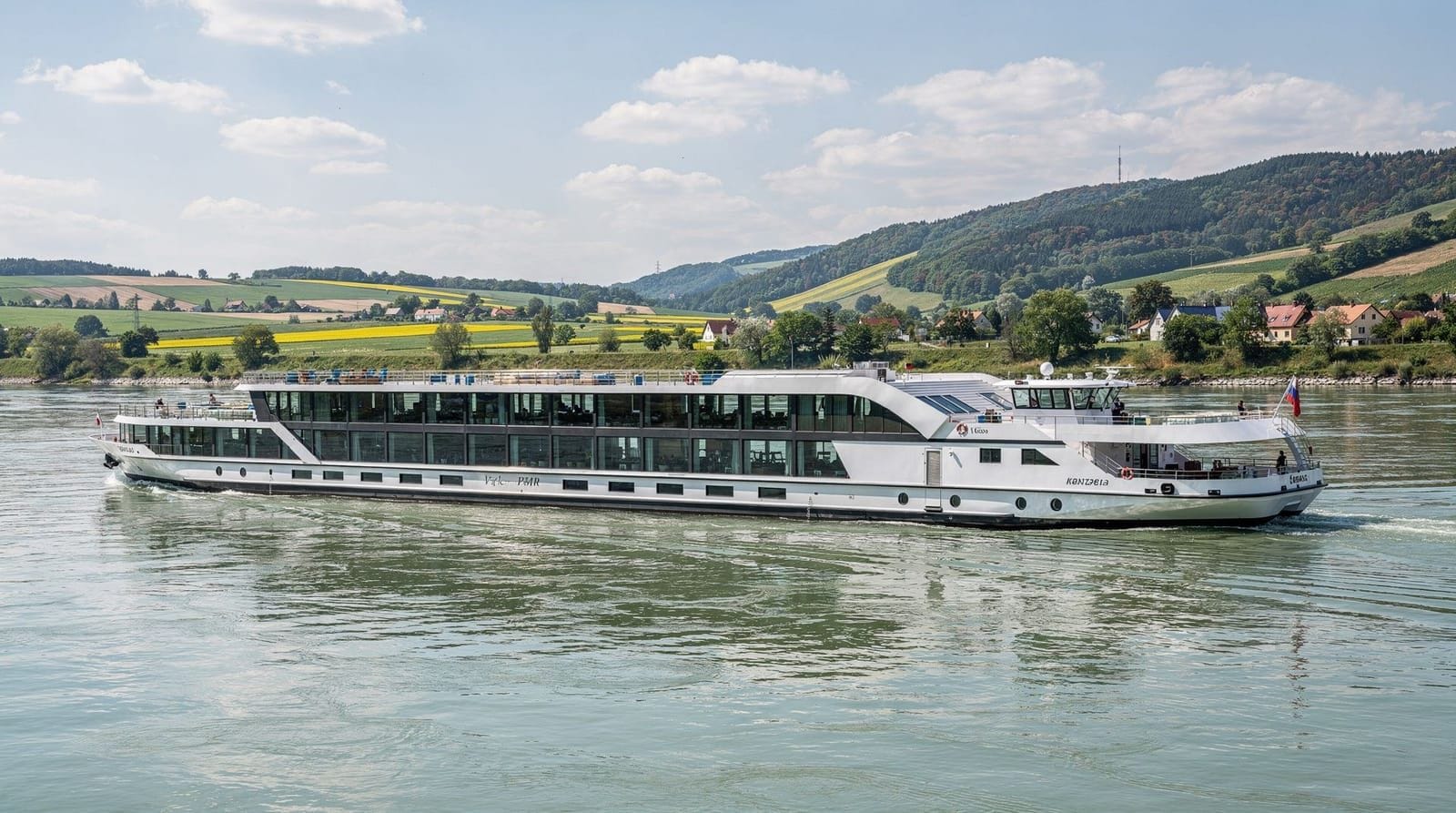
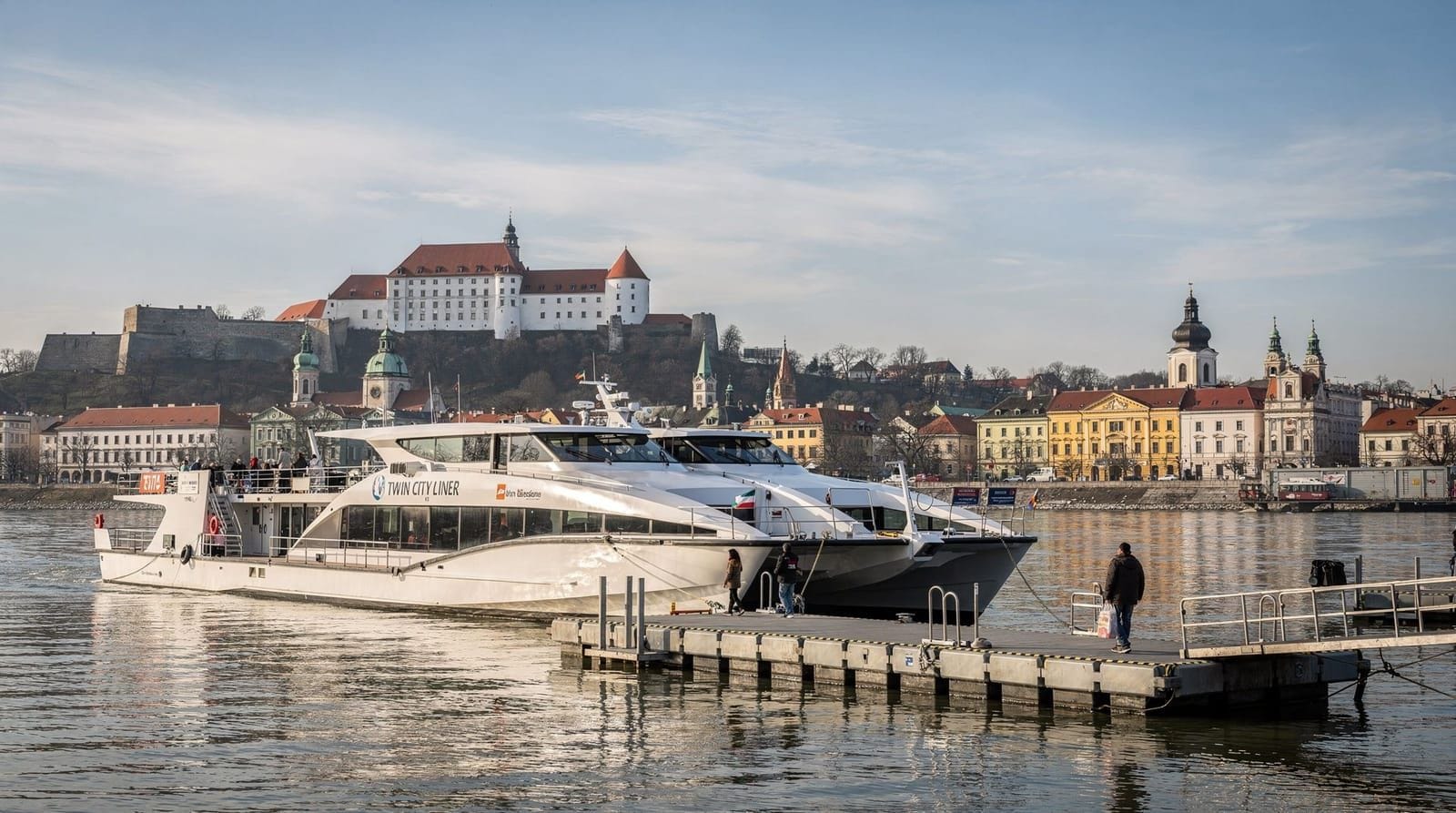
The Twin City Liner high-speed catamaran runs between Bratislava’s Passenger Port (Fajnorovo nábrežie, near the Old Town) and Vienna’s Schwedenplatz terminal from April through October. The journey takes approximately 1 hour 45 minutes and costs around €30 one-way or €48 return. It is the most expensive and slowest of the three options, but also the most distinctive — travelling by river turns the transfer into an attraction in itself.
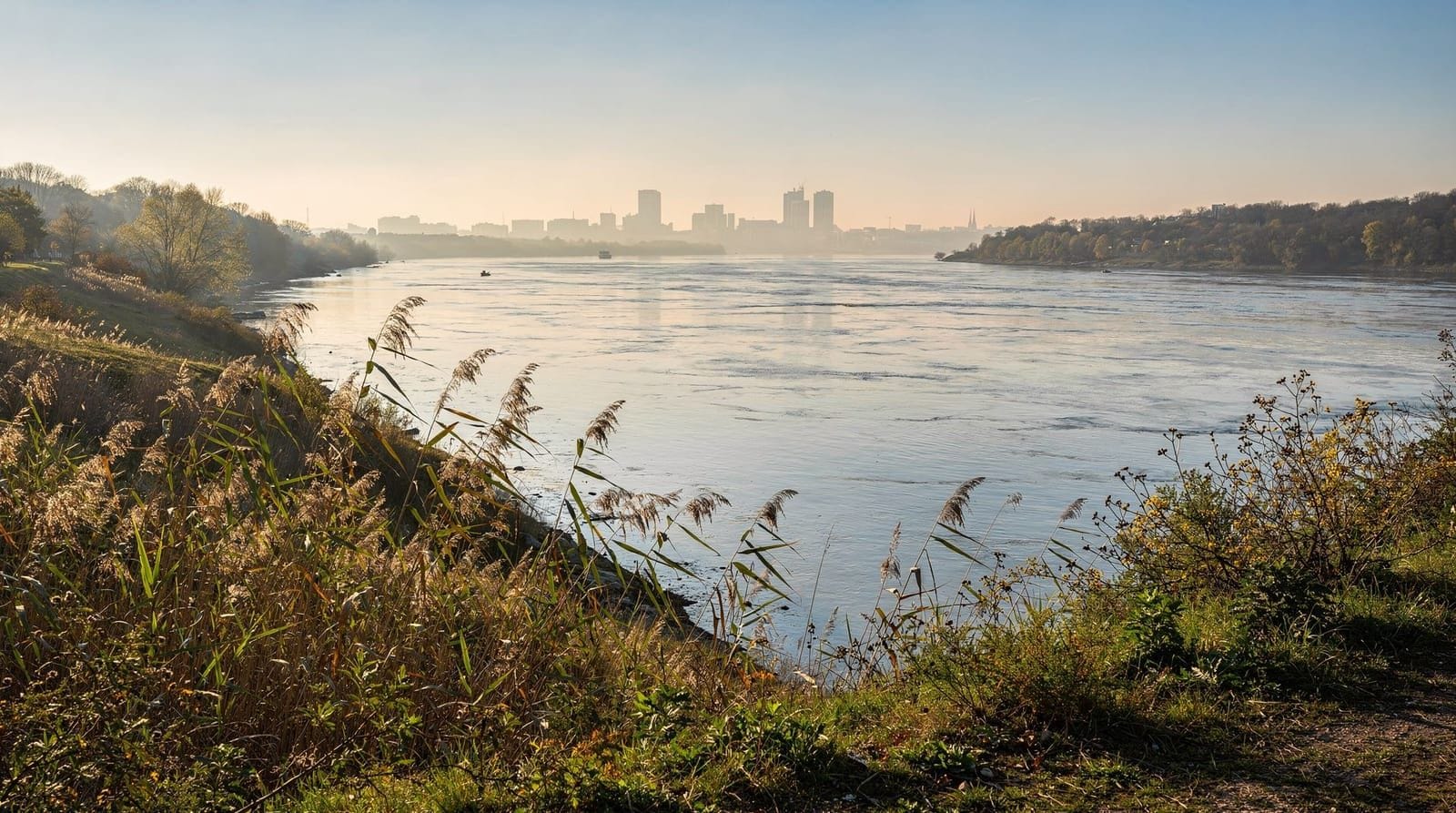
The catamaran glides past Devín, through the Danube floodplain nature reserve, and into the heart of Vienna by water. Arriving at Schwedenplatz, directly at the edge of Vienna’s First District, is a memorable way to enter the city. The Twin City Liner runs once or twice daily in each direction; schedules vary by month. See the dedicated Danube cruise guide for full timetables and booking advice.
A popular combination is to go to Vienna by train (fast, affordable, gets you there early) and return by catamaran (scenic, relaxed, ends the day beautifully). This is only possible April to October and requires coordinating the catamaran’s afternoon departure time.
GetYourGuideBratislava with a local: private tour from ViennaCheck availability → GetYourGuideFrom Vienna: Bratislava half-day tripCheck availability →A practical one-day itinerary for Vienna
Vienna is vast, and trying to see everything in a single day will leave you exhausted and underwhelmed. A better approach is to pick a theme or a neighbourhood and explore it properly. The itinerary below prioritises the most iconic sights within walking distance of each other, with realistic timings that account for queues and travel between locations.
Morning: the Ringstrasse and the Kunsthistorisches Museum
Arrive at Wien Hbf by the 8 or 9am train, take the U1 metro to Karlsplatz, and walk onto the Ringstrasse. This 19th-century boulevard, constructed on the orders of Emperor Franz Joseph I, is one of the great pieces of urban planning in Europe. The Parliament, Rathaus, Burgtheater, and State Opera are all strung along it like beads on a thread, and simply walking the Ring in the morning light, before the tour groups arrive, is genuinely worth doing for its own sake.
The Kunsthistorisches Museum (Museum of Art History) opens at 10am and is one of the great art museums in the world. Its collections include the largest gathering of Bruegel paintings anywhere, masterworks by Vermeer, Titian, Raphael, and Caravaggio, and the extraordinary Egyptian and Greek antiquities rooms. Plan 2 to 2.5 hours here; entry costs €21 for adults. A combined ticket with the Naturhistorisches Museum (Natural History Museum) directly opposite is available if you want to see both, though one day is barely enough for either.
Late morning: Schönbrunn Palace and gardens
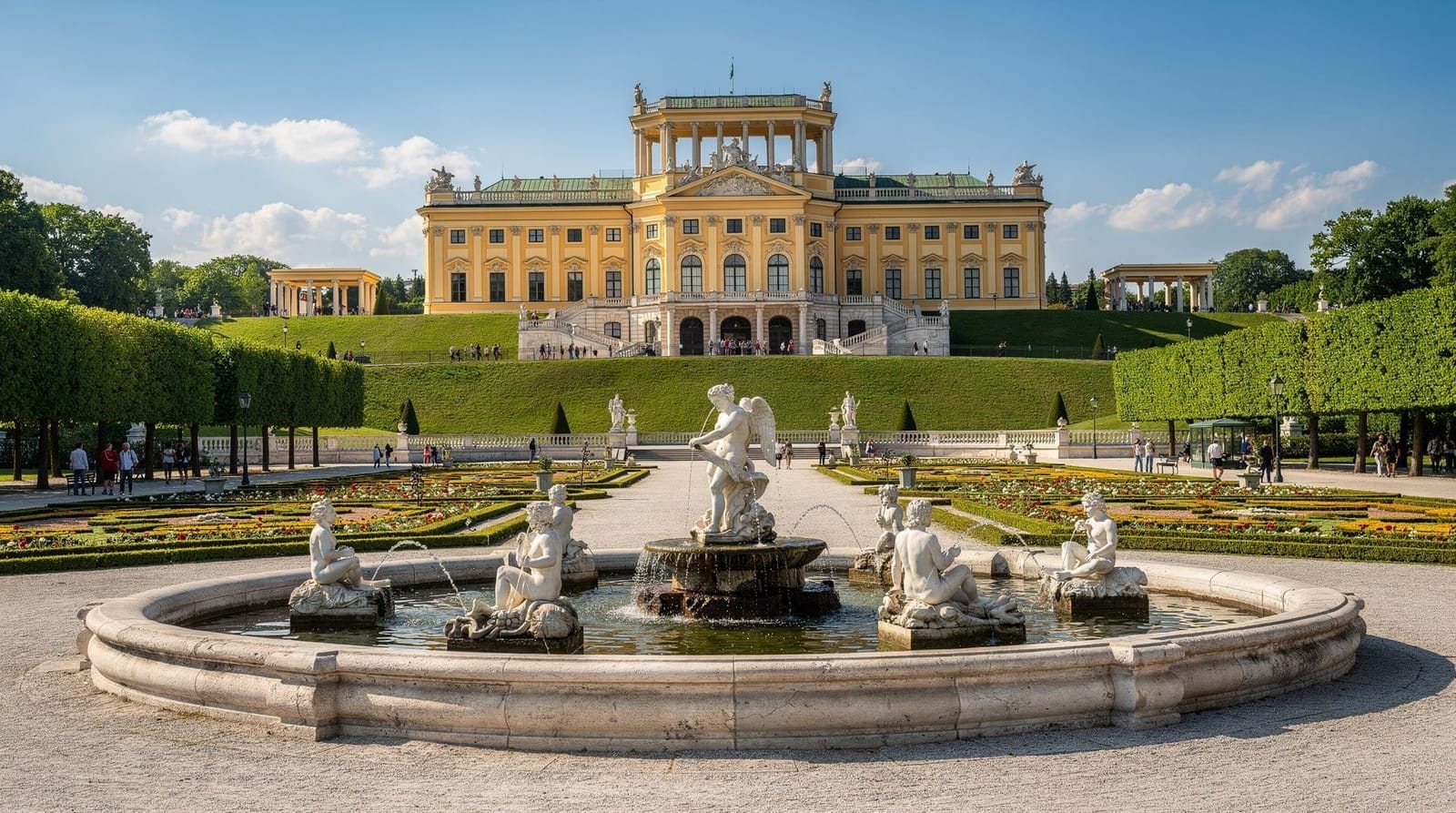
From the Kunsthistorisches Museum, take the U2 metro to Museumsquartier and then the U4 to Schönbrunn (about 15 minutes total). The former Habsburg summer palace is Vienna’s most-visited attraction for good reason: the baroque gardens alone, stretching uphill to the Gloriette colonnade with panoramic city views, justify the visit even if you skip the palace interior entirely.
The palace tour options range from a 26-room Grand Tour to the full 40-room Imperial Tour. Tickets run €18–22 for the palace, while the gardens are free to enter. Given limited time, many day-trippers walk the gardens (free), ascend to the Gloriette for the views (€5 separately), and save the palace interior for a longer Vienna stay. The Café Residenz inside the palace courtyard is a good mid-morning coffee stop.
GetYourGuideBratislava: Devín Castle, Carnuntum & Vienna day tripCheck availability →Lunch: the Naschmarkt
Return via U4 to the Naschmarkt, Vienna’s famous open-air market running along the Wienzeile. Open Monday to Saturday (the Saturday morning antique market is especially good), it stretches for about 500 metres and contains everything from fresh produce and Austrian cheeses to Turkish spice stalls and Balkan delis. Half a dozen sit-down restaurants line the edges; for a quick and cheap lunch, the market stalls themselves — pretzels, sausages, stuffed flatbreads, fresh juice — are the way to go. Budget €8–15 for a filling market lunch.
Afternoon: the Belvedere and the Klimt collections
The Upper Belvedere (Oberes Belvedere) is a 15-minute walk from the Naschmarkt or a short U1 ride to Südtiroler Platz. The palace houses Austria’s most celebrated art collection, including Gustav Klimt’s The Kiss — arguably the most famous painting in the country, and justifiably so in person. The golden shimmer of the original, roughly two metres square, is quite different from any reproduction. Allow 1.5 to 2 hours for the Upper Belvedere; entry is €17.50 for adults. The formal baroque gardens connecting the Upper and Lower Belvedere are free to walk through and beautifully maintained.
If you prefer a different afternoon focus, the Hofburg complex in the First District — the Habsburg winter palace, Spanish Riding School, and Sisi Museum — is an equally valid alternative and closer to the city centre.
Late afternoon and evening: the First District
Walk or take the tram into Vienna’s First District (the Innere Stadt) for the late afternoon. The Stephansdom (St. Stephen’s Cathedral), with its distinctive mosaic roof, is the geographical and spiritual heart of the city and free to enter the nave. The Graben and Kohlmarkt pedestrian streets are lined with some of the most expensive shops in Europe but make for excellent people-watching even if your budget runs to window shopping only.
For dinner before the return journey, the Beisl (traditional Viennese tavern) culture is at its best in the neighbourhood behind the Stephansdom — try Gasthaus Pöschl or Restaurant Figlmüller, both long-established and reliably good. Austrian classics — Wiener Schnitzel, Tafelspitz, Apfelstrudel — average €15–25 per main course. For something cheaper and more casual, the Würstelstand (sausage stand) culture is authentic and costs around €4 per Käsekrainer or Bratwurst.
GetYourGuideFrom Vienna: Bratislava day trip like a localCheck availability →What things cost in Vienna
Budget expectations matter. Vienna is significantly more expensive than Bratislava: a coffee in a traditional Viennese Kaffeehaus costs €4–5, a beer in a pub runs to €5–6, and a mid-range restaurant meal for one without wine is typically €20–30. That said, many of Vienna’s greatest pleasures are free or very cheap: walking the Ringstrasse, the free entry zones of major palaces and parks, and the standing-ticket culture at classical music venues.
A realistic day-trip budget, covering transport, one major museum, lunch, one afternoon attraction, coffee, and a sit-down dinner before heading back, is approximately €80–120 per person depending on choices. You can spend significantly less by sticking to market food, free attractions, and the cheapest transport.
The Vienna City Card (Tageskarte, or day card) costs around €8 and covers unlimited U-Bahn, tram, and bus travel within the city for 24 hours. If you are doing more than two or three public transport journeys in the day, it usually works out cheaper than single tickets.
Practical tips for the day trip
Start early. The first train from Bratislava to Vienna arrives at around 7am; leaving by the 8 or 9am train gives you 8–10 hours in Vienna before the last convenient return. Schönbrunn is noticeably less crowded before 10am.
Book major attractions in advance. Both Schönbrunn and the Kunsthistorisches Museum sell advance tickets online that bypass the queuing. In summer, the Schönbrunn ticket queues can take 30–45 minutes; online booking eliminates this entirely.
Validate your ticket. Austrian public transport requires ticket validation before boarding. Tram and U-Bahn tickets must be stamped in the blue validators at the entrance. Inspectors check regularly, and the on-the-spot fine is €100.
Mind the return time. The last direct trains from Wien Hbf to Bratislava run until around 10–11pm, but check the exact timetable before you go. If returning by Twin City Liner, the last afternoon departure from Vienna’s Schwedenplatz typically leaves at 5 or 6pm depending on the season — missing it means taking the train instead.
Tipping culture. In Vienna, rounding up or adding 10% is the norm at sit-down restaurants. Unlike in Bratislava, where a flat service charge is often already included, Vienna bills typically show the base price and the tip is genuinely discretionary — but expected.
Language. German is the official language; English is widely understood in central Vienna but less so in residential neighbourhoods. A basic “Bitte” (please) and “Danke” (thank you) go a long way.
Organised tours from Bratislava to Vienna
Several operators run guided day trips from Bratislava to Vienna that include transport, a local guide, skip-the-line access to major attractions, and sometimes lunch. These typically cost €60–100 per person and are worth considering if you want a curated experience without the planning overhead, or if this is your first visit to Vienna and you would prefer context around what you are seeing.
The advantage of a guided tour is that an experienced local can explain the historical layers of Vienna’s Habsburg past in a way that brings the architecture and collections to life. The Kunsthistorisches Museum, for instance, is radically transformed by a guide who knows where to look and what to say about it.
Vienna day trip versus a Vienna overnight
Not every visitor should do Vienna as a single day. If you have flexibility, weigh a day trip against spending a night in Vienna and returning the following afternoon — it roughly doubles your available time for a modest extra cost (Vienna accommodation runs higher than Bratislava’s, but even a budget hotel adds real breathing room to the itinerary above). The Bratislava versus Vienna comparison breaks down how the two cities differ in cost, pace, and atmosphere, which helps decide how much time each deserves.
For a shorter alternative to a full Vienna day, some travellers prefer to split their day trip time between Vienna and a closer option, such as the Devín Castle day trip or the Small Carpathians wine region, both of which can be done in half a day without the early start a full Vienna trip requires. And if you are unsure whether Bratislava itself is worth the base, is Bratislava worth visiting? answers that directly before you commit to building your whole trip around it.
Frequently asked questions about the Vienna day trip
How early should I leave Bratislava for a day trip to Vienna?
The first trains leave Bratislava Hlavná stanica from around 6–7am, arriving in Vienna before 8am. For a practical day trip that gives you full access to museum opening times (most open at 10am), leaving on the 8am train and arriving at 9am is ideal. It gives you time to walk the Ringstrasse before the crowds build.
Do I need a visa to enter Austria from Slovakia?
Both Slovakia and Austria are members of the European Union and the Schengen Area. There are no passport controls at the border for EU/EEA citizens, and the train does not stop for border checks. Non-EU visitors who hold a valid Schengen visa can travel freely between the two countries; those requiring separate visas should check current Austrian entry requirements before travelling.
Is one day enough to see Vienna?
One day is genuinely not enough to see Vienna properly — it is a city that rewards a week or more. But one day is absolutely enough to see the things that matter most to you, have memorable experiences, and get a real sense of what makes Vienna distinctive. Be ruthlessly selective: pick two major attractions and one neighbourhood, and experience those well rather than rushing through five things superficially.
Can I use euros in both Bratislava and Vienna?
Yes. Both Slovakia and Austria use the euro, so you do not need to exchange currency for this day trip. Card payments are widely accepted in Vienna; cash is still commonly expected at market stalls and some smaller Viennese establishments, so carry at least €20–30 in notes.
What is the best transport combination for a day trip?
The most popular combination among experienced travellers is train to Vienna in the morning (fast, cheap, gets you there early) and the Twin City Liner catamaran back in the late afternoon (scenic, relaxed, a memorable end to the day). This is only possible from April to October. Outside those months, round-trip by train is the most practical choice.
How much should I budget for a full day in Vienna?
A comfortable but not extravagant day — train return, one major museum, Naschmarkt lunch, one afternoon attraction, coffee and cake at a traditional Kaffeehaus, and a sit-down dinner — typically costs €80–110 per person. Budget travellers who focus on free attractions, market food, and advance-booked discounted tickets can get this down to €50–60.
Is Vienna accessible by public transport from Wien Hauptbahnhof?
Wien Hauptbahnhof is on the U1 metro line, which connects directly to the city centre (Stephansplatz, the Ringstrasse, and the First District) in about 10 minutes. The station also has tram connections and the Citybahn suburban rail. No taxi or additional transfer is needed; buy a Tageskarte (day card) for unlimited travel and you are set.
Are there any direct buses from Bratislava Old Town to central Vienna?
Several shuttle and transfer operators run door-to-closer-to-door minibus services between Bratislava’s city centre and Vienna, particularly targeting the VIE airport area. These are not regular scheduled services but can be booked in advance through transfer platforms. They are generally more expensive than train or FlixBus but more convenient if you have luggage or are arriving late.
Combining Vienna with other day trips from Bratislava
Vienna is the most popular day trip from Bratislava, but it is not the only one. If you are spending several days in Bratislava, consider mixing the Vienna day trip with a visit to Devín Castle — a 20-minute bus ride from the city — or the Small Carpathians wine region to the north. The combination of imperial Vienna and the quiet vine-covered hills of rural Slovakia makes for a satisfying contrast that captures what makes this corner of Central Europe so unexpectedly varied.
For travellers who want to see Vienna more thoroughly, a two-city Bratislava-Vienna itinerary — arriving in Bratislava, spending two nights there, then taking the train to Vienna for two nights before flying home from VIE — is a logical and satisfying structure. Vienna’s airport is after all one of Bratislava’s most convenient international gateways. See the Bratislava vs Vienna comparison guide for a full analysis of which city to prioritise based on your interests.
The Danube cruise from Bratislava to Vienna is a separate guide covering the Twin City Liner in depth — seasonal schedules, what you see from the water, and how to build a day around the catamaran. If the idea of arriving in Vienna by river appeals, that guide is the place to start.
tours.vienna
Verified deep-linked GetYourGuide tours. Book through these links and we earn a small commission at no cost to you.