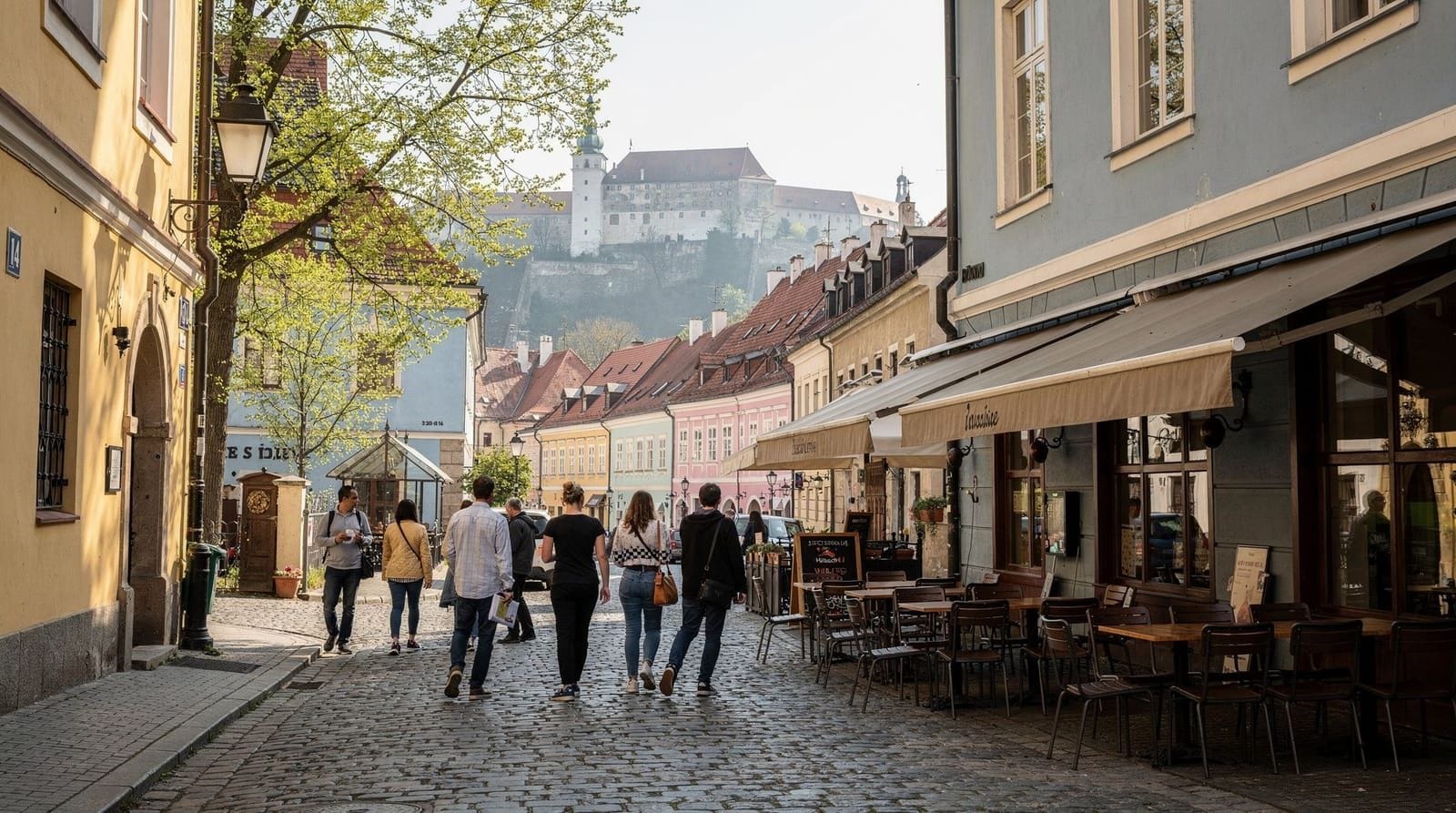
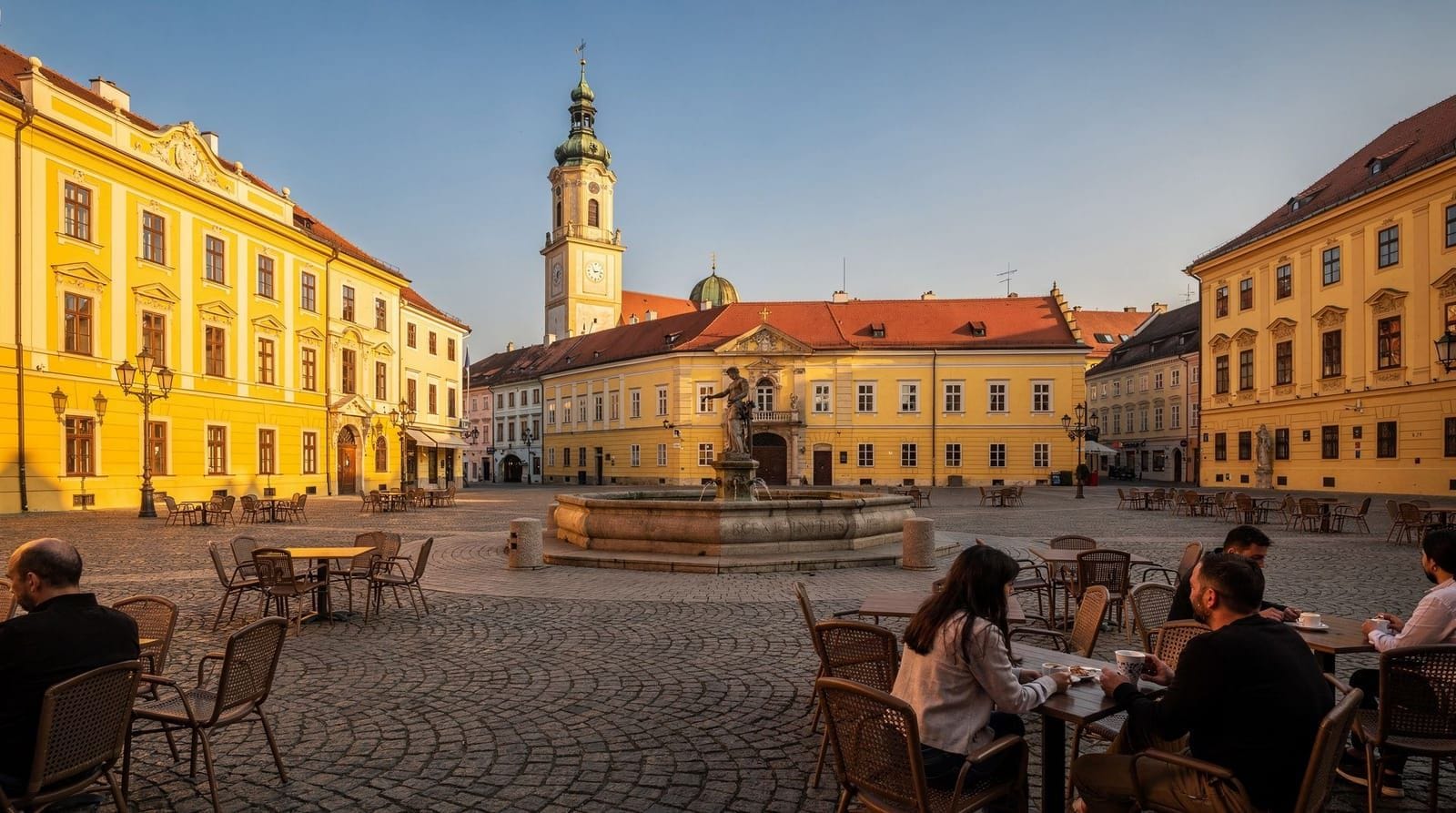
Schloss Hof day trip from Bratislava: the Habsburgs' forgotten palace
How do I get from Bratislava to Schloss Hof?
Schloss Hof is about 30 km from Bratislava. Drive across the border via Kittsee (~30 min), or join an organized tour. No direct public transport runs to the estate.
At a glance
| Where | Lower Austria, roughly 30 km west of Bratislava, across the border |
| Entry | around €16 adult (palace, gardens, Meierhof) |
| Time needed | 3 hours minimum, 4–5 for a relaxed visit |
| Getting there | car (~30 min via Kittsee) or an organised tour — no public transport |
| Best time | April–October only; closed Nov–mid-March |
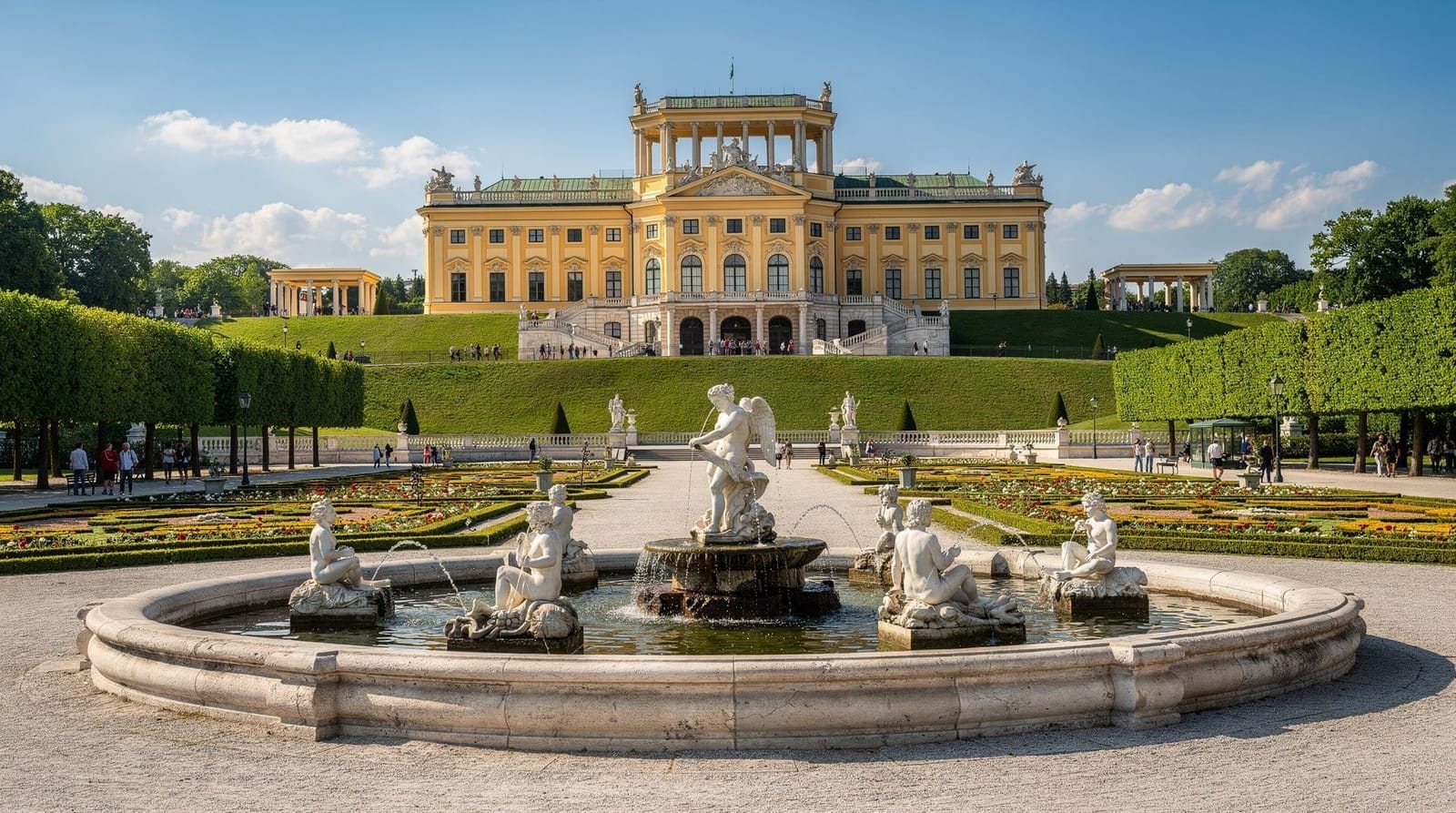
Schloss Hof is the grandest Baroque palace most visitors to Central Europe have never heard of. Sitting roughly 30 kilometres west of Bratislava across the Austrian border, it was originally built for Prince Eugene of Savoy — the most celebrated military commander of his age, who defeated the Ottomans at the Battle of Zenta, broke the French at Turin, and accumulated sufficient wealth to commission some of the finest architecture in Europe.
After Eugene’s death in 1736, the Empress Maria Theresa bought the estate and transformed it into the Habsburg family’s preferred summer retreat, a place where she brought her children — including the future Marie Antoinette — for private country holidays away from the formality of Schönbrunn and the Hofburg.
That history sounds remote until you stand in the baroque terraced gardens and realise you are looking at a landscape that Maria Theresa herself walked, that Mozart performed for the imperial family here, and that the views across the March river valley toward Bratislava are essentially unchanged from what she would have seen in the 1750s. Schloss Hof is not a minor side trip; it is a genuinely extraordinary place that happens to sit at an inconvenient distance from the main tourist routes. Its relative obscurity is its main advantage.
Getting from Bratislava to Schloss Hof
By car — the only practical independent option
Schloss Hof has no direct public transport connection from Bratislava or Vienna. The estate is in the March-Donauland region of Lower Austria, in open agricultural countryside, and the nearest railway station (Marchegg, on the Vienna-Bratislava main line) is still approximately 10 kilometres from the palace entrance — a distance without any bus connection.
If you have access to a car, the drive from Bratislava is straightforward. Cross the border at Kittsee (a small border crossing just south of Bratislava’s Petržalka district) and follow the B49 and local roads west-northwest toward Engelhartstetten and then Schloss Hof. The route takes approximately 30 minutes in normal traffic. Google Maps navigation works reliably and there is parking at the estate.
The border crossing at Kittsee is the most direct route; there is no border check (both countries are in the Schengen Area) but the road is small and not always obvious to first-time drivers. Alternatively, the Kittsee–Wolfsthal border crossing just to the south is slightly larger and better signposted. From Vienna, the A4 motorway to Bruck an der Leitha and then north on local roads takes about 45 minutes.
By organised tour from Bratislava
Because the public transport situation is difficult, the most practical option for visitors without a car is an organised day tour from Bratislava. Several operators offer half-day or full-day excursions to Schloss Hof, sometimes combined with the nearby Roman ruins at Carnuntum. These tours include transport, a guide, and typically also the palace entry fee in the package price. They represent good value for what they include.
GetYourGuideCastles, nature & culture guided day tourCheck availability →A note on the Twin City Liner combination
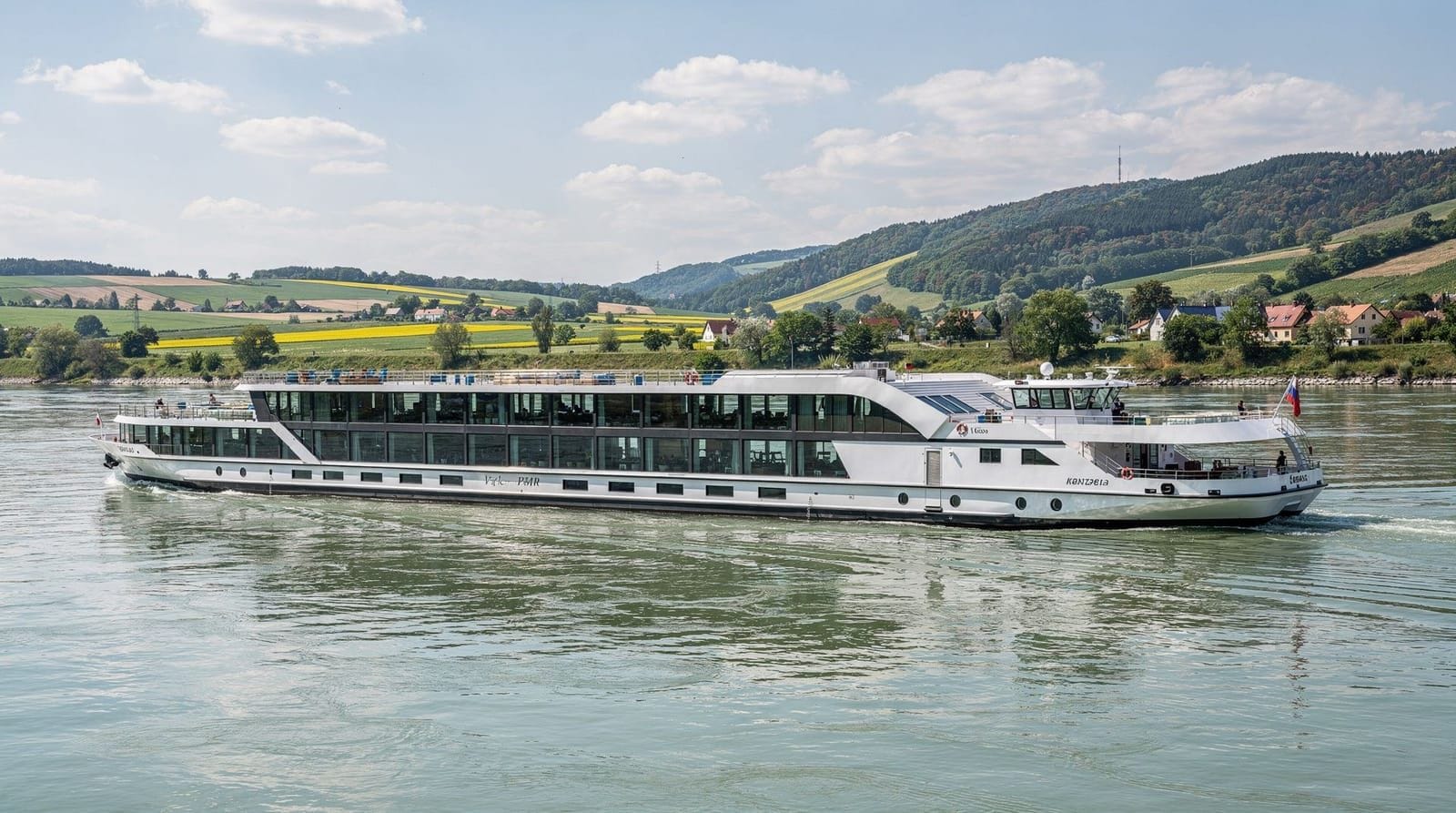
One unusual option is to take the Twin City Liner catamaran from Bratislava to Vienna (seasonal, April–October), then a taxi or rideshare from Vienna’s Schwedenplatz to Schloss Hof. This adds considerably to the cost and complexity, but makes sense if you want to see both Vienna and Schloss Hof in the same day — a long but achievable itinerary given early departure.
The history of Schloss Hof
Prince Eugene of Savoy
Eugene of Savoy (1663–1736) was one of the great paradoxes of the Habsburg world: a French-born prince who applied for a commission in Louis XIV’s army and was rejected (reportedly because the young Eugene was considered too slight and unprepossessing), only to join the Austrian imperial service and become the most successful military commander in Habsburg history. His victories at Zenta (1697), Blenheim (1704, alongside Marlborough), and Belgrade (1717) reshaped the map of Europe and earned him vast personal wealth.
With that wealth, he commissioned two Vienna palaces (the Upper and Lower Belvedere, which you can visit on a Vienna day trip) and then, in 1725, purchased the Hof estate on the March river and commissioned Johann Lukas von Hildebrandt — his preferred architect, who had also designed the Belvedere — to transform the existing manor into a Baroque palace. Hildebrandt redesigned the main building, laid out the formal gardens in seven descending terraces, and created a complex that reflected Eugene’s taste for the theatrical display of power through architecture.
The estate in Eugene’s time was also a working model farm, with an orangery, pleasure gardens, a zoo (one of the first private menageries in Europe), and baroque fountains fed by a sophisticated hydraulic system. Entertaining on an imperial scale was literally built into the design.
Maria Theresa and the imperial summer residence
After Eugene died without heirs in 1736, his estate was sold to Empress Maria Theresa for the relatively modest sum of 500,000 florins. She invested considerably more than that in expanding and transforming Schloss Hof into a suitable imperial retreat.
Maria Theresa commissioned Franz Anton Hillebrandt to extend the palace wings, added a chapel and theatre, expanded the farm buildings into a model agricultural enterprise (the Meierhof, or farm court), and gradually developed the estate into the preferred summer retreat for the imperial family. It was here that Maria Theresa spent time with her sixteen children, away from court ceremony, in a setting that was grand but more private than Schönbrunn. Mozart gave a concert performance for the imperial family at Schloss Hof in 1762, when he was six years old.
The estate passed through various owners after the Habsburg era and was seriously damaged during and after the Second World War, when Soviet troops occupied the buildings and stripped most of the interior. The restoration work carried out from the 1980s onward has been extensive and of high quality — today’s Schloss Hof looks largely as it would have appeared in Maria Theresa’s time, which is a significant achievement given how close to dereliction it came.
GetYourGuideVisit two castles: Červený Kameň & Nitra CastleCheck availability →What to see at Schloss Hof
The main palace and state rooms
The palace itself (Schloss) is open for guided and self-guided tours covering the imperial state rooms and private apartments. The interiors reflect the tastes of the 18th century: painted ceilings, Chinese-lacquer cabinets, early Habsburg portrait collections, and the kind of elaborate marquetry furniture that took skilled craftsmen years to complete. The chapel, added under Maria Theresa, is particularly fine.
An exhibition on the history of the estate covers Eugene’s era, Maria Theresa’s extensions, and the 20th-century damage and restoration. English-language materials are available throughout.
Standard adult entry to Schloss Hof is approximately €16, which includes access to the palace interior, the terraced gardens, and the Meierhof farm area. Children under 6 enter free; ages 7–14 are typically €8. A combined ticket covering all areas plus special exhibitions costs slightly more.
The baroque terraced gardens
The gardens are, for many visitors, the highlight of the estate. Seven terraces descend the hillside from the palace in the style of an Italian Renaissance garden, each tier with its own parterres, fountains, and ornamental plantings. The hydraulic engineering required to maintain the fountain system — which still runs from the same spring sources Eugene originally tapped — is impressive in its own right.
The views from the upper terraces across the March river valley toward Bratislava and the Little Carpathians (Malé Karpaty) are extraordinary on a clear day. The distance to Bratislava castle is about 25 kilometres as the crow flies; you can sometimes make out the castle’s silhouette on the horizon. Sitting on the upper terrace with coffee from the palace café and this view is one of the genuinely good things to do in the region.
Garden entry is included in the standard ticket. In spring (April–May), the garden tulip and iris plantings are at their best. In autumn (September–October), the harvest-related programming in the Meierhof draws family visitors.
The Meierhof (farm court)
The model farm complex built under Maria Theresa is now a combined museum of rural life, interactive agricultural exhibits, and a working farmyard with heritage breeds of cattle, pigs, and poultry. It is orientated partly toward families with children, and the hands-on element — feeding animals, watching craft demonstrations, exploring the old stables and granaries — makes it an excellent option if you are travelling with young children alongside adult interests. There is a farm-themed restaurant here with hearty Austrian countryside cooking.
Seasonal events and programming
Schloss Hof runs a significant programme of seasonal events that can be a reason to plan your visit around a specific weekend. The most popular include:
Spring market (April–May): A traditional craft and artisan market in the Meierhof courtyard, typically running across the Easter weekend and several subsequent weekends, with food, regional produce, and music.
Baroque summer evenings (June–August): Outdoor evening concerts in the terraced gardens, drawing classical music ensembles and occasional operatic performances. These require separate tickets and book up in advance.
Harvest festival (September–October): The apple and pumpkin harvest is celebrated with themed programming in the Meierhof, cooking demonstrations, and extended opening of the farm areas.
Advent market (late November–December): One of the more atmospheric Christmas markets in the Vienna region, set in the palace courtyard with a backdrop of illuminated baroque architecture. Open on weekends in Advent.
Check the Schloss Hof website (schlosshof.at) for the current season’s event calendar before planning your visit — the opening periods and event weekends can vary year to year.
Opening hours and season
Schloss Hof is open from late March or early April through to the end of October, typically Wednesday to Sunday (closed Monday and Tuesday, except during school holidays and event weekends). Hours are generally 10am to 5pm, with last entry at 4:30pm. Extended evening hours apply during summer concert events.
The estate is closed entirely from November to mid-March. There is no winter programme, and the gardens are not maintained for winter access. If you are visiting Bratislava in the winter months, Schloss Hof should not be planned as a day trip; focus instead on Vienna (open year-round) or the winter Christmas markets in Bratislava itself.
Combining Schloss Hof with Carnuntum
The Roman city of Carnuntum, once the capital of the Roman province of Pannonia and home to up to 50,000 people, lies approximately 15 kilometres south of Schloss Hof near the town of Bad Deutsch-Altenburg. The Carnuntum Archaeological Park has undergone major investment in recent years and now features reconstructed Roman buildings (the Diana House and Gladiator’s School are particularly impressive) as well as the extensive ruins of the civilian city and amphitheatres.
The drive from Schloss Hof to Carnuntum takes about 15–20 minutes via local roads. Entry to Carnuntum costs around €15 for adults. Combining both sites makes for a long but well-rounded day: Habsburg baroque in the morning and afternoon, Roman antiquity as a late afternoon addition. Allow 2 hours for Carnuntum minimum; the site is large and the reconstructed buildings are genuinely interesting.
This combination — Schloss Hof and Carnuntum — is sometimes offered as a single organised day tour from Bratislava and is an excellent choice for historically minded visitors.
Practical tips for visiting Schloss Hof
Book your entry in advance. Schloss Hof sells tickets online at schlosshof.at. During popular event weekends (Easter, harvest festival, Advent market) the estate can become significantly crowded; online booking guarantees entry. On regular weekdays in May–September, walk-up is usually fine.
Allow at least 3 hours. A rushed visit covering the palace and gardens takes 2 hours. A relaxed visit with the Meierhof, a coffee at the palace café, and time to sit on the terraces and enjoy the view is more like 4–5 hours. Plan accordingly.
Bring euros. Austria uses the euro; card payments are accepted at the ticket office and restaurants but having some cash for smaller purchases at market events is useful.
Check the café and restaurant. The Schlosshof Café in the main building and the Meierhof restaurant both operate during opening season. They are well above average for museum catering and serve regional Austrian food at moderate prices (€10–18 for a main course). Avoid the estate if you are on a strict budget and cannot spend on entry plus food.
Combine with a Vienna day. If you are renting a car for the day, Schloss Hof in the morning (30 min from Bratislava) followed by an afternoon in Vienna (45 min further west) is a logical combination. Park at a Vienna Park and Ride facility on the city edge and use the U-Bahn for the central area.
Schloss Hof vs other Bratislava day trips
| Trip | Distance | Transport | Best for |
|---|---|---|---|
| Schloss Hof | ~30 km | Car or tour only | Baroque gardens, imperial history, families |
| Devín Castle | ~10 km | Bus 29, no car needed | Castle ruins, Danube views, half-day |
| Vienna day trip | ~60 km | Train, bus, or catamaran | Art, grandeur, a full city day |
| Small Carpathians wine region | ~20–30 km | Car, bus, or wine tour | Wine tasting, countryside |
Schloss Hof stands out on this list because it is the only one that genuinely requires a car or an organised tour — there is no bus or train workaround. If you do not have a car and want a similar Habsburg-era garden experience with easier logistics, the Vienna day trip to Schönbrunn is the practical substitute.
Frequently asked questions about Schloss Hof
Is Schloss Hof worth visiting over a Vienna day trip?
They are different experiences and serve different interests. Vienna is the obvious choice for art, grandeur, and urban energy. Schloss Hof appeals more to visitors interested in Baroque garden design, the texture of 18th-century Habsburg private life, and a less crowded, more contemplative day. The garden and farm combination also makes it better than Vienna for families with younger children.
Do I need an Austrian vignette to drive to Schloss Hof?
Yes. Austrian motorways and expressways require a digital vignette (Autobahnmaut). If you are taking the A4 from Vienna, you will need a vignette; these can be purchased online at asfinag.at before travel. If you cross from Bratislava via Kittsee and take only minor roads (B49 and smaller local routes), you may be able to avoid motorways entirely — check your specific route.
Can I combine Schloss Hof with Devín Castle in one day?
Yes, if you have a car. Both are within 30–40 minutes of Bratislava. Devín Castle is best in the morning when it opens (10am), leaving time to drive across to Schloss Hof for early afternoon. You would need to check that both are open on the same day (Devín is closed Mondays; Schloss Hof is closed Mondays and Tuesdays) and that the timing works for entry hours. A car is essential for this combination.
Is there a direct train or bus from Bratislava to Schloss Hof?
No. There is no direct public transport. The nearest train station (Marchegg on the Bratislava-Vienna line) is about 10 kilometres away with no onward bus. An organised tour or a rental car are the only practical options for visitors without their own transport.
Are dogs allowed at Schloss Hof?
Dogs on leashes are permitted in the terraced gardens and Meierhof courtyard. They are not permitted inside the palace building or the museum interiors.
How does Schloss Hof compare to Devín Castle for visitors without a car?
Devín Castle is the easier choice without a car — it is reachable directly by bus 29 from Bratislava in about 20 minutes. Schloss Hof has no public transport link at all, so without a car your only realistic option is an organised tour. If a car is not available, Devín or the Vienna day trip are more practical.
Why Schloss Hof deserves more attention
The reason most Bratislava visitors have not heard of Schloss Hof is simple: it sits outside the standard tourist circuit. It is not in any city, it has no direct public transport, and it lacks the brand recognition of Schönbrunn or the Belvedere. But these are also the reasons it repays a visit. On a summer Tuesday in July, you can walk the same terraced gardens that Maria Theresa walked with her children and encounter perhaps 200 other visitors rather than 20,000.
The architecture is of genuinely imperial quality. The views are remarkable. And the experience of driving 30 minutes across an open border that was once one of the most fortified frontiers in the world — past the same fields and villages that Cold War refugees risked their lives to cross — carries its own quiet weight.
If you have a car and more than one day in Bratislava, Schloss Hof is close to essential.
tours.day-trips
Verified deep-linked GetYourGuide tours. Book through these links and we earn a small commission at no cost to you.